
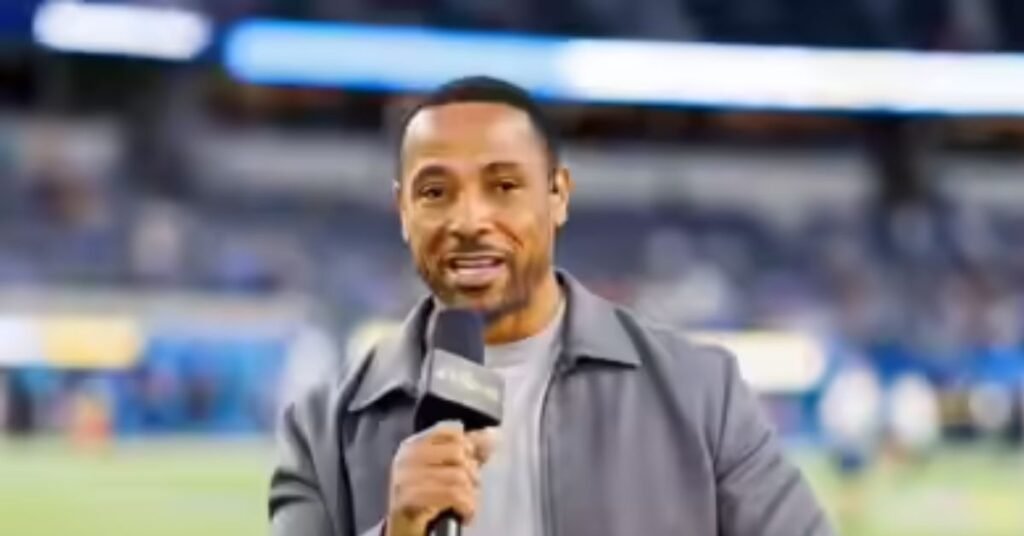
You know that feeling when you’re watching a game, and a former player-turned-analyst tosses out some insight that makes you nod in agreement — thinking, “Yeah, that makes sense.” That’s the kind of vibe you get from Rodney Harrison. But recently, even someone like Rodney reminded us that no matter how polished you seem on screen — you’re still human.
In this post, we’ll walk you through who Rodney Harrison is, his journey from NFL star to prominent TV analyst, why he matters to fans, and what the recent on-air freeze-up teaches us about pressure, rest, and managing public life — with a few life-lessons we can all borrow.
Who Is Rodney Harrison: From Field to Broadcast Booth
Rodney Harrison is a former NFL safety whose career spanned 15 seasons: starting with the San Diego Chargers and finishing with the New England Patriots.
- He was drafted in 1994 (5th round, 145th overall) and quickly made a name for himself.
- By the end of his career, he stood out as the first defensive back in NFL history to record at least 30 sacks and 30 interceptions — a testament to his versatility and impact on defense.
- He also earned multiple accolades: 2× First-Team All-Pro, 2× Pro Bowl, and of course, 2× Super Bowl champion (with the Patriots).
When he retired in 2009, he didn’t drift away from football. Instead, he pivoted to broadcasting — joining NBC Sports as an analyst for its studio show Football Night in America.
Since then, he’s become a familiar voice for many NFL fans, offering analysis based on real experience, not just stats or theory.
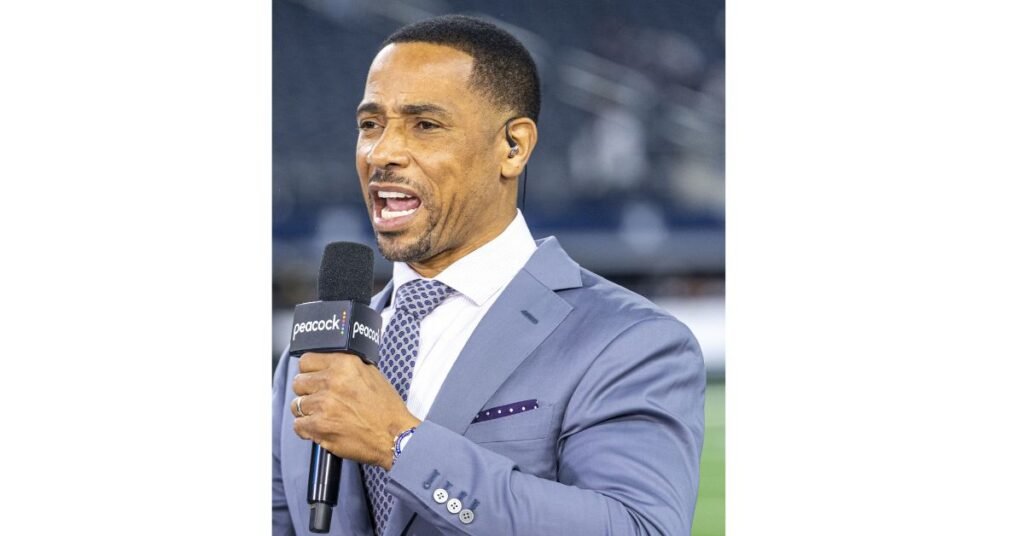
The Recent On-Air Freeze — What Happened?
On the broadcast of the recent Denver Broncos vs Washington Commanders 2025 Season Game during Sunday Night Football, Rodney Harrison startled viewers when he momentarily froze mid-sentence.
Here’s roughly what went down:
- While asked to comment on the Commanders’ defense, Harrison began to respond: “The best way to attack them…” — then paused, appeared to lose his train of thought, stuttered, even apologized, saying “I forgot … I’m sorry.”
- He eventually wrapped up with a short comment and said, “That’s it. I’m sorry, guys.”
The moment was brief, but jarring — especially live on national TV.
Naturally, social media erupted. Some fans worried it looked like a serious health scare — stroke, fainting, extreme exhaustion. One wrote, “I thought he was having a stroke,” another: “They need to pull him aside and help him.”
What Rodney Said — And What We Know
Thankfully, after the show, things got clarified. According to Rodney himself — via a statement to a media outlet — the freeze-up was not a medical emergency: he was simply exhausted. The night before, he reportedly had just three hours of sleep, after spending Saturday night watching his son’s game and then working all day.
NBC and related sources confirmed that he appeared later on the post-game show and was fine.
So — while the moment was alarming, there’s no evidence of a serious health issue. It seemed to have stemmed from fatigue — a cautionary reminder that even pros with years of experience can hit limits.
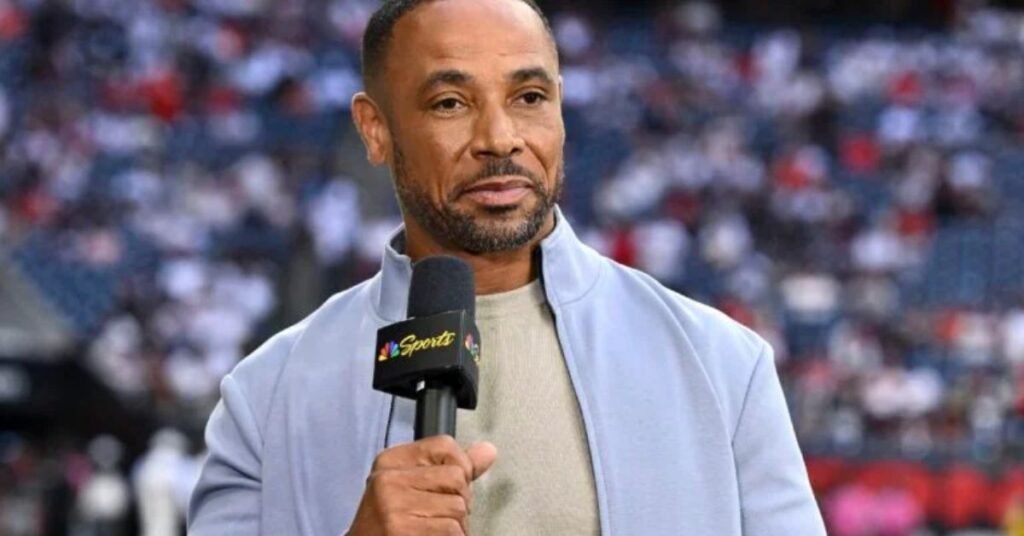
Real-World Takeaways & Why This Matters Beyond Football
So why write a blog post about this moment? Because Rodney’s freeze-up — shocking as it was — offers a few broader life-lessons:
- Even experts can stumble — No matter how skilled or experienced you are, fatigue, pressure, or lack of rest can throw you off.
- Public pressure is real — Live analysis or public-facing work comes with intense scrutiny. One small moment can explode online.
- Health and rest matter — always — Especially when your job demands mental sharpness, rest isn’t optional.
- Transparency helps — Rodney addressed the issue publicly, explaining exhaustion. That calmed many concerns and prevented misinformation.
For regular folks: if you’ve ever pushed too hard — burning the midnight oil — you might relate. When you feel foggy, tired, or burnt out, it’s a signal: slow down, rest, recharge.
Practical Tips for High-Pressure or Live Work (What We Can Learn)
If you’re working in a high-pressure environment (e.g. writing, broadcasting, presentations, public speaking), here’s some guidance — inspired by this incident:
- Prioritize sleep — Try to get at least 7–8 hours before any big work or public appearance.
- Prepare ahead of time — Go into the task well-rested and with clear notes; rehearse if possible so fatigue affects you less.
- Be honest if you need a break — If you feel off, it’s okay to ask for a moment to collect — better than risking a messy public slip-up.
- Stay hydrated and nourished — Lack of food or dehydration adds to fatigue and cognitive fuzziness.
- Use support — Peers, co-hosts, teammates can help carry the moment if you stumble — teamwork matters.
Common mistakes to avoid:
- Skipping rest before important tasks.
- Assuming “you’ve got this” even when you’re mentally spent.
- Ignoring small warning signs — like dizziness, fatigue, brain fog, stress — until it erupts publicly.
Why Rodney Harrison Still Matters in 2025
Rodney Harrison isn’t just a former NFL star — he’s become a go-to voice for analysis, someone many fans rely on to break down games with insight and firsthand perspective.
This freeze-up, while concerning, doesn’t define him — it humanizes him. It reminds us that behind every confident on-air voice is a real person, with real limits.
And as fans or consumers of media, maybe we’ll view such moments with a bit more empathy going forward.
ALSO READ: Vibe Coding: The Art of Building Software by Feel (Yes, Really!)
Frequently Asked Questions (FAQs)
Q: Is Rodney Harrison okay now?
A: Yes. He addressed the incident, saying fatigue caused the lapse. He returned later in the broadcast without trouble.
Q: Has anything like this happened to him before?
A: There’s no widely reported previous incident like this. He has been a consistent on-air analyst for years.
Q: Should fans be concerned about his health?
A: Based on his own statement and follow-up coverage, it seems this was a temporary lapse caused by exhaustion, not a chronic issue. But only he — and his doctors — truly know. As fans, empathy and caution are appropriate.
Q: What can we learn from this incident?
A: Rest matters. Mental and physical well-being matters — especially if your job demands sharpness. And it’s okay to slow down or pause when you need to.
Final Thoughts & Takeaway
Rodney Harrison’s journey — from NFL standout to trusted analyst — shows what dedication, grit, and expertise can achieve. But his recent on-air stumble reminds us: even the best among us can hit a wall.
If you’re juggling work, deadlines, public-facing tasks, or pressure of any kind — take a breath, rest well, and treat yourself like a human being, not a machine. Because at the end of the day, health and clarity matter more than polish.

Hannah Price is a digital journalist who covers breaking news, global events, and trending stories with accuracy and speed. She has previously contributed to several online magazines and has built a reputation for verifying facts before publishing. Hannah believes in responsible reporting and aims to present stories in a way that readers can trust.