

In the rapidly evolving landscape of modern healthcare, the need for integrated, accessible, and specialized services has never been greater. Connect Health stands at the forefront of this transformation, particularly in the United Kingdom, serving as a leading provider of community services and occupational health physiotherapy. By bridging the gap between traditional hospital-based care and convenient local services, Connect Health is redefining how patients access treatment for musculoskeletal (MSK) conditions, chronic pain, and more.
This comprehensive guide delves deep into the ethos, services, and impact of Connect Health. We will explore how their model reduces pressure on the NHS, empowers patients through digital innovation, and provides holistic support for physical and mental well-being. Whether you are a patient seeking relief from back pain, an employer looking for occupational health solutions, or a healthcare professional interested in community-based care models, understanding the role of Connect Health is essential.
What is Connect Health?
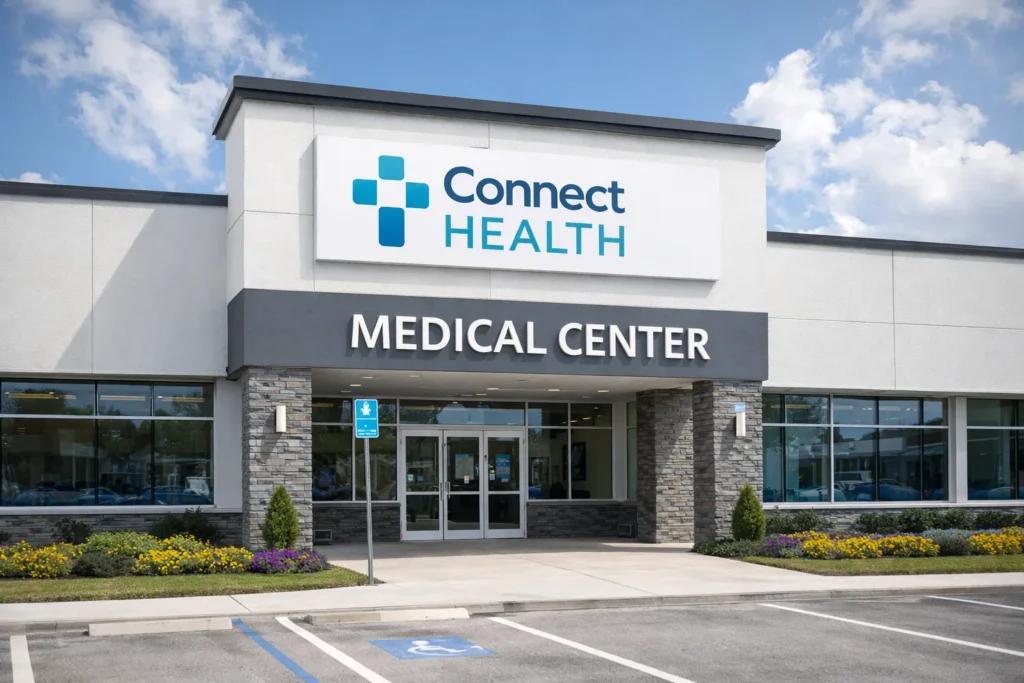
Connect Health is a leading community services healthcare provider specializing in musculoskeletal (MSK) conditions, pain management, and rheumatology. Founded with a mission to improve the quality of care while making it more accessible, the organization has grown to become the largest independent provider of integrated community MSK services in the UK.
The core philosophy revolves around moving care out of overburdened hospitals and into the community. This approach ensures that patients receive the right care, at the right time, in the right place. By operating clinics in local health centers, gyms, and community hubs, Connect Health makes treatment more convenient for patients while significantly reducing waiting times associated with traditional secondary care pathways.
The Mission and Vision
At its heart, the organization aims to empower people to live healthy, active lives. Their vision is to be a catalyst for change in healthcare, demonstrating that high-quality, specialized care can be delivered efficiently outside of a hospital setting. This involves a strong focus on:
- Patient-Centricity: Tailoring treatment plans to individual needs and goals.
- Innovation: Utilizing digital tools and data to improve outcomes.
- Collaboration: Working closely with the NHS and other partners to create a seamless patient journey.
The Scope of Services
Connect Health offers a diverse range of services designed to address the complex needs of patients suffering from physical ailments and chronic conditions. These services are often delivered through NHS contracts, meaning they are free at the point of delivery for patients referred by their GP.
Musculoskeletal (MSK) Physiotherapy
This is the cornerstone of their offering. MSK physiotherapy focuses on injuries and conditions affecting the muscles, joints, and soft tissues.
- Assessment and Diagnosis: Highly trained physiotherapists conduct thorough assessments to identify the root cause of pain or restricted movement.
- Manual Therapy: Hands-on techniques to mobilize joints and soft tissues.
- Rehabilitation: Personalized exercise programs designed to restore strength and function.
- Education: Teaching patients about their condition to prevent recurrence.
Chronic Pain Management
Chronic pain is a debilitating condition that affects millions. Connect Health adopts a bio-psycho-social approach to pain management. This acknowledges that pain is not just a physical sensation but is also influenced by psychological and social factors.
- Pain Clinics: specialized clinics staffed by multidisciplinary teams including psychologists, physiotherapists, and medical doctors.
- Coping Strategies: Helping patients develop tools to manage pain and improve their quality of life, rather than just seeking a “cure” that may not exist.
- Medication Reviews: ensuring patients are on the most appropriate and safe medication regimens.
Rheumatology Services
For patients with autoimmune conditions like rheumatoid arthritis, early diagnosis and management are crucial.
- Community Clinics: Providing specialist care closer to home.
- Long-term Management: Monitoring disease activity and adjusting treatment plans to prevent joint damage and disability.
Occupational Health
Connect Health also partners with businesses to keep their workforce healthy and productive.
- Workplace Assessments: Identifying ergonomic risks in the office or factory floor.
- Return-to-Work Programs: Supporting employees in getting back to work safely after an injury or illness.
- Employee Wellness: Proactive initiatives to prevent MSK issues before they result in absenteeism.
The Digital Health Revolution
One of the key differentiators for Connect Health is its embrace of digital technology. Recognizing that traditional face-to-face appointments are not always necessary or convenient, they have pioneered various digital health solutions.
PhysioNow
“PhysioNow” is a clinically led digital triage tool. It allows patients to assess their symptoms online and be directed to the most appropriate care pathway.
- Efficiency: It reduces the need for initial GP appointments, saving valuable time for both doctors and patients.
- 24/7 Access: Patients can access the tool at any time, providing immediate guidance.
- Safety: The algorithm is designed to flag “red flag” symptoms that require urgent medical attention.
Virtual Consultations
Telehealth has become a standard part of the care model.
- Video and Phone Appointments: Patients can consult with their physiotherapist from the comfort of their own home.
- Remote Monitoring: Clinicians can track a patient’s progress through apps and digital feedback forms.
The Benefits of a Digital-First Approach
By integrating digital tools, Connect Health ensures that resources are used effectively. Patients with minor issues can often manage their recovery with digital guidance and remote support, freeing up face-to-face appointments for those with more complex needs. This hybrid model increases capacity and reduces waiting lists.
Reducing Pressure on the NHS
The National Health Service (NHS) faces unprecedented demand. Connect Health plays a vital strategic role in alleviating some of this pressure.
Shifting Care to the Community
Traditionally, a patient with back pain might see a GP and then wait months for a hospital referral. Connect Health streamlines this by allowing GPs (and in some areas, patients themselves via self-referral) to direct patients straight to community MSK services. This keeps thousands of appointments out of secondary care hospitals, allowing specialists there to focus on surgeries and complex cases.
Cost-Effectiveness
Community-based care is generally more cost-effective than hospital-based care. By delivering high-quality treatment in lower-cost settings, Connect Health delivers value for money for the taxpayer while maintaining clinical standards.
Data-Driven Improvements
The organization collects vast amounts of data on patient outcomes. This data is analyzed to identify trends, measure the effectiveness of treatments, and continuously improve service delivery. This evidence-based approach ensures that resources are targeted where they have the most impact.
The Patient Journey: What to Expect
If you are referred to Connect Health, understanding the process can help alleviate anxiety and ensure you get the most out of your treatment.
Step 1: Referral and Triage
Most patients enter the system via a GP referral or, in some regions, self-referral. Once the referral is received, it is triaged—often using digital tools or clinical review—to determine the urgency and type of care required.
Step 2: Assessment
Your first appointment involves a detailed assessment. The clinician will discuss your medical history, your current symptoms, and your goals. They may ask you to perform certain movements to assess your range of motion and strength.
Step 3: Treatment Plan
Based on the assessment, a tailored treatment plan is created. This is a collaborative process; the clinician works with you, not just on you.
- Goal Setting: Defining what success looks like for you (e.g., being able to walk the dog, return to work, or run a marathon).
- Intervention: This could include exercise classes, manual therapy, pain management education, or referral to a specialist.
Step 4: Self-Management and Discharge
A major goal of physiotherapy is to empower the patient to manage their own condition. You will likely be given exercises to do at home. Once your goals are met or you have the tools to manage your symptoms independently, you will be discharged with advice on prevention.
Focus on Holistic Well-being
Connect Health recognizes that physical health is inextricably linked to mental and social well-being. A painful knee doesn’t just hurt when you walk; it might stop you from socializing, leading to isolation and low mood.
Psychological Support
Pain management programs often include access to psychologists or cognitive behavioral therapy (CBT) techniques. helping patients reframe their thoughts about pain can significantly reduce the suffering associated with it.
Social Prescribing
In some pathways, patients may be connected with community resources—such as walking groups or social clubs—to address isolation and improve overall quality of life. This holistic “whole person” approach leads to more sustainable health outcomes.
Career Opportunities and Professional Development
For healthcare professionals, Connect Health offers a dynamic career path outside of the traditional NHS structure.
The Academy
The organization places a high value on education and training. Their internal “Academy” provides robust training programs for graduates and experienced clinicians alike.
- Clinical Supervision: Regular mentorship ensures high standards and supports professional growth.
- Career Progression: Clear pathways exist for clinicians to move into specialist roles (like Advanced Practice Physiotherapists) or leadership positions.
A Multidisciplinary Environment
Working at Connect Health means working alongside a diverse team. Physiotherapists collaborate with osteopaths, podiatrists, psychologists, and pain specialists. This cross-pollination of knowledge enriches the working environment and improves patient care.
Challenges and Future Outlook
While Connect Health has been successful, the sector faces challenges.
- Workforce Shortages: The global shortage of healthcare professionals affects all providers. Recruitment and retention strategies are critical.
- Rising Demand: An aging population means more people are living with chronic MSK conditions, increasing the demand for services.
Looking ahead, Connect Health continues to invest in AI and machine learning to refine its digital triage tools. They are also expanding their footprint, aiming to bring their community-based model to more regions across the UK. The focus remains on integration—ensuring that community services talk seamlessly to hospitals and GPs to prevent patients from falling through the cracks.
Conclusion
Connect Health represents a vital evolution in how healthcare is delivered. By prioritizing community access, leveraging digital technology, and treating the whole person rather than just the symptom, they are setting a new standard for MSK and pain management services.
For patients, they offer a faster, more convenient route to recovery. For the healthcare system, they provide a sustainable model that reduces pressure on hospitals. As we look to the future of medicine, organizations like Connect Health will play an increasingly pivotal role in keeping our communities healthy, active, and supported.
FAQs About Connect Health
Is Connect Health a private company?
Yes, Connect Health is an independent, private provider of healthcare services. However, the vast majority of their services are delivered on behalf of the NHS, meaning they are free to patients at the point of use. They also offer some private occupational health services to businesses.
Do I need a GP referral to see Connect Health?
It depends on your location. In many areas, Connect Health accepts self-referrals, meaning you can contact them directly without seeing a GP first. In other areas, you may need a referral from your doctor. It is best to check their website or contact your local clinic to confirm the process in your region.
What is the difference between Connect Health and hospital physiotherapy?
The clinical treatment is largely the same—high-quality, evidence-based physiotherapy. The main difference is the setting. Connect Health clinics are located in the community (e.g., local medical centers, gyms), making them often more accessible than traveling to a large hospital.
What is the PhysioNow app?
PhysioNow is a digital tool developed by Connect Health. It allows patients to check their symptoms online and get directed to the right care pathway. It acts as a digital triage system, helping to ensure patients see the right clinician for their specific problem.
Does Connect Health treat conditions other than back pain?
Yes. While back pain is common, they treat a wide range of musculoskeletal conditions affecting any joint or muscle in the body. They also have specialized services for chronic pain management, rheumatology, and occupational health.

Sofia Bennett is a fashion writer and style observer known for her clean sense of aesthetics and trend analysis. She has covered fashion shows, reviewed designer collections, and interviewed independent creators. Sofia specializes in connecting fashion with real-life lifestyle choices, helping readers understand what looks good — and why.





Hey there, I was wondering if you took guest posts on magazineverse.com? If so, how would I go about getting one on your site? If there is a fee, let me know.
Also, if you have any other sites you can get me a post on please list them.
Thanks
Justin
Hello Magazineverse Com,
This is Angie Parsons from Spiegelglass Construction Company. We’re reviewing potential partners for an upcoming Q2 2026 project and wanted to check your availability and interest in receiving more details.
Scope information will be shared once we confirm your interest..
Sincerely,
Angie Parsons
Project Manager
Spiegelglass Construction Company.
Hi there,
I’m Georgia, and I’ve been creating powerful digital solutions for over 8 years as a web designer.
Together with my knowledgeable staff, I am an expert in e-commerce, WordPress, and Shopify development, backed by PPC, social media, and SEO tactics.
Our purpose is to provide quantifiable online growth by coordinating design with business objectives.
Every project we work on is designed to satisfy customer demands and provide outcomes.
I’d be pleased to show you samples of our work and provide adjustable prices to meet your needs.
Thank you
Georgia | Founder & Marketing Director
Toll Free: +1 800 240 2815
http://wa.me/917042524727
Note: – If you’re not Interested in our Services, send us NO.
Your website: magazineverse.com