
If you’ve spent any time in HR, finance, payroll, or workforce operations over the past few years, you’ve probably felt it: systems are getting more complex, not simpler. Employee expectations are higher, compliance pressure is relentless, and leadership wants cleaner data yesterday. Somewhere in the middle of all that, the phrase alight technology keeps coming up in meetings, vendor demos, and strategy decks.
This article exists for a very specific reason. Not to repeat marketing slogans. Not to dump surface-level definitions. But to explain, in plain language, what alight technology actually is, why it matters right now, and how organizations use it successfully in the real world.
If you’re an HR leader trying to modernize benefits administration, a finance professional tired of reconciliation chaos, a CIO evaluating enterprise platforms, or a founder building a people-first company that still needs scale and compliance, this guide is for you.
By the end, you’ll understand how alight technology works, where it delivers genuine value, where it falls short, and how to approach it strategically instead of reactively. Think of this as the kind of article you’d wish you read before sitting through your fifth vendor call.
What Is Alight Technology? From Simple Concept to Enterprise Reality
At its core, alight technology refers to the digital platforms, tools, and services developed and delivered by Alight Solutions to support human capital management, benefits administration, payroll, workforce analytics, and employee experience at scale.
That definition sounds tidy, but it hides the real complexity.
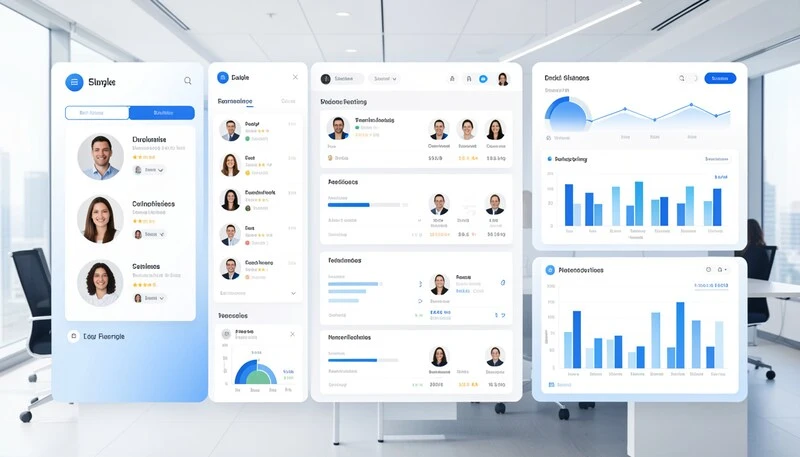
A more useful way to think about alight technology is this: it’s the infrastructure layer that sits between your workforce and the systems that manage them. It connects employees to their pay, benefits, wellbeing tools, and data, while giving organizations the governance, reporting, and compliance controls they need.
For beginners, imagine a single digital front door where employees can:
- Enroll in benefits
- View and manage payroll
- Access retirement plans
- Get HR support
- Understand their total rewards
Behind that door, alight technology integrates with payroll engines, insurers, financial institutions, ERP systems, and compliance frameworks. That’s where things move from “nice interface” to serious enterprise technology.
For experienced operators, the appeal isn’t the UI. It’s orchestration. Alight technology becomes the system that reduces friction between fragmented vendors, regional regulations, and evolving workforce expectations.
The mistake many people make is assuming it’s just another HR tool. In practice, it behaves more like a platform ecosystem with services layered on top. That distinction matters when you’re evaluating cost, implementation effort, and long-term ROI.
Why Alight Technology Matters in Today’s Workforce Landscape
Ten years ago, organizations could get away with clunky HR portals and manual workarounds. Employees tolerated it. Regulators were slower. Data expectations were lower.
That world doesn’t exist anymore.
Alight technology has gained relevance because it addresses several pressures converging at once.
First, the workforce is more distributed and diverse than ever. Remote employees, global teams, contractors, and hybrid models all create complexity. Managing benefits and payroll across regions without a unified system quickly becomes a risk, not just an inconvenience.
Second, employees now expect consumer-grade experiences at work. If they can manage banking, shopping, and healthcare from their phone, they expect the same simplicity from HR systems. Alight technology focuses heavily on experience design because poor UX directly translates into HR tickets, errors, and disengagement.
Third, compliance has become unforgiving. Regulations around data privacy, benefits eligibility, and payroll accuracy are stricter and more visible. One misstep can cost real money and reputation. Alight’s technology stack is built with compliance baked in, not bolted on.
Finally, leadership wants insight, not just administration. Modern organizations need to understand workforce costs, benefits utilization, and engagement patterns. Alight technology turns operational data into decision-support signals instead of static reports.
In short, it matters because the cost of getting this wrong has gone up, while the tolerance for inefficiency has gone down.
Who Benefits Most From Alight Technology (And Who Might Not)
Alight technology isn’t for everyone, and pretending otherwise is where disappointment starts.
Organizations that benefit most tend to share a few characteristics.
Large or mid-sized enterprises with complex benefits structures gain immediate value. If you’re managing multiple plans, vendors, and geographies, consolidation alone can justify the investment.
Companies in highly regulated industries such as healthcare, finance, and manufacturing often adopt alight technology to reduce compliance risk. The platform’s controls and auditability become as important as the employee-facing features.
HR teams under pressure to do more with less also benefit. When administrative work is automated and centralized, HR professionals can focus on strategy, culture, and talent instead of transactions.
That said, smaller startups or lean teams may find alight technology heavier than they need. Implementation requires time, data cleanup, and change management. If your workforce is simple and static, a lightweight HR tool may be more appropriate.
The real-world sweet spot is organizations that have outgrown basic HR software but aren’t ready to build a custom enterprise stack from scratch.
Real-World Use Cases That Show the Value
One of the clearest ways to understand alight technology is to look at how it’s used in practice.
Consider a multinational company struggling with benefits enrollment every year. Different countries, different providers, endless spreadsheets, and a flood of employee questions. By implementing alight technology, they create a unified enrollment experience while maintaining regional compliance. Employees see clarity. HR sees fewer errors. Finance sees predictable costs.
Another example is payroll reconciliation. Many organizations run payroll through one system, benefits deductions through another, and reporting through a third. Alight technology acts as the connective tissue, ensuring data consistency and reducing downstream corrections.
There’s also a growing use case around wellbeing and total rewards communication. Employees often undervalue their compensation simply because they don’t understand it. Alight platforms visualize pay, benefits, and retirement contributions in a way that makes value tangible. That directly impacts retention.
In each case, the benefit isn’t flashy innovation. It’s reduced friction, fewer mistakes, and better-informed decisions.
A Step-by-Step Guide to Implementing Alight Technology Successfully
Implementation is where many good platforms fail, not because the technology is weak, but because expectations are misaligned.
Step one is clarity. Before engaging with alight technology, define what problem you are solving. Is it enrollment chaos, payroll errors, lack of insight, or employee dissatisfaction? Vague goals lead to bloated implementations.
Step two is data readiness. Alight technology relies on clean, structured data. Legacy systems often contain inconsistencies that surface quickly during integration. Investing time in data cleanup upfront saves months later.
Step three is stakeholder alignment. HR, finance, IT, and legal all interact with the platform differently. Successful implementations involve them early, not after decisions are made.
Step four is phased rollout. Trying to activate every feature at once increases risk. Many experienced teams start with core functions like benefits administration, then expand into analytics or wellbeing tools.
Step five is change management. Employees don’t resist technology; they resist confusion. Clear communication, training, and support matter just as much as configuration.
The organizations that see the best results treat alight technology as a long-term capability, not a one-time deployment.
Tools, Modules, and How Alight Compares to Alternatives
Alight technology isn’t a single tool. It’s a suite that includes benefits administration platforms, payroll services, workforce analytics, and employee experience tools.
Compared to lighter HR software, Alight offers deeper compliance support and scalability but requires more setup. Compared to full ERP systems, it’s more people-centric and flexible but less focused on core accounting.
Free or low-cost tools often win on simplicity but struggle with scale. Alight technology sits firmly in the professional category, designed for organizations that need reliability over novelty.
In practice, many companies use alight technology alongside other platforms like Workday or SAP. The key is understanding where Alight adds value versus where another system should remain the source of truth.
Common Mistakes Organizations Make (And How to Avoid Them)
The most common mistake is underestimating implementation effort. Even the best platform can’t fix unclear processes.
Another frequent issue is over-customization. Alight technology is flexible, but bending it too far from standard workflows increases maintenance and reduces upgrade benefits.
Some organizations also fail to measure success. Without clear metrics, it’s hard to justify ongoing investment or identify improvement areas.
Finally, ignoring employee feedback is a missed opportunity. The platform touches daily experiences. Small UX issues compound quickly if left unaddressed.
Avoiding these mistakes requires discipline, not just technology.
The Bigger Picture: Alight Technology as a Strategic Asset
What separates average adopters from successful ones is mindset. When alight technology is treated purely as an HR tool, it delivers incremental gains. When it’s treated as a strategic asset, it reshapes how organizations understand and support their workforce.
The platform’s real power lies in its ability to connect data, experience, and governance. That connection enables smarter decisions, better employee trust, and sustainable growth.
It’s not magic. It’s infrastructure. And in today’s environment, good infrastructure is a competitive advantage.
Conclusion
Alight technology isn’t about chasing trends or ticking a digital transformation box. It’s about solving real, persistent problems in how organizations manage people, pay, and benefits.
For the right organization, implemented thoughtfully, it reduces noise, increases clarity, and frees teams to focus on what actually matters. For the wrong fit, it can feel heavy and unnecessary.
The difference lies in understanding your needs, your readiness, and your long-term goals.
If you’re considering alight technology, take the time to evaluate it honestly. Talk to peers, map your processes, and think beyond the demo. Done right, it becomes less of a system and more of a foundation.
FAQs
What does alight technology actually do?
Alight technology provides platforms and services for benefits administration, payroll, workforce analytics, and employee experience, designed to work at enterprise scale.
Is alight technology only for large companies?
It’s best suited for mid-sized to large organizations with complex workforce needs. Smaller companies may find lighter tools more cost-effective.
How long does it take to implement alight technology?
Implementation timelines vary, but most organizations should expect several months, depending on data complexity and scope.
Can alight technology integrate with existing HR systems?
Yes. It’s commonly used alongside systems like Workday or SAP, acting as an experience and administration layer.
Is alight technology worth the investment?
For organizations facing complexity, compliance pressure, or fragmented systems, the ROI often comes from reduced errors, time savings, and better decision-making.

Adrian Cole is a technology researcher and AI content specialist with more than seven years of experience studying automation, machine learning models, and digital innovation. He has worked with multiple tech startups as a consultant, helping them adopt smarter tools and build data-driven systems. Adrian writes simple, clear, and practical explanations of complex tech topics so readers can easily understand the future of AI.