

The first time I ever understood the emotional weight of a white wedding dress was during an afternoon fitting with my friend Lily. She had brought five gowns into the dressing room none of which were white. She had always said she didn’t “connect” with white dresses. But when her stylist gently encouraged her to try on a simple white chiffon gown with a soft drape and subtle pearl details, something unexpected happened. Lily didn’t gasp. She didn’t cry. She just stared quietly at herself for a long moment and said, “This feels like the beginning of something.” And I swear, everyone in the room felt it too.
That moment intimate and unspoken captured what countless brides experience when choosing their wedding dress. The white wedding dress isn’t simply a piece of clothing. It’s a symbol, a story, a transition from one chapter of life to another. It represents hope, commitment, and a new sense of identity. But beyond symbolism, the white wedding dress has evolved into a fashion statement as unique and expressive as the women who wear it.
In this article, you’ll explore the history, meaning, modern styles, common mistakes, real-world use cases, and everything else you need to know to confidently choose your white wedding dress. Think of this as sitting down with a trusted friend who’s deeply familiar with bridal fashion and wants nothing more than to help you feel radiant on your wedding day.
The Emotional Significance of the White Wedding Dress
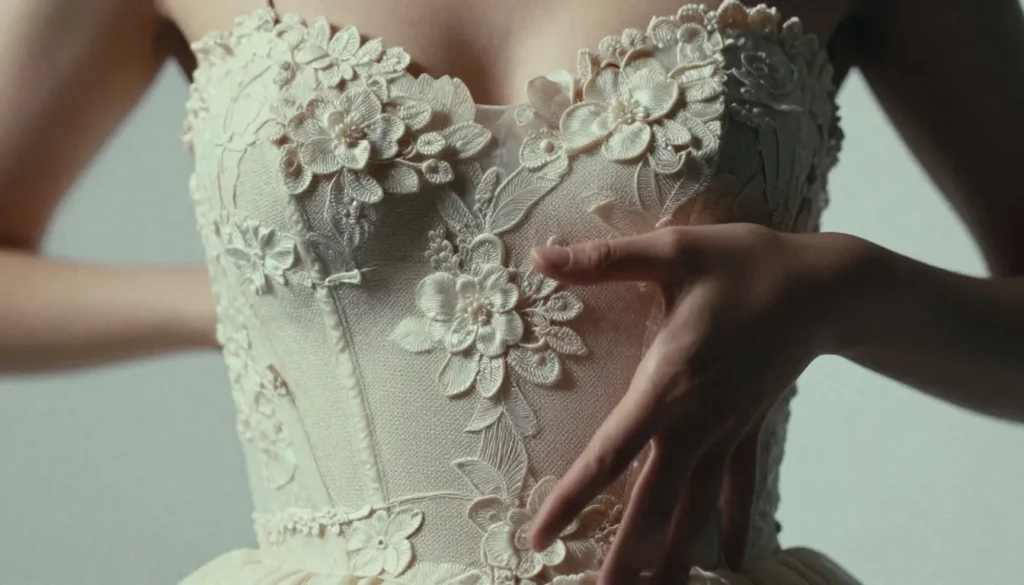
While many people associate white wedding dresses with purity, modesty, or tradition, today’s brides choose white for very different reasons. For some, white represents clarity and simplicity. For others, it symbolizes celebration and joy. And for many modern brides, the symbolism is entirely personal: white is a blank canvas on which they paint their unique love story.
Interestingly, psychology studies show that colors influence emotional perception. White evokes feelings of openness, freshness, and new beginnings exactly the emotions brides often feel on the day they say “I do.”
Even better, white is an endlessly versatile color. It reflects light beautifully, photographs exceptionally well, and complements every venue style from rustic barns to oceanside cliffs to grand ballrooms. This versatility is part of why the white wedding dress remains iconic across cultures and generations.
How the White Wedding Dress Became a Global Fashion Staple
Many people mistakenly believe that brides have always worn white, but that’s far from true. Before Queen Victoria married Prince Albert in 1840 in her now-legendary white satin gown trimmed with orange blossoms, brides wore dresses in whatever color they owned, including deep reds, blues, greens, and even patterns. White was rare, expensive, and impractical.
Victoria’s dress changed everything. It signaled elegance, sophistication, and a new kind of romanticism. But the white wedding dress didn’t explode in popularity until decades later, when photography became more accessible. White, as it turns out, photographs beautifully. Shadows fall softly. Textures show clearly. Detail pops effortlessly.
Today, designers like Vera Wang, Amsale, Berta, Monique Lhuillier, Maggie Sottero, and Pronovias continue redefining what white can look like from sculpted mikado gowns to ethereal tulle masterpieces to minimalist silk slip dresses inspired by runway couture. The white wedding dress has evolved into a global fashion category with endless interpretations.
Starting Your Dress Journey: Understanding Your Vision Before You Shop
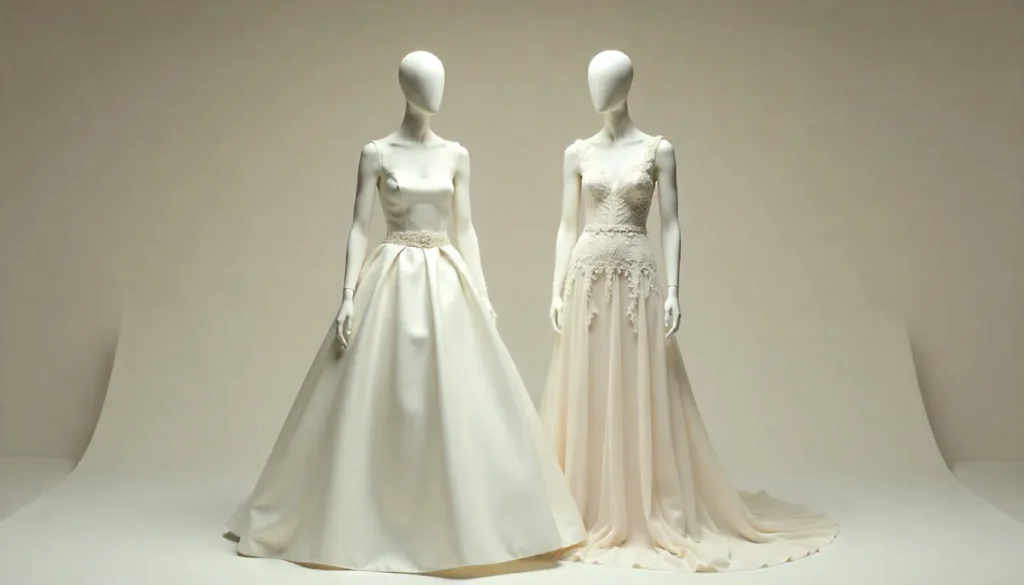
Long before you walk into a bridal boutique, the dress-choosing process begins in your imagination. Many brides start with inspiration boards, scrolling Pinterest late at night or saving Instagram videos from bridal stylists. But inspiration without direction can quickly become overwhelming.
Instead of focusing on specific gowns, start by envisioning how you want to feel. Do you want to feel regal? Effortlessly chic? Romantic and soft? Bold and attention-grabbing? Natural and bohemian? Once you identify the feelings you want to capture, you’ll instinctively narrow your dress options.
You should also consider the physical elements of your wedding. Your venue, season, décor aesthetic, and even your hairstyle can influence which white wedding dress will harmonize with your wedding day. A satin ball gown feels different in a cathedral than it does on a beach. A light chiffon dress behaves differently in winter winds than in a sunlit garden.
Thinking through the atmosphere of your wedding emotionally and physically gives you a powerful head start before you ever try on a gown.
Silhouettes That Shape Your Story
White wedding dresses come in a stunning variety of silhouettes, each offering its own visual impact and emotional energy. The A-line silhouette remains a favorite among brides because of its universally flattering shape and romantic movement. Mermaid and fit-and-flare silhouettes highlight curves and create dramatic red-carpet-worthy moments. Ball gowns evoke fairy tales, grandeur, and timeless elegance, making brides feel instantly transported into their own narrative.
Meanwhile, sheath and slip silhouettes deliver minimalist sophistication. Brides who prefer clean lines, subtle luxury, and understated beauty often gravitate toward these styles. They create a sense of effortless confidence that resonates strongly in modern bridal fashion.
When trying on these silhouettes, pay attention to your posture, movement, and comfort. A dress that restricts your ability to breathe, laugh, or dance will not serve you well, no matter how beautiful it looks. The right silhouette will make you feel held and supported not constrained.
Exploring Fabric: The Heart of Your Dress’s Personality
Fabric determines not only how your gown looks but also how it feels and moves. Satin creates a luxurious, polished appearance with its natural sheen and structure. Mikado, a sister fabric to satin, offers even more architectural shape, ideal for high-fashion bridal looks. Chiffon introduces softness and flow, catching wind and movement gracefully. Crepe offers a modern matte finish beloved for its clean lines and flattering drape. Tulle creates dreamy volume, especially when layered, while lace brings texture, romance, and time-honored beauty.
Many brides underestimate the emotional impact of fabric until they try different dresses on. A gown made of butter-soft silk can feel indulgent and intimate, while a heavily structured dress might make you feel regal and statuesque. Let your senses touch, sight, movement guide you.
The Power of Trying On Dresses: Where Discovery Happens
Almost every bride has a moment during her dress journey when her expectations clash with reality. A dress she thought she’d love doesn’t flatter the way she imagined. A gown she never considered suddenly transforms her reflection in the mirror. These moments are not failures they’re revelations.
Bring an open mind, and try on dresses outside your comfort zone. That mermaid gown might surprise you. That minimalist crepe dress you thought was “too simple” might become the perfect expression of your style. Trust your emotions. If a dress makes you stand taller, breathe deeper, smile wider that’s a sign worth noting.
Also consider how the dress looks in video as well as photos. Our eyes pick up movement differently from still frames, and a dress with beautiful motion can elevate your entire bridal presence.
Finding Your Ideal Shade of White
Choosing the right shade of white is just as important as choosing the right silhouette or fabric. Natural white offers a soft yet bright appearance, while pure white conveys crisp modernity. Ivory with its warm undertone remains the most universally flattering option, especially when paired with lace.
Cream and eggshell offer a vintage feel, reminiscent of old-world romance. Champagne tones, on the other hand, introduce subtle warmth and elegance without straying far from the white family. Blush-infused whites or nude-lined gowns enhance lace motifs and create dimensional texture.
Compare shades in natural light whenever possible. Boutique lighting can distort color, but sunlight reveals undertones with perfect accuracy. You want a shade that complements your skin rather than washes you out or overpowers your natural glow.
Real-Life Scenarios: Choosing White for Your Wedding Theme
Imagine a bride marrying at sunset on a cliff overlooking the coastline. A chiffon A-line gown with a subtle train would catch the wind beautifully, creating effortless motion. In contrast, a structured satin ball gown might feel out of place in such an organic, natural setting.
Think of another bride planning an ultra-glam city rooftop wedding. She may choose a sleek crepe gown with a low back and modern draping its minimalist design allowing the skyline to take center stage.
Then there’s the bride having a winter ceremony in a grand hall. A long-sleeved lace gown with a structured skirt creates warmth and stately elegance that harmonizes with the season.
Matching your dress to your environment doesn’t limit creativity rather, it enhances the harmony of your overall wedding aesthetic.
Accessories That Elevate Your White Wedding Dress
The right accessories can elevate a white wedding dress from beautiful to breathtaking. Veils, for example, come in endless variations from dramatic cathedral lengths to playful fingertip styles to whimsical pearl-studded tulle. Jewelry should complement your neckline; strapless gowns pair well with statement necklaces, while high-neck dresses often shine with earrings alone.
Shoes matter too not just for comfort but for the story they tell. Whether you choose satin heels, embroidered flats, or even white bridal sneakers, your shoes should reflect your personality.
Hair accessories, from crystal pins to silk ribbons to tiaras, add individuality to your look. And don’t forget the bouquet: white dresses often shine brightest when contrasted with lush, colorful blooms or minimalist greenery.
Common Mistakes Brides Make When Choosing a White Wedding Dress
The biggest mistake brides make is rushing the process. A wedding dress is not a fast fashion purchase; it’s a deeply personal investment. Taking your time ensures clarity and confidence.
Another common trap is trying to please too many opinions. Friends and family mean well, but their taste isn’t your taste. A dress that feels authentic to you is far more important than collective approval.
Brides also often forget to consider comfort. As stunning as a gown may be, if the straps dig into your shoulders or the fabric feels stiff, it may distract you on your big day.
A frequent oversight is ignoring alterations. A slightly loose bodice or uneven hem can diminish the polished effect of your dress. Tailoring is not optional it’s transformative.
Finally, choosing a dress based solely on photos or trends can lead to regret. Trends fade. Photos are curated. Your instinct is the most reliable guide you have.
Sustainable White Wedding Dresses: A Growing Love Story
Eco-conscious brides are seeking ethical alternatives to traditional bridal fashion. Dresses made from recycled fabrics, organic fibers, or sustainably sourced materials are becoming increasingly popular. Brands like Reformation and Pure Magnolia lead the movement with gowns that blend environmental responsibility with modern elegance.
Buying pre-loved gowns is another powerful step toward sustainability. Platforms like Stillwhite and Nearly Newlywed give brides access to designer gowns at lower prices with reduced environmental impact. Some brides even choose to restyle their mother’s or grandmother’s gown, adding contemporary touches while preserving family heritage.
A white wedding dress can be beautiful and environmentally responsible those two qualities are no longer mutually exclusive.
After the Wedding: Caring for Your Dress and Preserving Your Memories
Once the celebration ends, your dress becomes a keepsake of one of the most important days of your life. Professional preservation services clean and package the gown using archival materials to prevent discoloration and fabric breakdown. If you intend to pass your dress down or repurpose it, preservation keeps it looking pristine.
Some brides choose creative transformations instead: turning the gown into a christening outfit, a reception dress, home décor accents, or even framed fabric art. A white wedding dress can evolve into something meaningful long after the ceremony.
Conclusion:
No matter what silhouette you choose, what shade of white speaks to you, or what designer catches your eye, your wedding dress should feel like a second skin a symbolic garment that reflects your heart, your story, and your journey into marriage. You don’t need to follow tradition or trend. You only need to follow the quiet voice inside you that says, “This is me.”
When you find the dress that aligns with your emotions, your vision, and your sense of self, everything else falls into place. The white wedding dress is not just a garment; it’s a moment you get to wear.
If you’re ready to begin your search, bookmark your favorite styles, visit a boutique, and trust that the right gown will find its way to you. And if you need help refining ideas, exploring silhouettes, or choosing between shades of white, I’m here to guide you every step of the way.
FAQs
Is it okay to wear white even if my wedding is non-traditional?
Absolutely. White is a blank canvas that fits elopements, courthouse weddings, backyard ceremonies, and destination celebrations beautifully.
What shade of white is the most flattering?
Ivory typically suits most skin tones because of its soft warmth, but natural white and champagne blends are also universally flattering.
How many dresses should I try before deciding?
There’s no set number. Some brides find “the one” in the first three dresses; others may try twenty. Focus on feelings, not numbers.
Do white wedding dresses work for all seasons?
Yes. Lightweight fabrics pair well with spring and summer, while satin and long sleeves complement fall and winter weddings.
Should my dress match my wedding theme?
It doesn’t need to match, but it should harmonize. Your gown should feel like it belongs in the environment you’re creating.

Sofia Bennett is a fashion writer and style observer known for her clean sense of aesthetics and trend analysis. She has covered fashion shows, reviewed designer collections, and interviewed independent creators. Sofia specializes in connecting fashion with real-life lifestyle choices, helping readers understand what looks good — and why.