
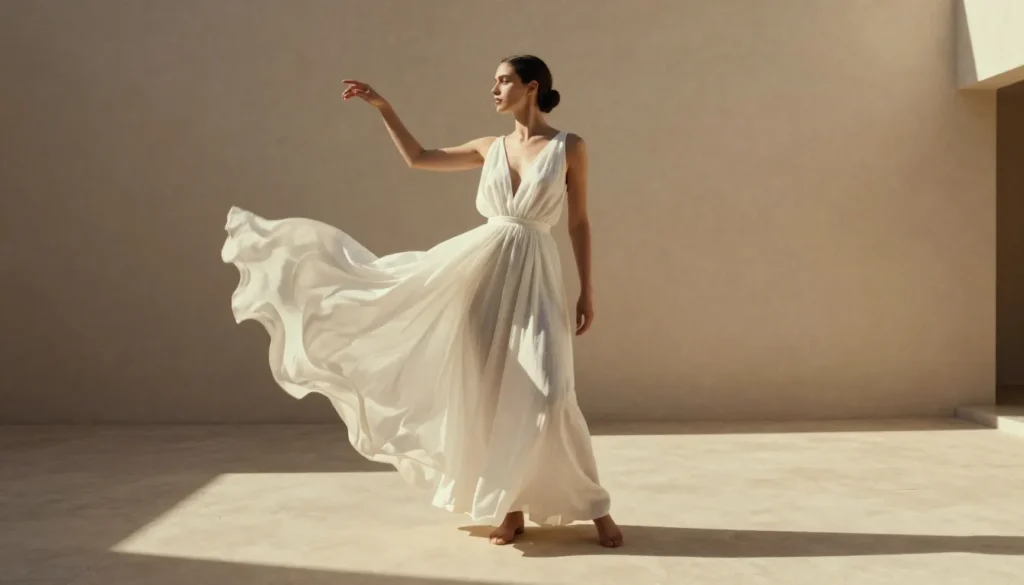
There’s a quiet moment that happens when you put on a white dress. It doesn’t announce itself the way bold colors or dramatic cuts do. There’s no instant “wow” in the mirror at least not at first. But then you take a second look. The fabric moves with you. Your posture changes slightly. You feel calm, polished, and somehow more present.
That’s the power of the white dress.
In a world of fast fashion and fleeting trends, the white dress remains a constant. It shows up in summer wardrobes, bridal collections, office closets, vacation packing lists, and minimalist capsules year after year. It’s worn by women of all ages, across cultures, climates, and lifestyles not because it’s trendy, but because it works.
This article explores why the white dress continues to earn its place as a wardrobe essential, how to choose the right one without confusion, how to wear it confidently in real life, and how to avoid the common mistakes that stop people from enjoying it fully.
The White Dress as a Style Foundation, Not a Trend

Unlike statement pieces that rely on attention, a white dress functions as a foundation. It doesn’t compete with the wearer it supports them.
From a fashion psychology perspective, white communicates clarity, intention, and composure. That’s why it’s frequently used in professions associated with trust and cleanliness, and why designers rely on white to showcase craftsmanship. When color is removed, construction becomes visible. Seams, tailoring, fabric quality, and fit matter more.
Fashion brands understand this well. Designers like The Row, Max Mara, COS, Totême, and Ralph Lauren consistently release white dresses because they endure beyond seasonal palettes. White dresses don’t age the way trendy colors do. A well-made white dress from five years ago often looks just as relevant today.
Rather than being “basic,” a white dress is intentional. It’s a choice to prioritize longevity over novelty.
How White Dresses Adapt to Every Stage of Life
One of the most overlooked qualities of a white dress is how well it evolves with you.
In early adulthood, white dresses often appear as playful sundresses, graduation outfits, or travel looks. They feel carefree and expressive. As lifestyles change, white dresses shift with them becoming more structured, refined, and purpose-driven.
Professionals adopt tailored white dresses for meetings, presentations, and conferences because they communicate confidence without severity. Parents gravitate toward comfortable cotton or jersey styles that feel easy yet put together. Later in life, white dresses are often chosen for milestone celebrations because they feel symbolic, clean, and meaningful.
Few garments manage to stay relevant across decades of personal change. The white dress does exactly that.
Choosing a White Dress Without Regret
Buying a white dress is easy. Buying the right white dress takes intention.
The first consideration should always be usage. Ask yourself where you realistically plan to wear it. A dress meant for everyday use should prioritize comfort, breathability, and ease of care. Structured styles work beautifully for offices and events but may feel restrictive for casual settings.
Fabric selection is critical. Cotton, poplin, linen blends, and ponte knit fabrics tend to be the most forgiving and practical. Satin, silk, and chiffon create elegance but require more care and thoughtful styling.
Opacity deserves special attention. Quality white dresses include lining or thicker weaves to prevent transparency in daylight. Always test your dress in natural light this reveals far more than indoor mirrors.
Fit matters more in white than in any other color. White has no visual distraction. Pulling seams, bunching fabric, or poor proportions are instantly visible. Tailoring, even minimal, can transform how a white dress feels and looks.
Styling the White Dress for Real Life
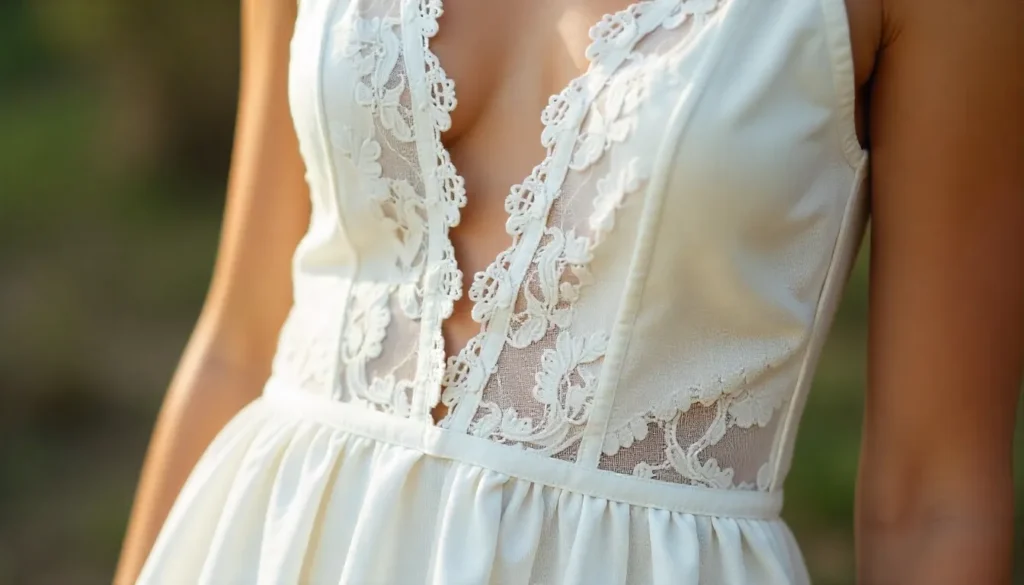
It’s easy to admire perfectly styled white dresses online. Wearing them in real life requires practicality.
For daily wear, simple footwear makes the biggest difference. Neutral sandals, loafers, espadrilles, or clean sneakers keep the look approachable. A crossbody bag or structured tote balances elegance with function.
In professional environments, adding layers creates authority. Blazers, vests, and structured outerwear in neutral shades ground the softness of white. This makes the dress appropriate for meetings and formal settings.
Evening styling benefits from restraint. A white dress paired with one standout accessory statement earrings, a bold cuff, or metallic heels feels intentional without overdoing it.
Seasonal transitions are where white dresses truly shine. In cooler months, layering with knits, tights, boots, and coats adds texture and contrast. The white dress becomes the anchor that keeps the outfit light and refined.
Why White Dresses Are a Favorite Among Stylists and Creators
Stylists love white dresses because they create balance. They don’t overpower the wearer, which makes them ideal for photo shoots, branding, and public appearances.
From a visual standpoint, white reflects light, creating cleaner photos and softer contrasts. This is why influencers, entrepreneurs, and creatives often wear white dresses for headshots, lifestyle content, and brand campaigns.
White also adapts seamlessly to different aesthetics minimal, bohemian, classic, romantic, or modern. One dress can support multiple identities simply by changing how it’s styled.
The Emotional Side of Wearing White
Clothing affects how we feel more than we realize. White dresses often evoke a sense of renewal like starting over without erasing who you are.
Many people describe feeling calmer, lighter, or more grounded when wearing white. The absence of color can quiet mental noise. On days when everything feels chaotic, a white dress simplifies decisions and creates emotional ease.
This emotional impact is subtle but powerful. It’s one reason people return to white dresses again and again even if they own many other options.
How to Care for a White Dress So It Lasts Years
The fear of stains stops many people from enjoying white clothing. But proper care removes much of that anxiety.
Wash white dresses separately using cold water and mild detergent formulated for light fabrics. Avoid excessive bleach, which can weaken fibers and cause yellowing over time.
Air drying is ideal for maintaining brightness and fabric integrity. When storing, keep white dresses away from direct sunlight and use breathable garment covers.
Stain treatment works best when immediate. A small stain remover pen in your bag can save a dress before damage sets in. With consistent care, white dresses often outlast trend-driven colored pieces.
Common Mistakes That Make White Dresses Feel “Hard to Wear”
Most issues people experience with white dresses come down to small details.
Wearing the wrong undergarments is the most common mistake. Bright or dark underwear becomes visible under white fabric. Nude tones that match your skin blend best.
Another frequent issue is over-accessorizing. White already makes a statement. Too many colors, textures, or bold accessories can overwhelm the look.
Choosing trendy cuts over flattering ones also leads to disappointment. Because white emphasizes structure, timeless silhouettes usually outperform experimental designs.
Avoid saving your white dress for “special occasions only.” The more you wear it, the more natural and confident you’ll feel in it.
White Dress vs Patterned Dress: A Practical Comparison
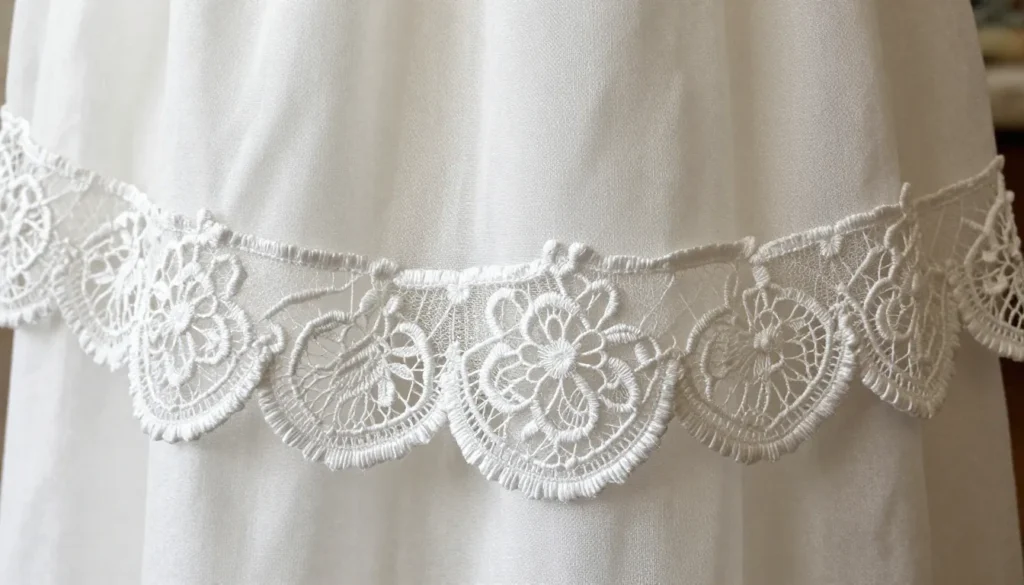
Patterned dresses offer personality and instant visual interest, but they limit versatility. They often feel tied to specific seasons or moods.
A white dress, on the other hand, works as a base. It allows you to express personality through styling rather than print. This adaptability makes it more cost-effective and easier to rewear without feeling repetitive.
Both have their place but when simplicity, longevity, and flexibility matter, white wins.
Who Benefits Most from Owning a White Dress?
The answer is simple: anyone who wants fewer wardrobe decisions and more outfit confidence.
Minimalists love white dresses for their clarity. Busy professionals appreciate how quickly they create polished looks. Travelers rely on them for versatility. Creatives use them as visual anchors.
White dresses don’t demand a certain body type, age, or personality. They meet you where you are.
Final Thoughts: The Quiet Strength of the White Dress
The white dress isn’t loud, trendy, or attention-seeking. And that’s exactly why it works.
It gives you space to show up as yourself without distraction. It simplifies your wardrobe while expanding your styling options. It offers elegance without effort and confidence without performance.
In an age of excess, choosing a white dress is a return to intention.
If you don’t own one yet, start with a style that fits your everyday life. Wear it often. Let it become familiar. Over time, you may realize it’s not just an outfit it’s one of the most dependable pieces you own.
Frequently Asked Questions
Is a white dress suitable for everyday wear?
Yes. With the right fabric and fit, white dresses are practical, comfortable, and versatile for daily use.
Do white dresses suit all skin tones?
Absolutely. Variations like ivory, soft white, and warm white complement different undertones beautifully.
How can I make a white dress look more formal?
Structured tailoring, sleek accessories, and polished footwear instantly elevate the look.
Are white dresses difficult to maintain?
Not with proper care. Modern fabrics and gentle cleaning routines make maintenance manageable.

Sofia Bennett is a fashion writer and style observer known for her clean sense of aesthetics and trend analysis. She has covered fashion shows, reviewed designer collections, and interviewed independent creators. Sofia specializes in connecting fashion with real-life lifestyle choices, helping readers understand what looks good — and why.