A gala invitation has a way of stopping time for a second. You read it once for excitement, then again with curiosity, and finally a third time with a rising question in your mind: What am I actually supposed to wear? Galas occupy a unique space in our social lives. They’re formal, but not always rigid. Glamorous, but still grounded in real people attending real events for meaningful reasons. And while the images we associate with galas often come from red carpets and celebrity culture, most galas are far more approachable than they appear—if you know how to dress for them.
This guide is written for real life, not fantasy wardrobes. It’s for someone attending a charity fundraiser, an industry awards night, a museum benefit, or a corporate gala who wants to look elegant, appropriate, and confident without feeling uncomfortable or overdone. By the end of this article, you’ll understand how gala dress codes work, how to choose an outfit that fits both your body and the event, and how to avoid the most common mistakes people make when dressing for formal occasions.
Understanding the True Purpose of Gala Attire
Before we dive into fabrics and silhouettes, it helps to understand why galas have dress codes in the first place. A gala is usually tied to a cause, institution, or milestone. Whether it’s a charity fundraiser, a cultural celebration, or a formal dinner, the elevated dress code helps set the tone. Dressing well isn’t about showing off—it’s about honoring the event and contributing to the atmosphere the hosts intended.
That’s why a gala feels different from a wedding or a cocktail party. There’s an expectation of refinement and intention. When everyone dresses with the same level of formality in mind, the event feels cohesive and special. Your outfit becomes part of that shared experience.
Dress Codes Explained in Plain Language
One of the biggest sources of anxiety around what to wear to a gala is the dress code terminology. These phrases sound intimidating, but once you break them down, they’re surprisingly logical.
Black tie is the most common gala dress code and the one most people associate with formal events. For women, this typically means a floor-length evening gown made from a luxurious fabric like silk, satin, velvet, or chiffon. While modern fashion has expanded the rules slightly, a long gown remains the safest and most universally accepted choice. For men, black tie requires a tuxedo with a formal shirt and bow tie. It’s classic, polished, and timeless for a reason.
Black tie optional signals that the event is still formal, but there’s flexibility. Women can wear a gown or a very elevated cocktail or midi dress. Men can choose between a tuxedo and a dark, well-tailored suit. This dress code is common at charity galas and corporate fundraisers where hosts want elegance without making guests feel pressured.
Creative black tie keeps the foundation of formality but invites personality. This is where you’ll see bold colors, interesting textures, dramatic silhouettes, and statement accessories. Fashion-forward galas, art benefits, and themed events often use this dress code. The key is remembering that “creative” doesn’t mean casual—it means expressive within a formal framework.
White tie is the most formal dress code you’ll ever encounter and is quite rare. It’s reserved for state dinners, royal events, and elite occasions like certain moments of the Met Gala. For women, this means a full ball gown, often paired with opera gloves and fine jewelry. For men, white tie requires a tailcoat, white waistcoat, and white bow tie. If you ever receive a white tie invitation, tradition matters more than trends.
Choosing the Right Outfit for Your Body and Lifestyle

Once you understand the dress code, the next step is choosing an outfit that works for you. Gala dressing shouldn’t feel like wearing a costume. The goal is to look elevated while still feeling like yourself.
Silhouette plays a major role in both comfort and confidence. A-line gowns are a favorite because they define the waist and flow gently over the body, making them flattering and forgiving. Column or sheath dresses create a sleek, modern look and are ideal for those who prefer minimalism. Ball gowns are dramatic and unforgettable, perfect for very formal galas where grandeur is expected. Mermaid and trumpet styles hug the body and flare at the hem, creating a glamorous red-carpet effect.
Fabric choice is equally important. Eveningwear is defined by its materials. Silk and satin reflect light beautifully in formal settings. Velvet adds richness and warmth, making it ideal for winter galas. Chiffon and organza offer movement and softness, especially for spring and summer events. Casual fabrics like cotton, linen, or jersey rarely belong at a gala, even if the cut looks formal.
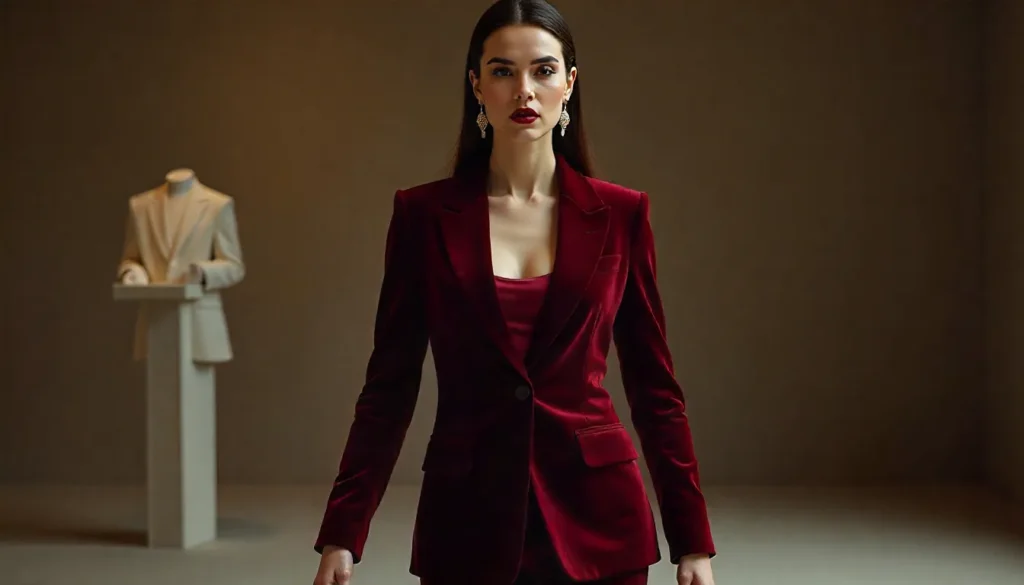
Color influences how formal an outfit feels. Black is always appropriate and endlessly chic. Jewel tones like emerald, sapphire, and burgundy photograph beautifully and feel luxurious. Metallics add drama and celebration. Pastels can work for daytime or warm-weather galas when styled with care.
Modern Alternatives That Still Feel Formal
While gowns remain the traditional choice, modern gala attire has evolved to include alternatives that feel just as elegant when done correctly.
Formal jumpsuits have become increasingly popular, especially for black tie optional and creative black tie events. The key is choosing a design with wide legs, a structured bodice, and a luxurious fabric. When styled with statement heels and refined accessories, a jumpsuit can look just as polished as a gown.
Tailored tuxedo suits for women offer another powerful option. Inspired by designers like Yves Saint Laurent, the women’s tuxedo blends structure with femininity. Impeccable tailoring is essential here. A well-fitted jacket and perfectly hemmed trousers elevate the look instantly.
Accessories That Elevate Without Overwhelming
Accessories are often where people make or break a gala outfit. The goal is harmony, not excess.
Evening bags should be small and elegant. A clutch or minaudière in satin, velvet, metal, or crystal is ideal. It should hold only essentials, which keeps the look refined and uncluttered.
Shoes are both a style and comfort decision. Heels are traditional because they improve posture and the way formalwear drapes, but they should never be painful. A lower heel or block heel can be just as elegant if it allows you to move comfortably. Embellished flats can work when heels aren’t an option, but they should look intentional and formal.
Jewelry should complement your outfit rather than compete with it. If your dress has a dramatic neckline or detailing, simpler jewelry often looks best. If your outfit is minimalist, a statement necklace or earrings can provide balance. Fine jewelry is ideal, but high-quality costume pieces can look equally stunning.
Outerwear matters more than most people realize. A tailored coat, elegant wrap, or faux fur stole keeps you warm without detracting from your outfit. Casual jackets can undermine an otherwise flawless look.
Hair and Makeup That Match the Occasion
Gala beauty is about polish and longevity. Hairstyles like low chignons, classic updos, or smooth waves complement formal attire beautifully. Even modern styles like sleek ponytails can work if they’re intentional and refined.
Makeup typically leans more dramatic than daytime looks, but balance is key. Glowing skin, defined eyes, or a bold lip can all work, as long as the overall look feels cohesive. Long-wear products help ensure your makeup lasts through dinner, speeches, and dancing.
Seasonal and Venue Considerations

Context matters when deciding what to wear to a gala. Winter galas invite heavier fabrics, deeper colors, and long sleeves. Summer galas benefit from lighter materials, breathable designs, and softer palettes. Outdoor venues may require practical choices like sturdier heels or additional layers.
The venue itself also provides clues. A historic ballroom often calls for classic elegance, while a modern art space might welcome more experimental fashion. Observing the setting helps fine-tune your outfit without breaking dress code expectations.
Renting vs. Buying: Making Smart Choices
Formalwear can be expensive, which is why many people turn to rental services like Rent the Runway. Renting allows you to wear designer pieces for a fraction of the cost, experiment with styles, and avoid closet clutter. It’s also a more sustainable option.
Buying makes sense if you attend galas regularly or want a timeless piece you can rewear. A classic black gown or a beautifully tailored suit can serve you for years when styled thoughtfully.
Common Mistakes to Avoid
One of the most common mistakes is underdressing. A dress that works for a cocktail party may not be formal enough for a gala. Another issue is poor fit. Even the most expensive outfit looks wrong if it doesn’t fit properly, which is why tailoring is often worth the investment.
Over-accessorizing is another pitfall. When everything is a statement, nothing stands out. Simplicity often reads as confidence in formal settings.
Conclusion:
Understanding what to wear to a gala isn’t about following rigid rules—it’s about making thoughtful choices. When you respect the dress code, choose quality fabrics, pay attention to fit, and style with intention, you create a look that feels both elegant and authentic.
A gala is an opportunity to step into a more polished version of everyday life. When your outfit supports that experience rather than distracting from it, you’re free to enjoy the evening fully. Confidence, comfort, and intention will always matter more than trends.
Frequently Asked Questions (FAQs)
Can I wear the same gala outfit more than once?
Yes. Rewearing formalwear is practical and stylish. Changing accessories, shoes, or styling can make the outfit feel fresh each time.
Is it okay to wear white to a gala?
In most cases, yes. The main exception is a gala connected to a wedding, where guests should avoid white, ivory, or cream.
Are pants acceptable for a gala?
They can be, as long as they’re part of a formal outfit like a tailored tuxedo suit or evening jumpsuit made from luxurious fabric.
How far in advance should I plan my outfit?
Ideally, two to four weeks in advance. This allows time for shopping, alterations, and coordinating accessories without stress.
Do I need designer clothing to look appropriate?
No. Fit, fabric, and styling matter far more than brand names. Well-chosen high-street or rental pieces can look just as elegant.
What matters most when choosing a gala outfit?
Appropriateness, fit, and confidence. When those align, your outfit will always look right.

Sofia Bennett is a fashion writer and style observer known for her clean sense of aesthetics and trend analysis. She has covered fashion shows, reviewed designer collections, and interviewed independent creators. Sofia specializes in connecting fashion with real-life lifestyle choices, helping readers understand what looks good — and why.