
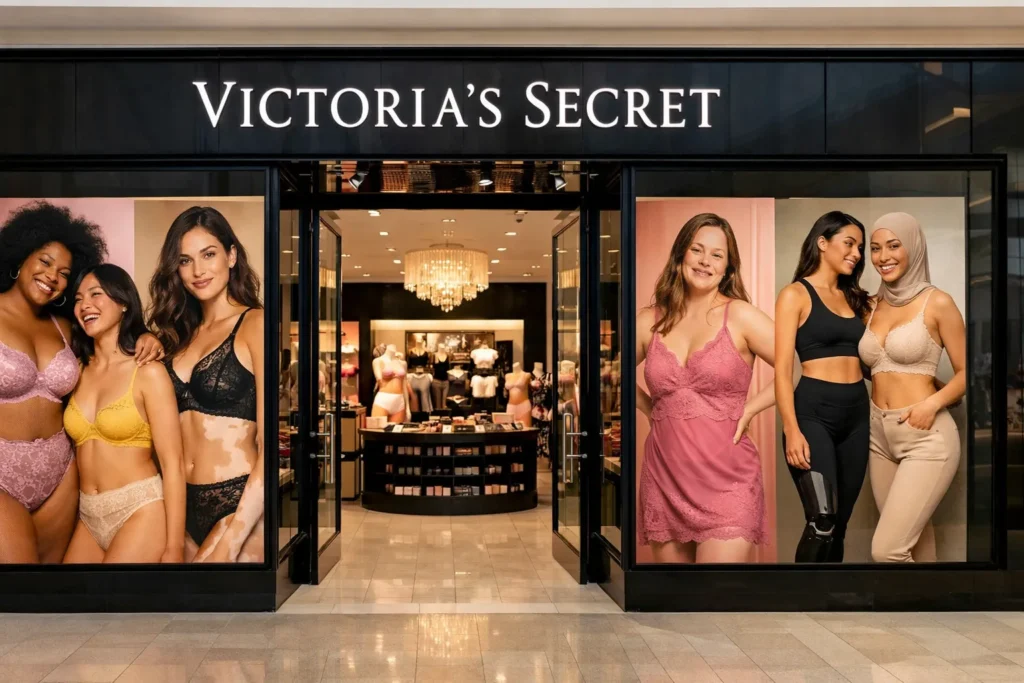
Few retail brands have captured the public imagination quite like Victoria’s Secret. For decades, the name was synonymous with mall culture, televised runway extravaganzas, and a very specific definition of glamour. However, consumer preferences shift, and cultural conversations evolve. To survive, legacy brands must adapt to the changing tide.
This post explores the fascinating journey of this lingerie giant. We will look at its early founding, the cultural dominance of the “Angel” era, and the sweeping rebrand that redefined its mission. You will also find a breakdown of their current product lines and practical tips for navigating their famous sales.
The History of a Lingerie Giant
Understanding the brand’s current identity requires a look back at its origins. The company began not as a global empire, but as a solution to an awkward shopping experience.
Roy Raymond’s Original Vision
In 1977, an American businessman named Roy Raymond felt uncomfortable shopping for lingerie for his wife in a traditional department store. He found the environments sterile and the designs uninspired. Raymond envisioned a store that felt like a Victorian boudoir—elegant, comfortable, and inviting.
He opened the first store in Palo Alto, California. The concept was a hit. The stores featured wood-paneled walls, floral prints, and helpful staff. By the early 1980s, the company had expanded to several stores and launched a highly successful mail-order catalog.
The Acquisition and Global Expansion
Despite early success, the company faced financial difficulties. In 1982, Raymond sold the business to Les Wexner, the founder of L Brands. Wexner drastically shifted the company’s direction. He focused on making luxury accessible to the mass market.
Wexner transformed the store aesthetics, moving away from the Victorian theme toward a more modern, glamorous European feel. This pivot proved massively successful. Throughout the 1990s and 2000s, the company expanded into nearly every major shopping mall in America.
The Era of the Angels
You cannot discuss this brand without mentioning its most famous marketing tool: the fashion show. For nearly two decades, this annual televised event was a massive pop culture moment.
The Television Spectacle
The first broadcast aired in 2001. It featured elaborate sets, musical performances by top-charting artists, and the world’s highest-paid models. These models, contracted specifically to represent the brand, became known as “Angels.”
- Cultural Impact: The show dictated beauty standards and lingerie trends for a generation of women.
- The Fantasy Bra: Each year, the brand debuted a multi-million dollar “Fantasy Bra” encrusted with diamonds and precious gemstones, serving as the centerpiece of the collection.
The Need for Change
While the runway shows generated massive hype, the retail landscape began to change around 2015. Consumers started demanding more from the brands they supported.
Shifting Consumer Demands
A new generation of shoppers prioritized comfort, inclusivity, and body positivity. Competitors emerged, offering wide size ranges, diverse marketing campaigns, and practical everyday underwear. The highly curated, single-faceted standard of beauty promoted by the legacy brand began to feel disconnected from reality.
Sales dropped, and television ratings for the annual fashion show plummeted. The company realized that relying on a dated marketing playbook was no longer viable. They needed a complete cultural reset.
The Modern Rebrand: Enter the VS Collective
In 2021, the company announced a massive overhaul of its brand identity. They retired the “Angel” title and canceled the traditional runway show. In its place, they introduced a new initiative focused on what women actually want and need.
Redefining the Brand Ambassadors
The company launched the VS Collective, a group of accomplished women chosen for their achievements rather than just their physical appearance. This group included athletes, activists, entrepreneurs, and artists.
The goal of this collective is to advise the brand, appear in marketing campaigns, and help create products that cater to a diverse range of body types and life experiences.
A Focus on Comfort and Fit
The product design strategy also shifted. While lace and silk remain staples, the brand heavily expanded its focus on everyday comfort.
- Maternity Wear: Introducing nursing bras and comfortable apparel for new mothers.
- Mastectomy Bras: Designing specialized intimate apparel for breast cancer survivors.
- Expanded Sizing: Increasing the range of cup and band sizes to accommodate more body shapes.
Exploring the Core Product Lines
Today, the brand offers much more than just lingerie. Their retail footprint includes several distinct product categories designed for different aspects of a woman’s life.
Intimates and Sleepwear
This remains the core of the business. The brand offers an enormous variety of bra styles, from unlined bralettes and wireless comfort bras to traditional push-ups and sports bras. Their sleepwear ranges from cozy flannel pajama sets to luxurious silk slips.
Victoria’s Secret Pink
Launched in 2002, Pink targets a younger demographic, specifically high school and college-aged shoppers.
- Lounge Apparel: Sweatsuits, leggings, and oversized t-shirts.
- Everyday Basics: Simple cotton underwear and comfortable bralettes.
- Collegiate Collections: Co-branded apparel featuring logos from major universities.
Beauty and Fine Fragrance
The beauty division is a massive revenue driver. The brand is famous for its award-winning fine fragrances like “Bombshell” and “Tease.” Beyond perfumes, they offer a wide array of scented body lotions, mists, and lip glosses.
How to Shop the Semi-Annual Sale
For savvy shoppers, the brand is famous for its massive clearance events. The Semi-Annual Sale happens twice a year and offers deep discounts on almost every product category.
Timing Your Purchases
The sales typically occur in:
- June: Clearing out spring and summer inventory.
- December/January: Moving winter and holiday merchandise.
Expert Shopping Tips
- Know Your Size: Get professionally fitted in-store before the sale begins so you can shop quickly online or in person.
- Stock Up on Basics: Use the deep discounts to replace everyday items like cotton panties and solid-colored t-shirt bras.
- Check the Beauty Bins: Body mists and lotions are often marked down to a fraction of their original price, making them perfect for stocking stuffers or gifts.
Conclusion
Victoria’s Secret has navigated one of the most highly publicized brand evolutions in modern retail history. By listening to consumer feedback and embracing a more inclusive, comfort-driven ethos, they are working to secure their place in the future of fashion. Whether you are shopping for a luxurious gift, a reliable everyday bra, or a signature fragrance, understanding the brand’s diverse offerings helps you make the most of your retail experience.
Frequently Asked Questions (FAQs)
What is the VS Collective?
The VS Collective is a group of diverse, accomplished women—including athletes, activists, and artists—who replaced the traditional “Angels.” They serve as brand ambassadors and advise on product development to promote inclusivity.
When does the Semi-Annual Sale happen?
The sale typically happens twice a year. The summer sale usually begins in June, and the winter sale kicks off right after Christmas in late December.
Does the brand offer professional bra fittings?
Yes. You can visit almost any physical retail location for a free, professional bra fitting by a trained associate. They also offer measurement guides online.
What is the difference between the main brand and Pink?
The main brand focuses on a wide range of lingerie, sleepwear, and fine fragrances for adult women. Pink is geared toward a younger demographic, focusing on loungewear, collegiate apparel, and casual everyday basics.
Do they sell maternity or post-surgery bras?
Yes. As part of their rebranding and commitment to all women, they have expanded their lines to include nursing bras for new mothers and specialized mastectomy bras for breast cancer survivors.

Sofia Bennett is a fashion writer and style observer known for her clean sense of aesthetics and trend analysis. She has covered fashion shows, reviewed designer collections, and interviewed independent creators. Sofia specializes in connecting fashion with real-life lifestyle choices, helping readers understand what looks good — and why.