
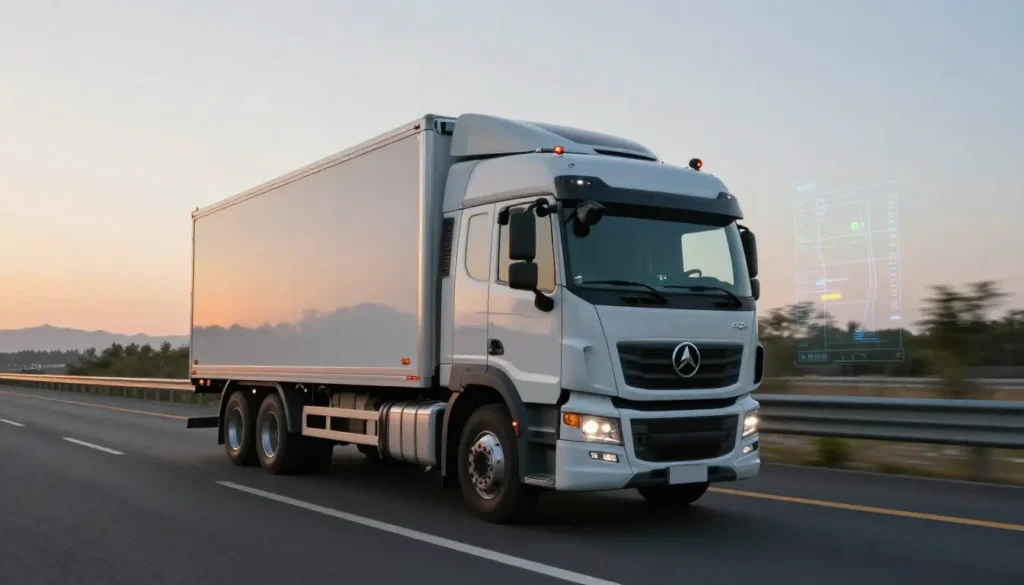
If you’ve ever spent time around a truck stop at dawn, you know trucking has always been about grit, timing, and trust. Drivers trust their rigs. Shippers trust carriers. Fleets trust experience. But over the last decade, something fundamental has changed. Screens replaced clipboards. Sensors replaced gut instinct. Algorithms now make decisions that once lived only in a dispatcher’s head. This shift—technology in trucking—isn’t a buzzword or a future promise. It’s already reshaping how freight moves, how drivers work, and how businesses compete.
Why does this matter? Because trucking still moves roughly 70% of freight by weight in many economies. When technology improves efficiency by even a few percentage points, the ripple effects touch fuel costs, delivery times, driver safety, emissions, and customer expectations. For fleet owners, it can be the difference between profit and loss. For drivers, it can mean safer roads and more predictable schedules. For shippers, it means visibility and reliability they never had before.
In this guide, I’ll walk you through trucking technology the way someone in the industry would explain it over coffee—no hype, no jargon for the sake of jargon. You’ll learn what these systems actually do, where they help (and where they don’t), how fleets adopt them step by step, and what mistakes to avoid. Whether you’re a fleet manager, an owner-operator, a logistics professional, or just curious about how freight is evolving, this is your complete, practical roadmap.
Technology in Trucking Explained (From the Ground Up)
At its core, technology in trucking is about replacing guesswork with data and friction with flow. Think of a traditional trucking operation like navigating with a paper map and handwritten notes. You can get where you’re going, but it takes experience, patience, and a lot of margin for error. Modern trucking tech is the GPS, traffic app, and trip computer all rolled into one—constantly updating, learning, and optimizing.
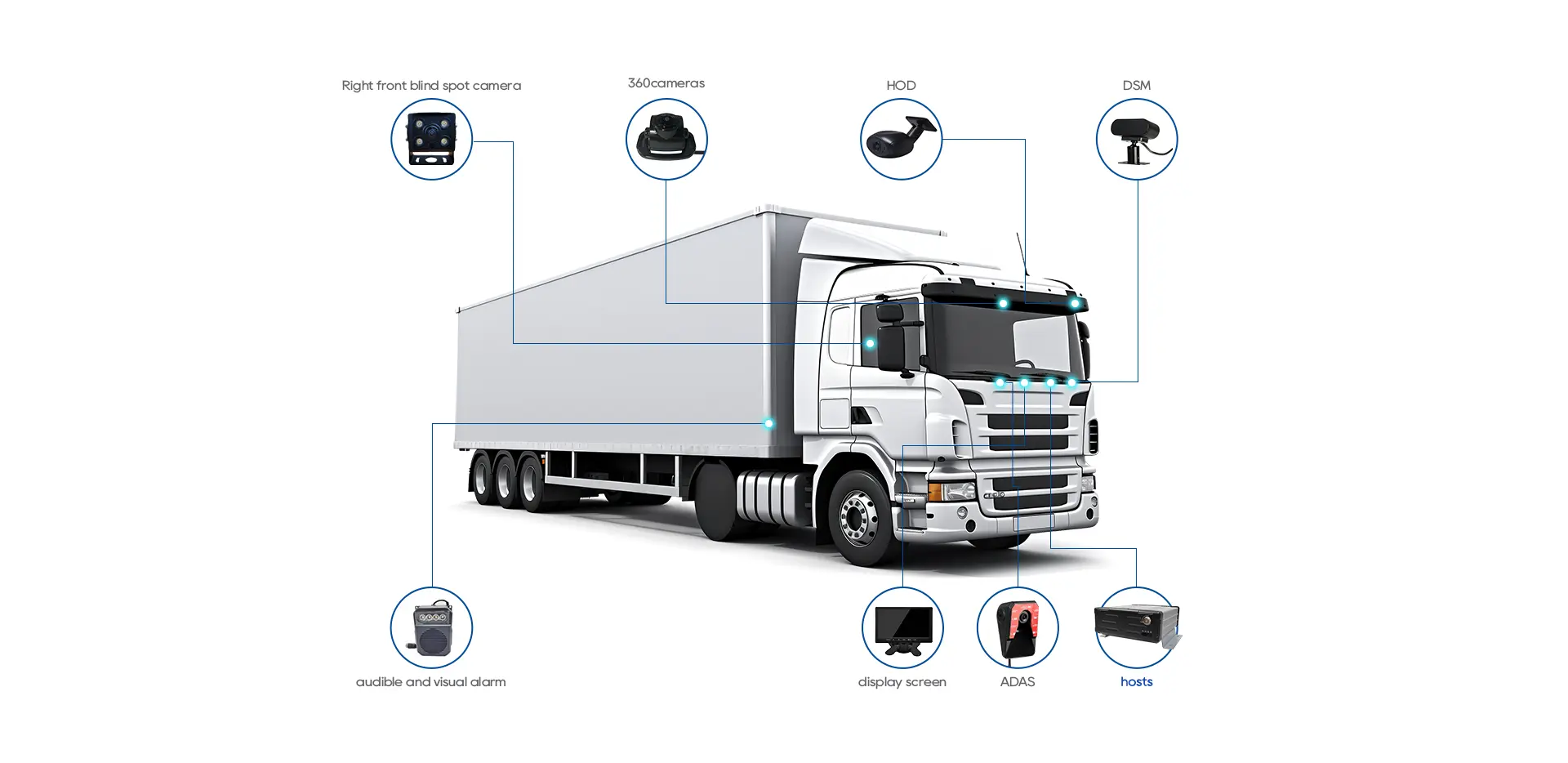
The foundation starts with connectivity. Trucks are no longer isolated machines; they’re rolling computers connected to the cloud. Telematics devices plug into a truck’s engine and transmit real-time data—location, speed, fuel consumption, engine health—back to fleet dashboards. Electronic Logging Devices (ELDs) automatically record hours of service, replacing paper logs and reducing compliance headaches.
On top of that foundation sit software platforms that analyze the data. Route optimization tools compare traffic, weather, and delivery windows to suggest the best paths. Maintenance systems predict failures before they happen by spotting abnormal engine behavior. Safety systems monitor braking, lane position, and following distance to reduce accidents.
Then there’s automation and electrification, which get the headlines. Advanced driver-assistance systems (ADAS) already help with lane keeping and collision avoidance. Electric and hybrid trucks are reducing fuel costs and emissions on specific routes. Fully autonomous trucks are still limited, but their supporting technologies—radar, lidar, AI vision—are already improving today’s vehicles.
The key thing to understand is this: trucking technology isn’t one tool. It’s an ecosystem. And like any ecosystem, the value comes from how well the pieces work together.
Why Technology in Trucking Matters More Than Ever
The trucking industry has always been sensitive to small changes. A spike in fuel prices, a driver shortage, or a regulatory shift can quickly squeeze margins. Technology has become the primary way fleets absorb these shocks and stay competitive.
One major pressure point is compliance. Regulations around hours of service, emissions, and safety reporting have grown stricter. Manual processes don’t scale anymore. Digital compliance tools reduce violations, audits, and downtime. That alone can save fleets thousands per truck each year.
Another driver is labor. Experienced drivers are harder to find and retain. Technology helps by making the job less stressful—clearer routes, fewer surprises, faster paperwork, and safer vehicles. Younger drivers, in particular, expect modern tools. A fleet running outdated systems looks like a step backward.
Customer expectations have also changed. Shippers now want Amazon-level visibility: real-time tracking, accurate ETAs, and proactive updates. Without connected technology, meeting those expectations is nearly impossible.
Finally, sustainability is no longer optional. Fuel efficiency tools, idle reduction systems, and alternative powertrains help fleets reduce emissions and meet environmental targets without sacrificing profitability.
In short, technology in trucking isn’t about being flashy. It’s about survival, resilience, and long-term growth in an industry that runs on thin margins.
Benefits and Real-World Use Cases of Technology in Trucking
The real test of any technology is whether it solves everyday problems. In trucking, the benefits show up in very practical ways.
For fleet owners, visibility is everything. Real-time tracking means knowing where assets are, how they’re being used, and where inefficiencies hide. A mid-sized fleet using telematics often discovers 10–15% unnecessary idling within weeks. Cutting that alone can save tens of thousands in fuel annually.
Dispatchers benefit from smarter planning. Route optimization tools factor in traffic, road restrictions, and delivery windows, reducing empty miles and late arrivals. One regional carrier I worked with shaved an average of 40 minutes per load simply by switching from static routes to dynamic planning.
Drivers see gains in safety and quality of life. ADAS features reduce fatigue-related accidents. Digital paperwork means less time filling forms at the end of a long shift. Clear communication reduces last-minute surprises that cause stress.
Shippers benefit from transparency. Real-time updates allow better inventory planning and fewer “where’s my load?” calls. That trust often translates into repeat business and better rates for carriers.
Use cases vary by operation size:
- Owner-operators often start with ELDs, GPS tracking, and fuel optimization tools.
- Small fleets add maintenance prediction and basic analytics.
- Large carriers integrate advanced safety systems, AI-driven dispatch, and custom dashboards.
The common thread is measurable improvement—lower costs, fewer incidents, and happier customers.
A Step-by-Step Guide to Adopting Technology in Trucking
Adopting trucking technology works best when it’s intentional, not reactive. Here’s a practical, proven approach.
Step one is assessment. Start by identifying your biggest pain points. Is fuel your top expense? Are breakdowns killing uptime? Are compliance audits stressful? Technology should solve specific problems, not just “modernize” for its own sake.
Step two is building a foundation. Most fleets begin with ELDs and basic telematics. These provide compliance, location data, and engine insights. Without this foundation, advanced tools won’t deliver full value.
Step three is integration. Choose platforms that talk to each other. A maintenance system that can’t access engine data or a dispatch tool that can’t see real-time locations creates silos and frustration.
Step four is training. This step is often underestimated. Drivers and dispatchers need to understand not just how to use tools, but why they matter. When drivers see that safety alerts protect them and fuel scores improve bonuses, adoption skyrockets.
Step five is iteration. Use reports to track KPIs—fuel efficiency, on-time delivery, safety events. Adjust settings, routes, and processes. Technology works best when it’s continuously tuned.
Best practices include starting small, avoiding over-customization early, and assigning a clear internal owner for each system. The biggest failures happen when tools are installed and forgotten.
Tools, Platforms, and Technology Comparisons
The trucking tech landscape is crowded, but a few categories matter most.
Telematics and fleet management platforms are the backbone. Solutions from providers like Samsara and Geotab offer GPS tracking, engine diagnostics, safety analytics, and reporting. These are typically subscription-based, with hardware costs upfront and monthly fees per vehicle. Free options exist, but they usually lack depth, support, and scalability.
Dispatch and freight matching tools help optimize loads and reduce empty miles. Digital freight networks, including platforms associated with Uber Freight, bring transparency and automation to spot markets, though they may not suit every lane or contract-heavy fleet.
Maintenance management systems range from basic scheduling tools to advanced predictive analytics. Paid solutions often integrate directly with engine data, while free tools rely on manual input. The trade-off is time versus accuracy.
On the vehicle side, manufacturers like Volvo Trucks and Daimler Truck embed advanced safety and efficiency tech directly into new models. Electric and semi-autonomous experiments from innovators such as Tesla push the industry forward, even if widespread adoption takes time.
The right mix depends on fleet size, routes, and budget. There’s no universal “best” stack—only what aligns with your operation.

Common Mistakes Fleets Make—and How to Fix Them
One of the most common mistakes is buying technology without a clear goal. Fleets install systems, generate reports, and then ignore them. The fix is simple but disciplined: tie every tool to a KPI and review it regularly.
Another mistake is overwhelming drivers. Too many alerts, cameras without context, or punitive scorecards breed resistance. Successful fleets frame technology as support, not surveillance, and involve drivers early in the process.
Poor integration is another trap. When systems don’t communicate, staff revert to manual workarounds. Choosing platforms with open APIs and proven integrations prevents this.
Finally, many fleets underestimate change management. Technology changes workflows. Without training and leadership buy-in, even the best tools fail. The fix is ongoing education and clear communication about benefits.
The Road Ahead: What’s Next for Technology in Trucking
Looking forward, trucking technology will become quieter and more invisible. AI will increasingly operate in the background—adjusting routes, predicting maintenance, and managing energy use without constant human input.
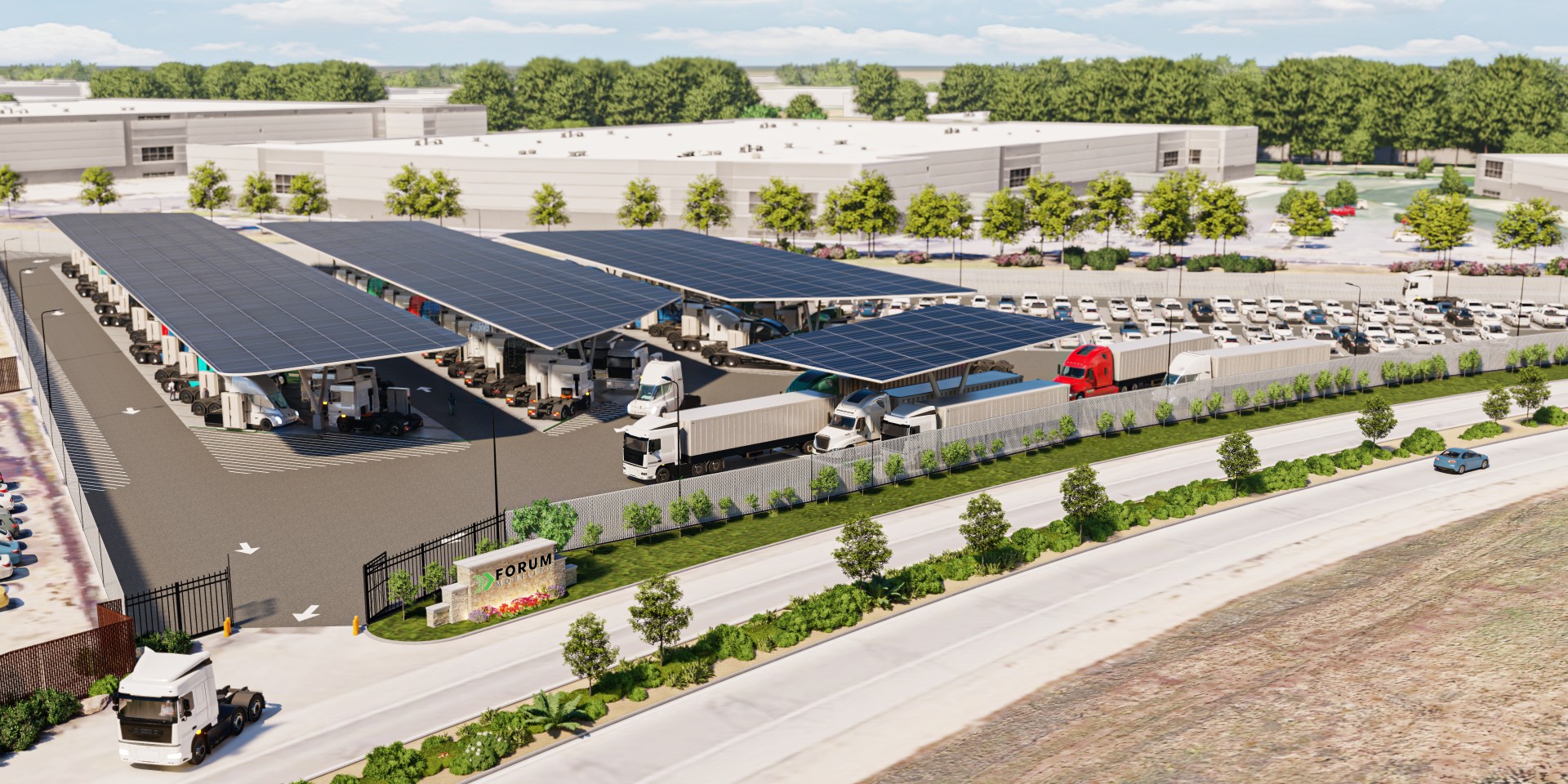
Autonomous trucking will likely expand first in controlled environments like highways and dedicated freight corridors, not city streets. Electrification will grow fastest in regional and last-mile operations where routes are predictable and charging infrastructure makes sense.
Data sharing across the supply chain will improve, reducing delays and inventory waste. And regulatory technology will evolve alongside policy, making compliance more automated and less stressful.
The winners won’t be the fleets with the most gadgets, but the ones that integrate technology thoughtfully into daily operations.
Conclusion
Technology in trucking isn’t about replacing people; it’s about amplifying their expertise. The best fleets I’ve seen use digital tools to give drivers clearer roads, dispatchers better decisions, and owners predictable margins. The trucks still roll on steel and diesel—or increasingly, electrons—but the brains behind them are smarter than ever.
If you’re considering new technology, start with your biggest pain point, build a solid foundation, and grow from there. The road ahead belongs to fleets that combine experience with innovation. If you’ve already taken steps down that road, share what’s worked—and what hasn’t. The industry learns best when knowledge travels as freely as freight.
FAQs
What is technology in trucking?
It refers to digital systems—hardware and software—that improve safety, efficiency, compliance, and visibility in trucking operations.
How does trucking technology improve safety?
Through ADAS features, driver monitoring, predictive maintenance, and real-time alerts that reduce accidents and breakdowns.
Is trucking technology expensive?
Costs vary, but most fleets see ROI through fuel savings, reduced downtime, and fewer violations.
Can small fleets benefit from trucking technology?
Yes. Even basic tools like ELDs and GPS tracking deliver immediate compliance and efficiency gains.
What role does AI play in trucking?
AI powers route optimization, predictive maintenance, and safety analytics by learning from large data sets.

Adrian Cole is a technology researcher and AI content specialist with more than seven years of experience studying automation, machine learning models, and digital innovation. He has worked with multiple tech startups as a consultant, helping them adopt smarter tools and build data-driven systems. Adrian writes simple, clear, and practical explanations of complex tech topics so readers can easily understand the future of AI.