
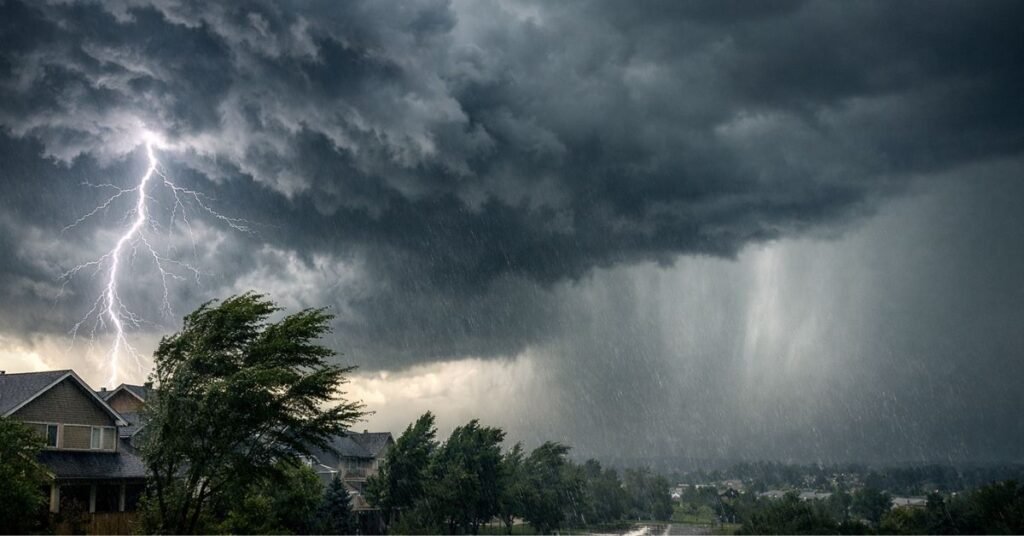
A few years ago, I was halfway through grilling dinner when my phone erupted with that unmistakable emergency alert sound. No gentle notification. No polite buzz. Just a loud, urgent blare and four words that immediately change your priorities:
Severe Thunderstorm Warning.
Within minutes, the sky went from summer blue to an unsettling greenish-gray. Wind whipped patio chairs across the yard. Hail the size of marbles followed. What stuck with me wasn’t the noise or the damage—it was how many neighbors later said, “I didn’t think it was a big deal.”
That reaction is exactly why this topic matters.
A severe thunderstorm warning isn’t background noise. It’s not “just rain.” It’s a time-sensitive alert that can protect lives, homes, vehicles, and livelihoods—if you understand it and respond correctly.
In this guide, I’ll walk you through what a severe thunderstorm warning really means, how it works, what to do step by step, common mistakes I’ve seen over the years, and how to stay ahead of fast-changing weather. This comes from more than a decade of researching, tracking, and personally experiencing severe storms—not theory, but lived reality.
What Is a Severe Thunderstorm Warning? (Plain English Explanation)
Let’s strip away the jargon.
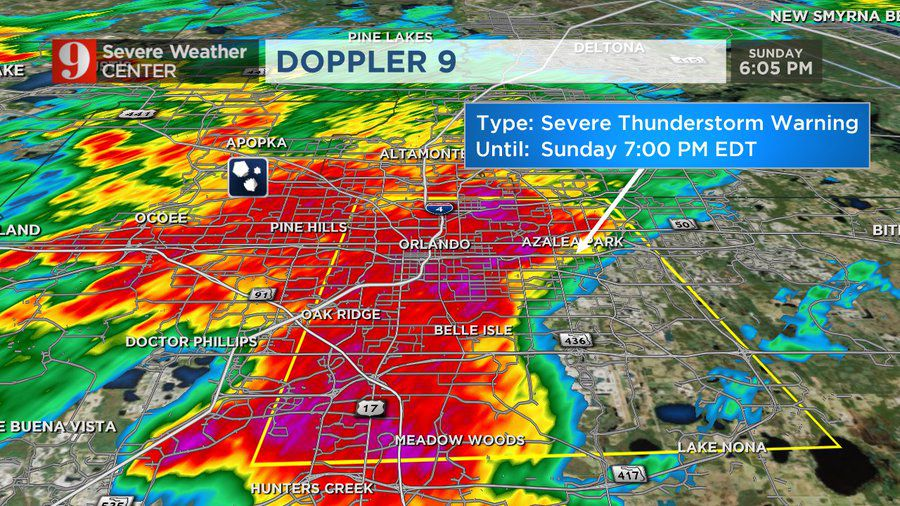
A severe thunderstorm warning means a dangerous thunderstorm is happening right now or will happen very soon in your specific area. This is not a forecast. It’s not a “heads up.” It’s an action alert.
What Makes a Thunderstorm “Severe”?
Meteorologists issue a severe thunderstorm warning when a storm meets one or more of these criteria:
- Damaging winds of 58 mph or stronger
- Hail at least 1 inch in diameter (about the size of a quarter)
- Heavy rainfall capable of causing flash flooding (in some cases)
Think of it this way:
A thunderstorm watch is like knowing ingredients are on the counter.
A severe thunderstorm warning means the meal is already cooking—and it might burn the house down if ignored.
Warning vs Watch: A Crucial Difference
This is where people get tripped up:
- Severe Thunderstorm Watch
Conditions could produce severe storms. Stay alert. - Severe Thunderstorm Warning
Severe weather is already occurring or imminent. Take action now.
In real life, warnings often come with very little lead time—sometimes 10–20 minutes. That’s why understanding and reacting quickly matters so much.
Why Severe Thunderstorm Warnings Exist (And Why They Save Lives)
Severe thunderstorms are one of the most underestimated weather threats in North America. Tornadoes get the headlines, but straight-line winds from thunderstorms can be just as destructive—and far more common.
Real-World Impacts I’ve Personally Seen
Over the years, I’ve watched severe thunderstorms:
- Peel roofs off homes without a tornado
- Shatter windshields with sudden hail bursts
- Knock out power for days due to downed lines
- Flip trampolines, sheds, and even small boats
- Cause injuries from flying debris
The warning system exists because people don’t naturally sense wind danger the way they do fire or earthquakes. By the time it “feels bad,” damage is already happening.
Severe thunderstorm warnings give you a small but critical window to:
- Move vehicles under cover
- Secure outdoor objects
- Get people and pets indoors
- Avoid driving during peak danger
Benefits & Real-World Use Cases of Severe Thunderstorm Warnings
The Core Benefit: Time
The biggest benefit of a severe thunderstorm warning is decision-making time.
Even 5–10 minutes can be the difference between:
- A safe car vs. thousands in hail damage
- An injury vs. being indoors
- Power preparedness vs. spoiled food and dead phones
Who Benefits Most?
Severe thunderstorm warnings are especially important for:
- Homeowners – to prevent property damage
- Drivers – to avoid high-risk roads
- Outdoor workers – construction, agriculture, landscaping
- Parents – protecting kids during activities
- Event organizers – sports, fairs, festivals
Who Tends to Ignore Them (and Shouldn’t)
Ironically, people who experience storms often become numb to warnings. I’ve seen this repeatedly in storm-prone regions.
Common phrases:
- “We get these all the time.”
- “It’ll pass.”
- “Radar always exaggerates.”
That mindset is how cars get totaled and injuries happen.
What to Do During a Severe Thunderstorm Warning (Step-by-Step)
When a severe thunderstorm warning is issued for your area, don’t overthink it. Follow a simple, proven process.
Step 1: Get Inside Immediately
This sounds obvious, but hesitation is common.
- Move indoors as soon as the warning is issued
- Avoid windows and glass doors
- Bring pets inside if possible
If you’re outside and can’t get indoors:
- Avoid trees
- Stay low
- Keep distance from metal objects
Step 2: Secure What You Can—Quickly
If you have a few minutes:
- Move vehicles into garages or covered areas
- Bring in lightweight outdoor furniture
- Secure grills, trash cans, and décor
Do not go outside once winds intensify. Debris becomes airborne fast.
Step 3: Stay Off the Roads If Possible
Driving during a severe thunderstorm is risky due to:
- Reduced visibility
- Hydroplaning
- Sudden wind gusts
- Falling branches or power lines
If caught driving:
- Slow down
- Avoid underpasses
- Never drive through flooded roads
Step 4: Monitor Reliable Updates
Use trusted sources:
- NOAA Weather Radio
- Local TV meteorologists
- Official weather apps with push alerts
Avoid social media rumors during active warnings.
Tools, Apps & Resources I Personally Recommend
Over the years, I’ve tested dozens of weather tools. Some are fantastic. Some are noisy and inaccurate.
Best Free Tools
NOAA Weather Radio
- Pros: Most accurate, direct alerts
- Cons: Requires setup, not mobile-friendly
Weather.gov
- Pros: Official data, detailed warnings
- Cons: Not user-friendly for beginners
Local TV Station Apps
- Pros: Regional expertise, live radar
- Cons: Can include ads
Paid Apps Worth Considering
RadarScope
- Pros: Professional-grade radar, precise
- Cons: Learning curve, small fee
MyRadar Pro
- Pros: Clean UI, fast alerts
- Cons: Less technical detail
Expert Tip
I recommend one official source + one visual radar app. Too many alerts lead to alert fatigue—and that’s dangerous.
Common Mistakes People Make During Severe Thunderstorm Warnings
I’ve seen smart, capable people make the same mistakes over and over.
Mistake #1: Waiting to “See What Happens”
Why it happens:
- Storms look calm at first
- Past false alarms
Fix:
- Treat every warning as real until proven otherwise
Mistake #2: Going Outside to Record Video
Why it happens:
- Curiosity
- Social media pressure
Fix:
- No video is worth injury from flying debris
Mistake #3: Driving Through Heavy Rain
Why it happens:
- Overconfidence
- Familiar roads
Fix:
- Turn around. Flooding is unpredictable.
Mistake #4: Ignoring Wind Risk
Why it happens:
- Wind feels less threatening than tornadoes
Fix:
- Remember: straight-line winds can exceed hurricane force
How Severe Thunderstorm Warnings Differ From Tornado Warnings
This is a frequent question—and an important one.
- Severe Thunderstorm Warning
- Primary threats: wind, hail, heavy rain
- No confirmed tornado (though one can still develop)
- Tornado Warning
- Tornado sighted or radar-indicated
- Immediate life-threatening danger
Important note:
Some severe thunderstorms can produce tornadoes without warning. That’s why taking shelter seriously matters even without the word “tornado.”
Long-Term Preparedness: Staying Ready Beyond the Warning
After years of storm seasons, I’ve learned preparation reduces stress more than anything.
Simple Preparedness Checklist
- Keep phones charged
- Have flashlights ready
- Secure loose outdoor items before storm season
- Know your safest room at home
- Store important documents digitally
Preparedness isn’t fear—it’s confidence.
Conclusion: Respect the Warning, Reduce the Risk
A severe thunderstorm warning is one of the most practical, actionable alerts you’ll ever receive. It’s not meant to scare you—it’s meant to give you a chance.
From personal experience, I can tell you this:
People who respect warnings rarely regret it. People who ignore them often do.
Understand what the warning means. Act early. Use reliable tools. And don’t let familiarity breed complacency.
If this guide helped clarify things for you, feel free to share it, bookmark it, or explore more weather preparedness resources. Staying informed is one of the easiest ways to stay safe.
FAQs About Severe Thunderstorm Warnings
1. What does a severe thunderstorm warning mean exactly?
It means a thunderstorm producing dangerous winds, hail, or heavy rain is occurring or imminent in your area.
2. How long does a severe thunderstorm warning last?
Most warnings last 30–60 minutes, but storms can be reissued or extended.
3. Should I take shelter during a severe thunderstorm warning?
Yes. Stay indoors, away from windows, and avoid unnecessary travel.
4. Can a severe thunderstorm warning turn into a tornado warning?
Yes. Some storms intensify rapidly and produce tornadoes.
5. Is hail common during a severe thunderstorm warning?
Very. Hail is one of the primary triggers for issuing a warning.
6. Are severe thunderstorm warnings dangerous at night?
Yes—and often more dangerous because hazards are harder to see.
7. Do severe thunderstorm warnings always cause damage?
Not always, but the potential is high enough to justify immediate action.
8. What’s the safest place in a house during a severe thunderstorm warning?
An interior room, away from windows, ideally on the lowest level.
9. Can straight-line winds be as strong as tornadoes?
Yes. They can exceed 70–80 mph and cause comparable damage.
10. How can I get severe thunderstorm warnings instantly?
Enable emergency alerts on your phone and use trusted weather apps or NOAA Weather Radio.

Hannah Price is a digital journalist who covers breaking news, global events, and trending stories with accuracy and speed. She has previously contributed to several online magazines and has built a reputation for verifying facts before publishing. Hannah believes in responsible reporting and aims to present stories in a way that readers can trust.