
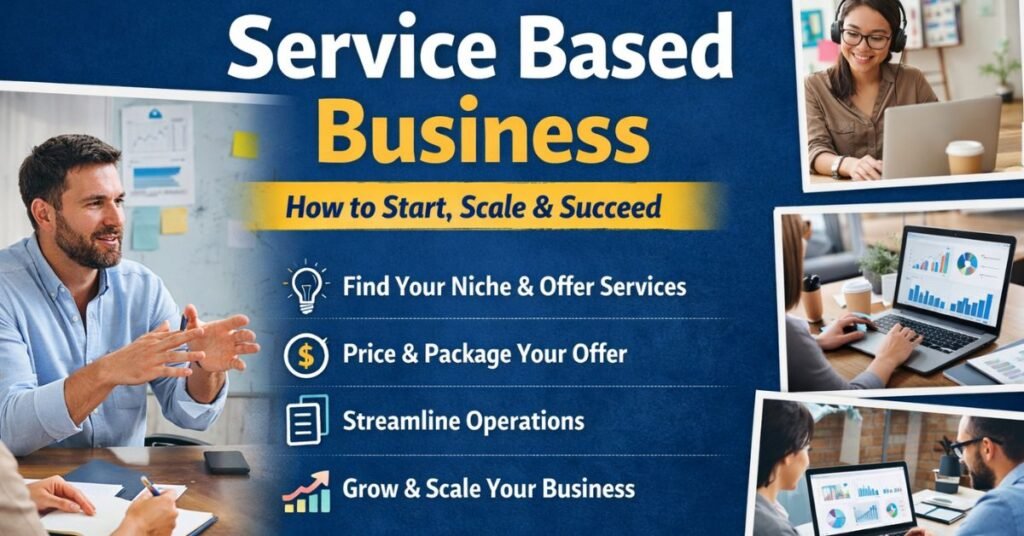
Introduction
If you’ve ever traded your time, skills, or expertise for money—whether as a freelancer, consultant, coach, agency owner, or local professional—you’re already part of a service based business. What surprises most people is how powerful, flexible, and scalable this model can be when done right.
A service based business doesn’t require warehouses, inventory, or massive startup capital. It requires clarity, credibility, and consistency. In a world where automation and AI are reshaping industries, human expertise, problem-solving, and trust have become more valuable than ever. Businesses and individuals alike are actively seeking specialists who can save them time, reduce risk, or help them grow faster.
This guide is written from real-world experience—what actually works, what fails quietly, and what successful service businesses do differently. You’ll learn what a service based business really is, how to structure one properly, how to attract and retain clients, which tools matter, common mistakes to avoid, and how to scale without burning out.
Whether you’re starting from scratch or refining an existing operation, this guide will give you a clear, practical roadmap.
What Is a Service Based Business? A Simple, Practical Explanation
A service based business sells outcomes, expertise, or labor rather than physical products. The customer pays for a result, transformation, or solution—not an item they can hold.
Think of it like this:
A product business sells things. A service business sells change.
A graphic designer sells visual clarity.
A marketing consultant sells growth.
A plumber sells peace of mind.
A virtual assistant sells time back to the client.
What unites all service based businesses is the relationship between provider and client. Trust matters more than branding. Results matter more than features. Reputation compounds faster than ad spend.
There are several common categories of service based businesses:
- Professional services (lawyers, accountants, consultants)
- Creative services (designers, writers, videographers)
- Digital services (SEO, social media management, development)
- Personal services (coaching, fitness training, therapy)
- Local services (electricians, cleaners, landscapers)
Unlike product businesses, service businesses often start as solo operations. The owner is the service at first. Over time, systems, teams, and processes can reduce dependency on the founder—but that transition must be intentional.
A key misconception is that service businesses don’t scale. In reality, they scale differently. Instead of selling more units, you increase value per client, streamline delivery, productize offerings, or build teams.
Why Service Based Businesses Are So Powerful Today
The modern economy heavily favors service based businesses, especially knowledge-driven ones. Information is abundant, but expertise is scarce. Tools are accessible, but judgment and experience are not.
One major advantage is low startup cost. Many service businesses can be launched with:
- A laptop
- An internet connection
- A specific skill
- A clear offer
Another advantage is speed. You can land your first client in weeks instead of months. Cash flow starts earlier compared to product-based ventures that require manufacturing, shipping, and inventory management.
Service based businesses also adapt quickly. If market demand shifts, you can refine your offer, reposition your messaging, or target a new niche without retooling a factory or liquidating stock.
From a lifestyle perspective, service businesses offer flexibility. You can operate remotely, choose clients, control workload, and design your schedule. That flexibility becomes a strategic asset when paired with disciplined systems.
Perhaps most importantly, service businesses build trust-based brands. When clients rely on your expertise, switching costs increase. Long-term relationships become predictable revenue streams.
Who a Service Based Business Is Best Suited For
Not everyone thrives in a service based business, and that’s okay. This model rewards certain traits and working styles.
Service businesses are ideal for people who:
- Enjoy solving problems
- Communicate clearly and confidently
- Can manage relationships professionally
- Value autonomy over rigid structure
- Are willing to continuously improve their skills
They’re especially powerful for:
- Freelancers wanting more stability
- Employees transitioning to self-employment
- Experts monetizing industry experience
- Small teams building specialized agencies
- Local professionals formalizing their services
If you prefer anonymous transactions, minimal client interaction, or fully automated income, a pure service model may feel draining. However, many successful founders blend services with digital products later, using service income as the foundation.
The key is self-awareness. A service based business magnifies your strengths—and your weaknesses. Clear boundaries, strong communication, and process discipline are not optional; they’re survival skills.
Types of Service Based Business Models (With Real Examples)
Not all service based businesses operate the same way. Understanding different models helps you choose the structure that fits your goals.
Hourly services are the simplest. You charge for time spent. Examples include consultants, tutors, and therapists. While easy to start, hourly billing caps income and often leads to burnout.
Project-based services charge a fixed price for a defined scope. Designers, developers, and marketers commonly use this model. It improves predictability but requires clear boundaries to avoid scope creep.
Retainer-based services offer ongoing support for a monthly fee. This model stabilizes cash flow and deepens client relationships. Agencies and virtual service providers thrive here.
Outcome-based services price based on results achieved. While lucrative, this model requires confidence, experience, and strong measurement systems.
Productized services package services into standardized offers with fixed pricing and clear deliverables. This hybrid model combines service flexibility with product efficiency and is one of the most scalable approaches.
Most successful service based businesses evolve through multiple models as they grow.
How to Start a Service Based Business Step by Step
Starting a service based business doesn’t require perfection. It requires momentum, clarity, and execution.
Begin by identifying a marketable skill. This doesn’t need to be rare—just useful. Look at your work history, hobbies, or problems you’ve solved repeatedly for others.
Next, define a specific problem you solve. “I help small businesses increase local visibility through SEO” is clearer than “I do marketing.”
Then craft a simple offer. Include:
- Who it’s for
- What you do
- What outcome they get
- How long it takes
- What it costs
You don’t need a perfect website. A basic landing page, LinkedIn profile, or even a well-written email can land your first client.
Outreach matters early. Talk to people. Ask questions. Offer value. Early clients come from conversations, not algorithms.
Finally, deliver exceptionally well. Your first clients shape your reputation, testimonials, and confidence. Overdeliver strategically—without underpricing yourself.

Pricing Your Service Based Business the Right Way
Pricing is where many service businesses struggle—not because they charge too much, but because they charge without confidence or clarity.
Avoid pricing based solely on competitors. Your value depends on expertise, outcomes, speed, and reliability.
Start with value-based thinking. Ask:
- What problem am I solving?
- What is that worth to the client?
- What happens if the problem remains unsolved?
Clients don’t buy hours; they buy relief, growth, or certainty.
Create pricing tiers to anchor value. Offer a basic option, a recommended option, and a premium option. This increases conversions and positions you as a professional.
Avoid underpricing to “get experience.” Low prices attract difficult clients and trap you in survival mode. It’s better to have fewer clients paying sustainable rates.
Revisit pricing every six months. As demand increases and skills improve, pricing should evolve.
Systems and Processes That Make Service Businesses Sustainable
A service based business collapses without systems. Consistency beats talent over time.
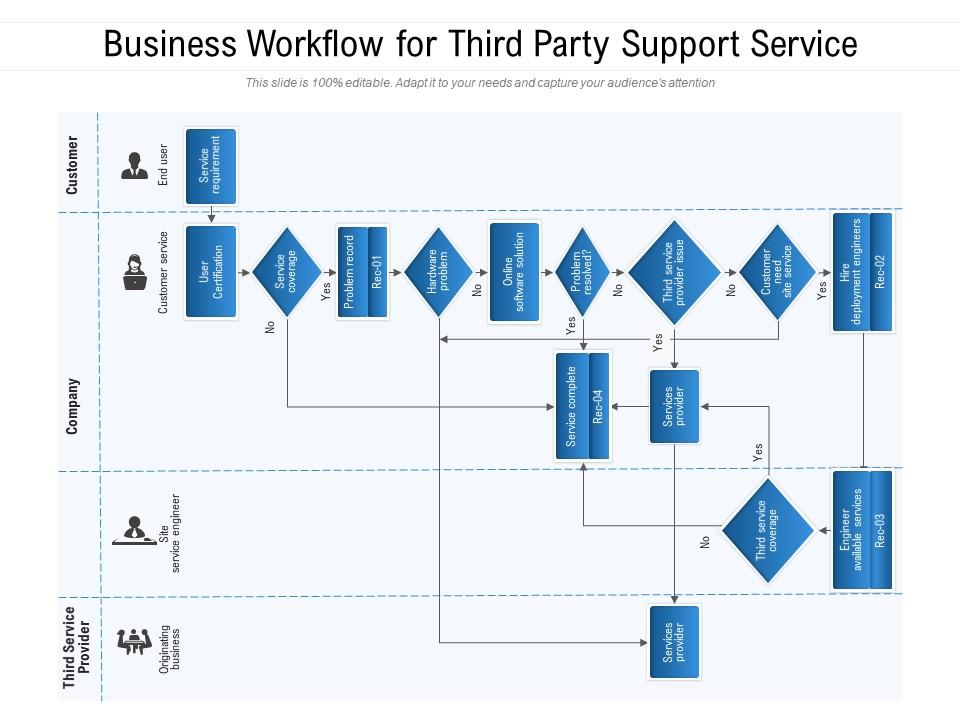
Document how you onboard clients, deliver work, communicate updates, handle revisions, and close projects. Even simple checklists reduce errors and stress.
Automate where possible. Scheduling, invoicing, and follow-ups should not consume mental energy.
Standardize your core services. Customization is valuable, but chaos is expensive.
Clear processes allow you to:
- Delegate confidently
- Scale without chaos
- Maintain quality
- Reduce burnout
Your future self will thank you for building systems early—even if you’re solo today.
Tools and Software That Power Modern Service Based Businesses
The right tools don’t make you successful, but the wrong ones slow you down.
For client management, tools like HubSpot or Notion help centralize communication and workflows.
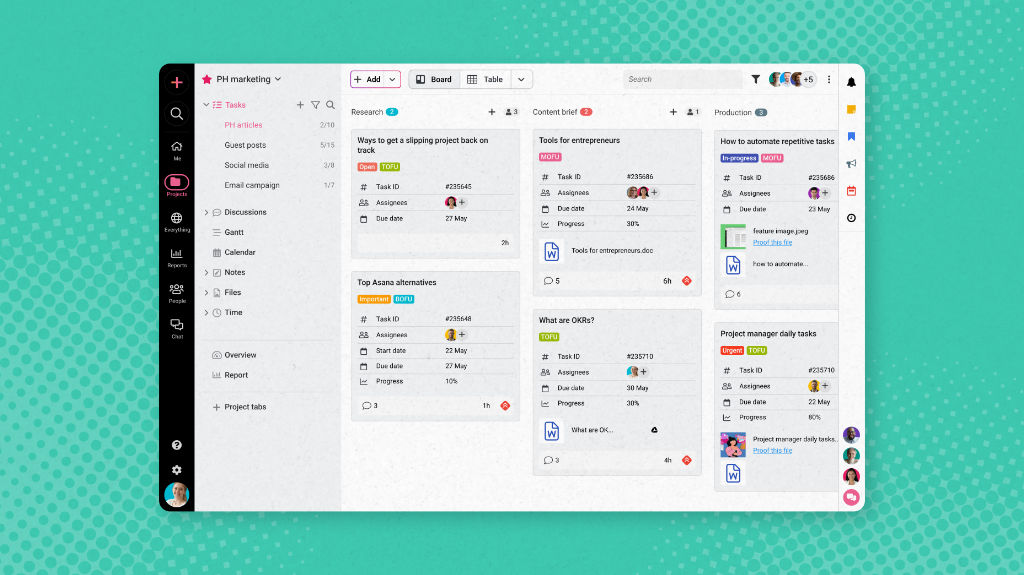
For project management, platforms such as Trello and Asana offer clarity and accountability.
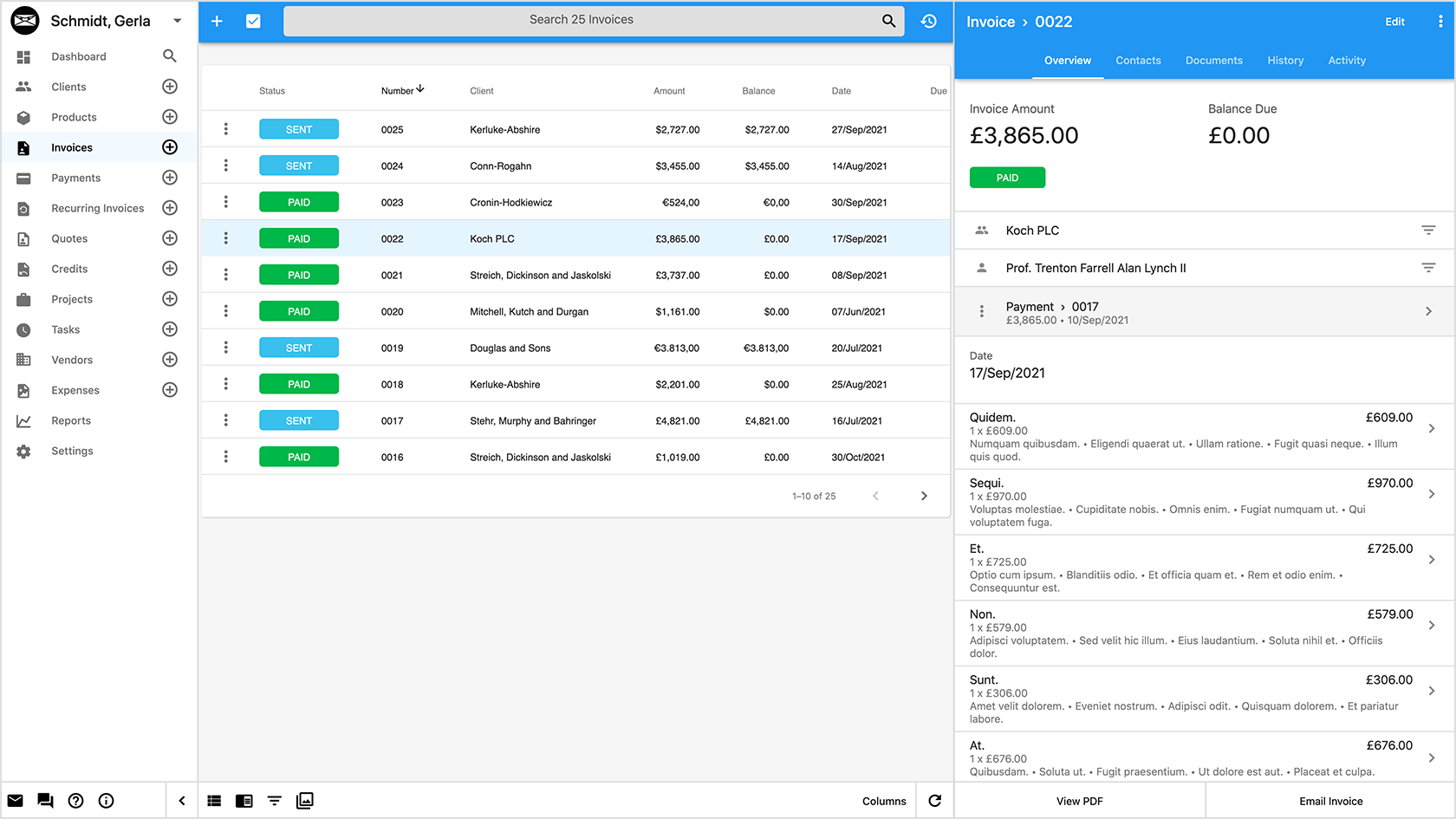
For payments and invoicing, Stripe and QuickBooks streamline finances.
Free tools work early, but paid tools save time as complexity grows. Choose tools that integrate well and scale with you.
Avoid tool overload. Every tool should serve a clear purpose.

Common Mistakes Service Based Business Owners Make (And How to Fix Them)
The most common mistake is unclear positioning. Trying to serve everyone results in serving no one well. Fix this by narrowing your niche and message.
Another mistake is scope creep. Clients ask for “small extras” that add up. Fix this with clear contracts, boundaries, and change requests.
Underpricing is another trap. It leads to burnout and resentment. Fix it by aligning pricing with value and confidence.
Poor communication destroys trust. Fix this with regular updates, transparency, and responsiveness.
Finally, many owners avoid sales. Selling is simply explaining value and solving problems. Reframe sales as service.
How to Scale a Service Based Business Without Burning Out
Scaling doesn’t mean working more hours. It means working differently.
Start by increasing prices. This is the fastest way to grow revenue without adding complexity.
Next, productize your services. Turn custom work into repeatable packages.
Hire support strategically. Virtual assistants, contractors, and specialists free you to focus on growth.
Build authority. Content, speaking, case studies, and referrals reduce reliance on cold outreach.
Eventually, transition from operator to leader. Systems run the business. You guide direction.
Sustainable scaling prioritizes profit, sanity, and impact—not just revenue.
The Future of Service Based Businesses
Service based businesses are evolving, not disappearing. AI and automation handle routine tasks, but strategy, creativity, empathy, and judgment remain human advantages.
The future favors specialists over generalists, clarity over noise, and relationships over reach.
Service businesses that combine expertise with systems will thrive. Those that resist change will struggle.
Adaptability is the ultimate competitive advantage.
Conclusion
A service based business is one of the most accessible, flexible, and powerful ways to build income, impact, and independence. When built intentionally, it offers stability without stagnation and freedom without chaos.
The path isn’t effortless—but it’s proven. Focus on solving real problems, pricing with confidence, building systems early, and serving clients exceptionally well.
If you’re willing to treat your service like a business—not a hustle—you can build something that lasts.
Start small. Execute consistently. Improve relentlessly.
FAQs
What is a service based business?
A service based business sells expertise, labor, or outcomes instead of physical products.
Is a service based business profitable?
Yes, especially with clear positioning, proper pricing, and strong systems.
Can service based businesses scale?
Absolutely. Through productization, teams, retainers, and authority building.
What’s the easiest service business to start?
The easiest is one based on skills you already have and problems you understand deeply.
Do service businesses require a website?
Not initially, but a professional online presence improves credibility.

Michael Grant is a business writer with professional experience in small-business consulting and online entrepreneurship. Over the past decade, he has helped brands improve their digital strategy, customer engagement, and revenue planning. Michael simplifies business concepts and gives readers practical insights they can use immediately.