
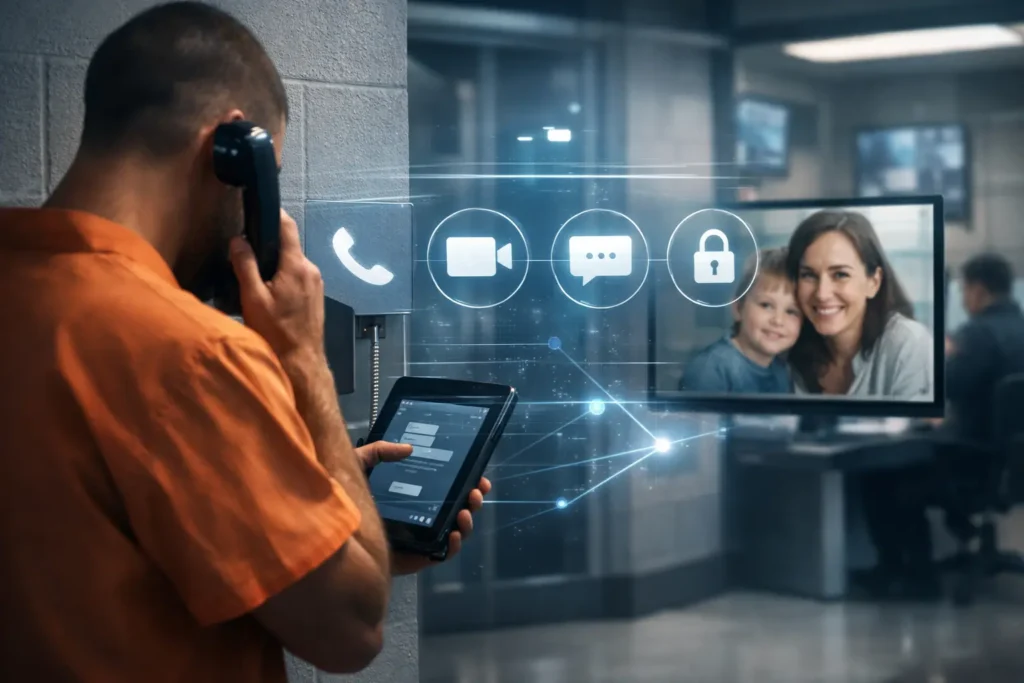
If you have ever tried to stay connected with someone inside a jail or prison, you already understand the problem this article exists to solve. Communication in correctional facilities is complicated, expensive, emotionally charged, and deeply misunderstood. Families feel shut out. Administrators feel overwhelmed. Policymakers feel scrutinized. And technology sits right in the middle of it all.
That is where Securus Technology enters the conversation.
Whether you are a corrections professional, a policymaker, a journalist, a family member of an incarcerated individual, or simply someone researching how prison communication systems work, this guide is designed to give you something most content online does not: real context, real-world perspective, and practical clarity.
This is not a brochure. It is not a press release. And it is not outrage-driven commentary.
It is a grounded, experience-informed breakdown of what Securus Technology actually is, how it operates, where it succeeds, where it struggles, and why it has become such a central name in conversations about incarceration, technology, and human connection.
By the end of this article, you will understand:
- What Securus Technology does in plain English
- Why correctional facilities rely on it
- How families and inmates experience it in real life
- Where the controversies come from
- How it compares to alternatives
- What mistakes people make when using or evaluating it
- What the future likely holds
Understanding Securus Technology (From Beginner to Expert)
At its core, Securus Technologies is a correctional technology provider. That sounds abstract, so let’s ground it in reality.
Imagine running a small city where everyone is confined, security risks are constant, staffing is limited, and communication must be controlled without being eliminated. That is a jail or prison. Now imagine trying to manage phone calls, video visits, messages, tablets, payments, monitoring, and compliance — all at once.
Securus Technology exists to provide that infrastructure.
In simple terms, Securus builds and operates systems that allow incarcerated individuals to:
- Make phone calls
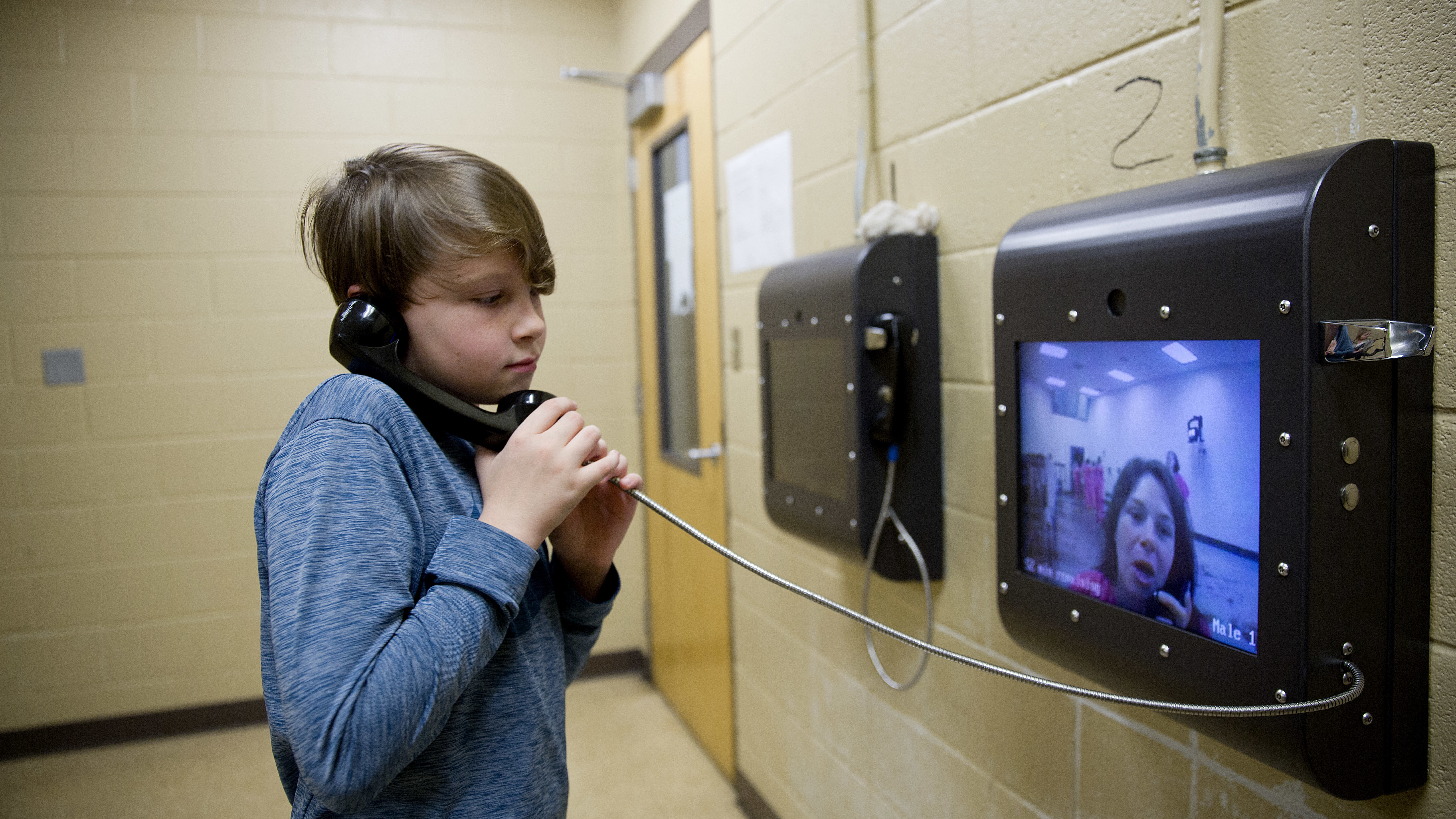
- Participate in video visitation
- Send and receive electronic messages
- Access educational and informational content through tablets
At the same time, those systems allow correctional facilities to:
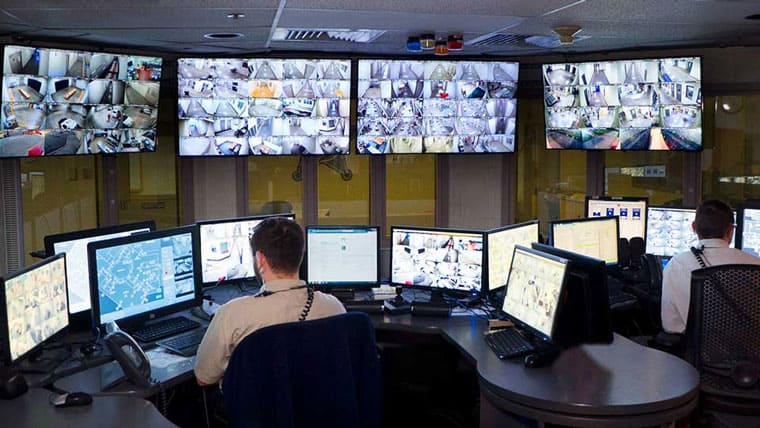
- Monitor and record communications when legally required
- Control access and permissions
- Reduce contraband and security risks
- Replace aging analog phone systems
- Shift costs away from the facility budget
For beginners, think of Securus as the “telecom + software backend” for prisons.
For experts, it is more accurate to think of Securus as a vertically integrated correctional communications ecosystem — hardware, software, billing, analytics, compliance, and support wrapped into one vendor relationship.
This dual role is important because it explains both Securus’ value and the controversy surrounding it. When one company touches so many parts of a sensitive system, the stakes are high.
Why Securus Technology Exists (And Why Facilities Use It)
Correctional facilities did not wake up one day and decide to outsource communication for fun. They did it out of necessity.
Historically, prisons relied on outdated phone systems that were expensive to maintain, difficult to monitor, and prone to abuse. Staff time was drained managing logistics instead of focusing on safety. Families faced unpredictable access. And security gaps were common.
Securus stepped in with a model that promised:
- Modernized infrastructure without upfront capital costs
- Centralized control and monitoring
- Predictable operational workflows
- Reduced administrative burden
From a facility administrator’s perspective, the appeal is obvious. Instead of building a custom system internally, they contract with a provider that specializes exclusively in this environment.
This is where many critics stop — but real understanding requires going deeper.
Facilities are under intense pressure to:
- Maintain safety with limited staffing
- Meet legal communication requirements
- Reduce contraband and misuse
- Operate within shrinking budgets
Securus positions itself as a solution to those pressures. Whether it always succeeds is a different question — but the motivation behind adoption is not mysterious or malicious. It is structural.
Benefits and Real-World Use Cases of Securus Technology
The easiest way to understand the impact of Securus Technology is to look at outcomes rather than features.
For Correctional Facilities
Before Securus:
- Analog phone systems with limited tracking
- Manual processes for visitation
- Heavy staff involvement
- High maintenance costs
After Securus:
- Digital call management
- Automated monitoring tools
- Centralized dashboards
- Reduced infrastructure burden
Facilities often report:
- Improved operational efficiency
- Better compliance documentation
- Fewer contraband-related incidents tied to communication
For Families and Friends
This is where the experience becomes more emotional and complex.
From the family side, Securus can mean:
- Faster access to communication
- Video visitation options when travel is impossible
- More frequent contact
At the same time, it can also mean:
- Higher-than-expected costs
- Account management frustration
- Confusing pricing structures
Both realities can exist simultaneously, and any honest discussion of Securus Technology has to acknowledge that tension.
For Incarcerated Individuals
Communication is not a luxury in incarceration. It is one of the strongest predictors of successful reintegration after release.
Access to calls, messages, and educational content can:
- Maintain family bonds
- Reduce isolation
- Support mental health
- Encourage rehabilitation
Securus systems, when implemented thoughtfully, can support these outcomes. When implemented poorly, they can undermine them.

A Step-by-Step Look at How Securus Technology Works in Practice
Understanding Securus conceptually is one thing. Understanding how it works day-to-day is another.
Step 1: Facility Contracting and Setup
A correctional facility enters into a contract with Securus. This contract typically defines:
- Services provided (calls, video, messaging, tablets)
- Pricing structures
- Revenue-sharing or commission models
- Compliance responsibilities
This is where long-term outcomes are shaped. Contract terms matter more than most people realize.
Step 2: Infrastructure Installation
Securus installs or upgrades:
- Phone kiosks
- Network connections
- Monitoring equipment
- Tablet distribution systems
This phase determines reliability. Poor installation leads to many of the complaints you see online.
Step 3: User Account Creation
Families create accounts to:
- Add funds
- Schedule visits
- Manage contacts
This is often the most frustrating step for users, especially first-timers. Small usability issues here have an outsized emotional impact.
Step 4: Communication and Monitoring
Calls and messages flow through Securus systems where they may be:
- Recorded
- Logged
- Analyzed for compliance
Facilities control policies, not families — a distinction many people miss when assigning blame.
Step 5: Support and Issue Resolution
Support quality varies widely depending on:
- Facility configuration
- User location
- Volume demand
This inconsistency fuels much of the public criticism.
Tools, Comparisons, and Expert Recommendations
Securus Technology is not the only player in this space. Understanding alternatives helps contextualize its strengths and weaknesses.
Securus vs. GTL (ViaPath)
Securus:
- Broad service ecosystem
- Deep integration
- Strong analytics tools
Alternatives like GTL:
- Different pricing models
- Varying UI experiences
- Facility-dependent performance
There is no universal “best” option. The right solution depends on:
- Facility size
- Budget
- Population needs
- Administrative philosophy
Free vs Paid Communication Models
Some jurisdictions subsidize communication to reduce family burden. Others rely on user-paid systems.
Expert insight:
The technology is rarely the core problem. Policy decisions around pricing matter more than platform choice.


Common Mistakes People Make With Securus Technology (And How to Avoid Them)
Mistake 1: Blaming the Platform for Policy Decisions
Many frustrations stem from facility rules, not Securus software. Understanding who controls what saves time and energy.
Fix: Ask the facility about policies before escalating technical complaints.
Mistake 2: Not Reading Contract Terms
Facilities sometimes underestimate how long-term contracts shape costs and flexibility.
Fix: Involve legal and technical experts early.
Mistake 3: Poor User Education
Families are often thrown into complex systems with little guidance.
Fix: Facilities that provide onboarding resources see fewer complaints.
Mistake 4: Ignoring Accessibility and UX
Small design issues become major barriers under stress.
Fix: Continuous usability testing with real users — not just administrators.
The Bigger Picture: Controversy, Ethics, and Public Scrutiny
Securus Technology sits at the intersection of technology, incarceration, and human rights — an inherently controversial space.
Critics argue:
- Communication costs should be lower or free
- Private companies should not profit from incarceration
- Transparency must improve
Supporters counter:
- Infrastructure is expensive
- Facilities lack funding
- Technology improves safety and access
Both arguments contain truth.
The real issue is not whether Securus exists, but how correctional communication is structured at a policy level. Technology amplifies the values of the system it operates within.
The Future of Securus Technology and Correctional Communication
Looking ahead, several trends are shaping the future:
- Increased pressure for lower costs
- Greater transparency requirements
- Expansion of educational and reentry tools
- Improved user experience expectations
Securus is already moving beyond phones toward broader digital ecosystems. Whether that evolution benefits all stakeholders depends on how thoughtfully it is guided.
Conclusion: What Securus Technology Really Represents
Securus Technology is not just a company. It is a mirror reflecting how society balances security, humanity, technology, and accountability inside correctional systems.
For some, it represents access where none existed.
For others, it represents frustration and cost.
For administrators, it represents operational survival.
All of these can be true at once.
If you take one thing away from this guide, let it be this: meaningful improvement in correctional communication does not come from outrage alone. It comes from understanding systems deeply enough to change them intelligently.
FAQs
What exactly does Securus Technology do?
It provides communication and technology services for correctional facilities, including calls, video visitation, messaging, and tablets.
Is Securus Technology used in all prisons?
No. Usage varies by state, county, and facility contracts.
Why are Securus calls expensive?
Pricing is influenced by contracts, facility policies, and regulatory environments, not just technology costs.
Can facilities choose cheaper options?
Yes, but budget constraints and infrastructure needs heavily influence decisions.
Is communication monitored?
Often yes, depending on legal requirements and facility rules.

Adrian Cole is a technology researcher and AI content specialist with more than seven years of experience studying automation, machine learning models, and digital innovation. He has worked with multiple tech startups as a consultant, helping them adopt smarter tools and build data-driven systems. Adrian writes simple, clear, and practical explanations of complex tech topics so readers can easily understand the future of AI.