

Navigating the complex landscape of healthcare systems can often feel overwhelming for patients and providers alike. At the heart of a well-functioning medical network lies the primary health organization (PHO). These entities serve as the crucial backbone that connects general practitioners, nurses, and community health services into a cohesive unit. A primary health organization is not just an administrative body; it is a vital structure designed to ensure that comprehensive, affordable, and coordinated care reaches every member of the community.
Whether you are a patient trying to understand how your local clinic is funded, or a medical professional looking to optimize your practice’s reach, understanding the function of a PHO is essential. In this comprehensive guide, we will explore what these organizations do, how they differ from other health entities, and why they are instrumental in shaping modern healthcare delivery.
What is a Primary Health Organization? A primary health organization is a local structure that brings together doctors, nurses, and other health professionals in the community to serve the needs of an enrolled population. While the specific terminology and structure may vary by country (often prominent in systems like New Zealand’s), the core concept remains consistent globally: unifying primary care services to improve health outcomes.
The Core Function
At its most basic level, a PHO acts as an umbrella organization. It receives funding from government health bodies and distributes it to the primary practices—such as GP clinics and community medical centers—that fall under its jurisdiction.
However, their role extends far beyond being a financial conduit. PHOs are responsible for ensuring that primary health care services are:
- Accessible: Reducing barriers such as cost and distance.
- Coordinated: Ensuring communication between GPs, hospitals, and specialists.
- Proactive: Focusing on preventative care rather than just treating illness.
The Strategic Role of PHOs in Healthcare
Why do we need an intermediary layer between the government and the doctor? The answer lies in efficiency and localized care. A primary health organization is better positioned to understand the specific demographics and health needs of its local community than a distant central government agency.
Bridging the Gap
PHOs bridge the gap between high-level health policy and on-the-ground patient interactions. They translate national health targets—such as increased immunization rates or better diabetes management—into actionable plans for local clinics.
Supporting General Practice
For general practitioners (GPs), joining a PHO provides significant advantages. It offers administrative support, access to funding streams for specific health initiatives, and a network of peers for clinical governance. This support system allows doctors to focus more on patient care and less on bureaucracy.
Key Services Provided by a Primary Health Organization
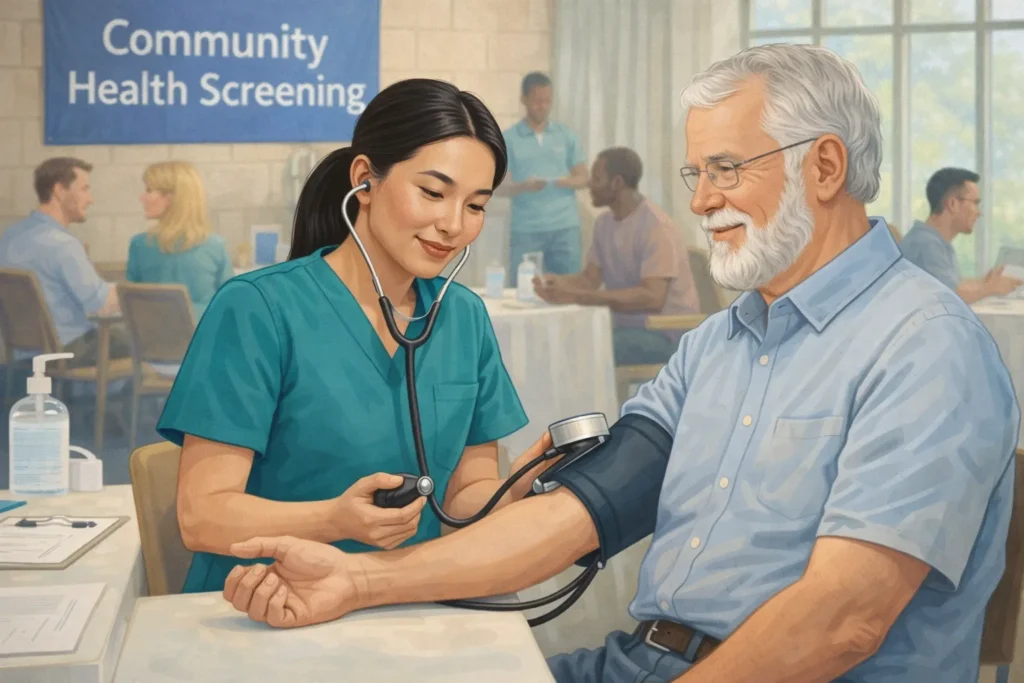
While most patients interact directly with their doctor, the primary health organization is often working in the background to make that interaction possible. PHOs fund and organize a wide array of services.
1. Chronic Disease Management
One of the most critical roles of a PHO is managing long-term conditions.
- Diabetes and Heart Disease: PHOs fund specialized nurses and clinics to help patients manage chronic illnesses, preventing hospital admissions.
- Care Plans: They facilitate the creation of long-term care plans that involve dietitians, physiotherapists, and GPs working together.
2. Mental Health Support
Mental health is increasingly recognized as a cornerstone of primary care. PHOs often subsidize sessions with counselors or psychologists, making mental health support more affordable and accessible at the primary level, rather than waiting for a crisis to occur.
3. Health Promotion and Education
Prevention is better than cure. PHOs invest heavily in community education programs.
- Smoking Cessation: Running programs to help people quit smoking.
- Nutritional Advice: providing resources for healthy eating in schools and community centers.
- Screening Programs: Organizing breast, cervical, and bowel cancer screenings.
4. After-Hours Care
Illness doesn’t stick to a 9-to-5 schedule. PHOs coordinate after-hours medical services, ensuring that communities have access to urgent care on weekends and evenings without needing to overcrowd hospital emergency departments.
How PHOs Benefit Patients
For the average person, the benefits of being enrolled with a provider under a primary health organization are tangible and immediate.
Lower Costs
Enrollment usually translates to subsidized visits. Because the PHO receives government funding based on its enrolled population, it can pass those savings on to patients, resulting in cheaper doctor visits and lower prescription costs.
Continuity of Care
When practices are united under a PHO, sharing information becomes easier. If you see a different doctor within the same network or require a referral to a specialist, your health records and history can be transferred more seamlessly, reducing the need for you to repeat your medical history.
Targeted Care for Vulnerable Populations
PHOs often have a mandate to address health inequities. They direct specific funding and resources toward high-needs groups, including low-income families, the elderly, and specific ethnic communities that may historically have had poor health outcomes.
The Difference Between PHOs and HMOs
It is easy to confuse a primary health organization with other acronyms in the medical world, specifically Health Maintenance Organizations (HMOs), which are common in the United States.
Ownership and Profit
- HMOs (Health Maintenance Organizations): typically insurance-driven entities focused on managing costs for insurance plans. They often restrict patients to a specific network of providers.
- PHOs: Usually non-profit, community-focused entities funded by the public health system. Their primary goal is population health improvement rather than insurance cost containment.
Focus of Care
While both focus on primary care networks, PHOs generally have a broader remit that includes community development, public health initiatives, and social determinants of health (like housing and education), whereas HMOs focus primarily on clinical service delivery.
Enrollment: Why It Matters
To access the benefits of a primary health organization, patients must usually “enroll” with a specific general practice that belongs to the PHO.
The Funding Formula
PHOs are funded based on “capitation.” This means they receive a set amount of money for every person enrolled, regardless of how often that person visits the doctor. This funding model encourages PHOs to keep their population healthy. If people stay healthy and visit the doctor less, the PHO has more resources to invest in preventative measures.
Patient Responsibility
Enrollment is voluntary but highly recommended. Casual patients (those not enrolled) often pay significantly higher fees for consultations because the practice does not receive PHO subsidy funding for them.
Challenges Facing Primary Health Organizations
Despite their vital role, PHOs face significant hurdles in the current healthcare climate.
Workforce Shortages
There is a global shortage of general practitioners and primary care nurses. PHOs struggle to recruit and retain staff, especially in rural areas. This puts pressure on existing clinics and can lead to longer wait times for appointments.
Funding Constraints
With aging populations and the rising cost of medical technology, government funding often lags behind the actual cost of delivering care. PHOs must constantly innovate to do more with less.
Managing Complex Conditions
As the population ages, more patients are presenting with “multimorbidity”—having two or more chronic conditions at once. Coordinating care for these complex patients requires significant time and resources, straining the PHO model.
The Future of Primary Health Organizations
The role of the primary health organization is evolving. As technology advances and health needs change, PHOs are adapting to ensure they remain relevant and effective.
Digital Health Integration
Telehealth is becoming a standard part of primary care. PHOs are leading the charge in implementing secure patient portals, online booking systems, and virtual consultations. This not only improves convenience for patients but also helps manage the workload for clinicians.
Integrated Health Homes
The future lies in “integrated care.” This moves beyond just doctors and nurses. Future PHO models will likely see closer integration with social workers, housing agencies, and community groups to address the social determinants that drive poor health.
Focus on Equity
There is a growing push for PHOs to be more accountable for closing the health gap. Expect to see more targeted initiatives designed to eliminate disparities in health outcomes between different socioeconomic and ethnic groups.
How to Find Your Local PHO
If you are unsure which primary health organization your doctor belongs to, it is easy to find out.
- Ask Reception: Your medical center reception staff can tell you immediately.
- Check the Website: Most clinics list their PHO affiliation on their “About Us” page.
- Government Directories: National health ministry websites often have directories of all registered PHOs and the practices they cover.
Conclusion
A primary health organization acts as the unseen engine of the community healthcare system. By unifying practices, managing funding, and prioritizing preventative care, they ensure that health services are not just a luxury for the few, but a reliable resource for the many.
For patients, understanding the role of a PHO highlights the importance of enrolling with a GP and utilizing the subsidized services available. For the healthcare system, the PHO remains the most effective tool for managing population health and ensuring sustainability. As we look toward a future of digital integration and holistic care, the PHO will undoubtedly remain at the center of a healthy society.
FAQs
What is the main purpose of a Primary Health Organization?
The main purpose is to ensure the provision of essential primary health care services to an enrolled population. They coordinate services between doctors, nurses, and other health providers to improve community health outcomes and reduce inequalities.
Is a PHO the same as a DHB (District Health Board)?
No. In systems like New Zealand’s, a District Health Board (or its modern equivalent, like Health NZ) is a government entity responsible for hospitals and overall regional health. A PHO focuses specifically on community-based primary care (GPs) and receives funding from the central health authority to do so.
Do I have to pay to join a PHO?
No, you do not pay the PHO directly. You enroll with a General Practice (GP) that is a member of a PHO. Enrollment itself is free and usually entitles you to subsidized (cheaper) doctor visits and prescription medicines.
Can I belong to more than one PHO?
No. You can only be enrolled with one General Practice at a time, and therefore, you are linked to only one PHO. You can visit other doctors as a “casual” patient, but you will not get the funding benefits associated with enrollment.
What happens if I don’t enroll with a PHO?
If you do not enroll, you are considered a “casual” patient. This usually means you will pay significantly higher fees for doctor’s visits because the government subsidy for your care is not being passed on to the clinic.

Sofia Bennett is a fashion writer and style observer known for her clean sense of aesthetics and trend analysis. She has covered fashion shows, reviewed designer collections, and interviewed independent creators. Sofia specializes in connecting fashion with real-life lifestyle choices, helping readers understand what looks good — and why.