

One of the most surprising things new nannies discover isn’t how tired they feel after a full day or how attached they become to the children it’s how much what they wear affects their work. The wrong outfit can turn a normal day into an uncomfortable one. Shoes that rub, tops that ride up, or fabrics that trap heat quickly become constant distractions. On the other hand, the right nanny outfit almost disappears from your awareness, letting you move, bend, play, and comfort without thinking twice.
Nanny outfits are not about looking fashionable or blending into an office environment. They are about showing up prepared for real life life with children who spill, climb, run, cry, laugh, and need you in the moment. Whether you’re a professional nanny, an au pair, a babysitter, or a parent hiring childcare, understanding what truly works in nanny clothing makes a meaningful difference.
This article explores nanny outfits from a practical, real-world perspective, focusing on comfort, professionalism, and daily functionality without losing warmth or personal style.
Why What a Nanny Wears Matters More Than People Realize
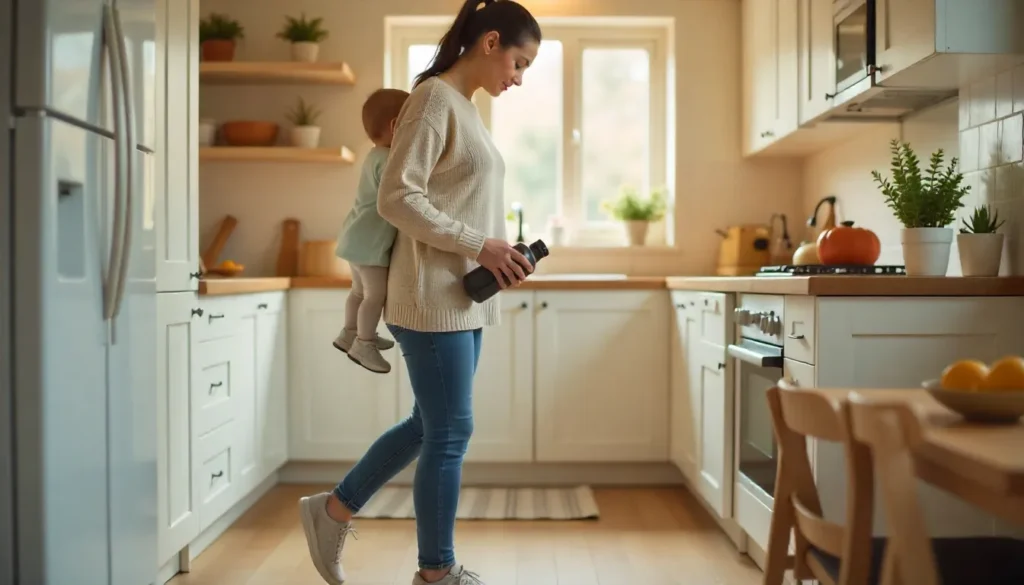
Clothing shapes how we move, how we feel, and how we are perceived. In nannying, where trust is essential and the work is deeply physical, outfits play a quiet but powerful role.
For nannies, clothing affects stamina, confidence, and even long-term physical health. For parents, a nanny’s appearance contributes often subconsciously to feelings of reliability and professionalism. Children, too, respond to caregivers who look approachable and comfortable.
Unlike many jobs, nannying exists in private homes and public spaces at the same time. A nanny may go from floor play to grocery shopping to school pickup in one outfit. That versatility requires thoughtful choices rather than random ones.
The Unique Challenges of Dressing for Childcare Work
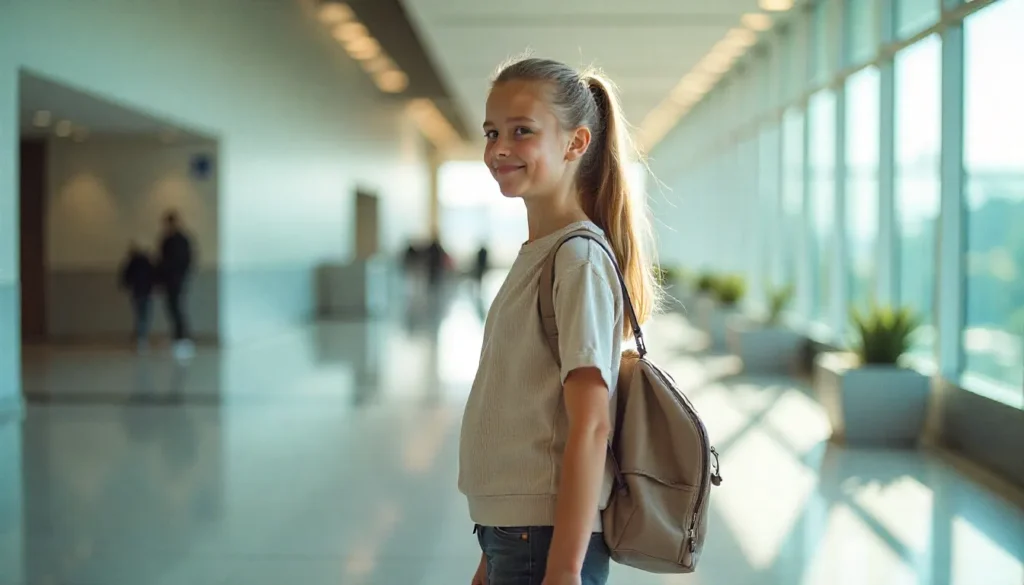
Nannying combines emotional labor with physical demand. You lift children, crouch, kneel, run, carry bags, push strollers, and often do it all for hours at a time. Clothing must support this movement without restricting it.
Mess is unavoidable. From food spills to craft supplies, clothing takes a daily beating. Nanny outfits need to withstand frequent washing and still look presentable.
Temperature changes also play a role. Many caregivers move between warm indoor spaces and colder outdoor environments multiple times a day. Without layers, staying comfortable becomes difficult.
Finally, nannying requires maintaining boundaries. Clothing should be appropriate and respectful while still feeling natural and authentic.
The Key Elements of a Good Nanny Outfit
At the heart of every successful nanny outfit are three essential elements: comfort, practicality, and professionalism.
Comfort means clothing should move with your body, not against it. Stretch fabrics, breathable materials, and soft textures help caregivers stay focused and energized throughout long days.
Practicality means clothing must support the job. Pants that allow bending, tops that stay in place, and shoes that provide real support are essential. Deep pockets, durable stitching, and easy-care fabrics add to overall functionality.
Professionalism does not require formal wear. In nannying, professionalism shows through cleanliness, intentionality, and appropriateness. Clothes should reflect respect for the role and the household without appearing stiff or impersonal.
Everyday Nanny Outfits That Work in Real Life
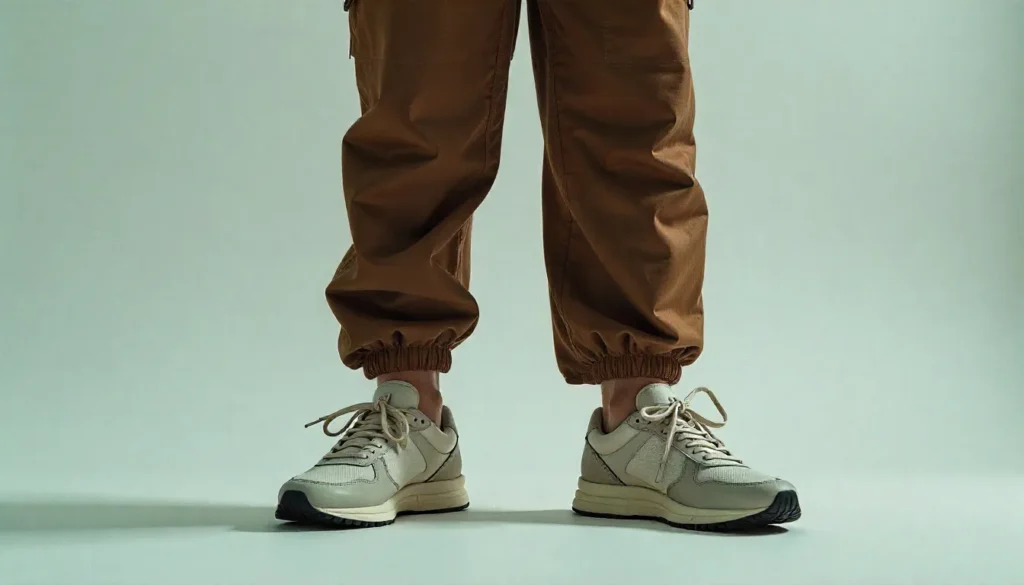
Most experienced nannies rely on reliable outfit combinations that reduce decision fatigue and hold up to daily demands.
A common and effective combination includes a breathable top, flexible bottoms, and supportive footwear. Tops often consist of cotton or moisture-wicking T-shirts, long-sleeve tees, or lightweight sweaters in neutral shades. These pieces layer easily and don’t draw unwanted attention.
Bottoms are typically stretch jeans, joggers, leggings designed for movement, or casual trousers with elastic or flexible waistbands. Coverage and comfort matter more than trendiness.
Footwear is arguably the most important piece of any nanny outfit. Supportive sneakers or flat shoes protect joints and reduce fatigue, especially for caregivers who walk frequently or stand for long periods.
Dressing Based on the Children’s Age
The age of the children a nanny cares for greatly influences outfit choices.
Infant care often involves frequent spills and physical closeness. Soft, washable fabrics and darker colors help manage inevitable messes. Clothes without sharp buttons or rough textures are gentler on babies.
Toddler care demands durability. Running, lifting, and outdoor play require clothing that stretches and stays secure. Shoes need strong traction and support for active movement.
For school-aged children, outfits can be slightly more polished, especially for school pickups or activities. Still, flexibility and comfort remain priorities, especially during after-school play.
Nanny Outfits for Different Work Environments
Work environments shape wardrobe needs.
A nanny in a relaxed household may dress more casually, focusing on comfort and durability. In more formal households, expectations may lean toward structured yet still comfortable clothing.
Live-in nannies often create a clear distinction between work clothes and personal clothes to help maintain boundaries. This separation supports mental well-being as well as professionalism.
Travel nannies benefit from versatile wardrobes. Clothing should be easy to pack, adaptable across activities, and comfortable for long days in transit.
Seasonal Planning for Nanny Clothing
Seasonal changes significantly affect nanny outfit choices.
Summer nanny outfits prioritize breathability and sun protection. Lightweight fabrics and comfortable shoes help prevent overheating during outdoor activities.
Fall and spring require layers. Light jackets, cardigans, and hoodies allow nannies to adapt to temperature changes throughout the day.
Winter outfits focus on warmth and safety. Insulated coats, slip-resistant boots, and moisture-wicking layers help caregivers stay comfortable during cold weather while remaining active.
Balancing Personal Style and Professional Appearance
Nanny outfits don’t need to erase personal identity. Many caregivers express style through subtle color choices, textures, or layering while staying appropriate.
The goal is moderation. Clothing should never interfere with safety, movement, or the family’s comfort level. When style complements function, caregivers feel more confident and authentic.
Feeling good in what you wear often leads to better energy, patience, and presence—qualities that matter deeply in childcare.
Accessories That Support the Nanny Lifestyle
Accessories in nanny outfits should serve a purpose. Functional bags help carry essentials while keeping hands free. Backpacks and crossbody bags are popular for their comfort and organization. Hair accessories that keep hair secure prevent distraction during active moments. Watches or smart devices help manage schedules without excessive phone use.
Each accessory should simplify the day, not complicate it.
Common Mistakes Nannies Make With Outfits
Many caregivers learn outfit lessons the hard way.
Wearing clothing that restricts movement is one of the most common mistakes. Delicate fabrics and stiff materials quickly become impractical.
Ignoring footwear quality can lead to long-term discomfort or injury. Supportive shoes are a necessity, not a luxury.
Over-accessorizing can also create safety risks, especially when working with younger children.
Lastly, failing to communicate with parents about expectations can lead to awkward situations. Clear conversations early on prevent misunderstandings.
Conclusion:
Nanny outfits are not about looking perfect they’re about feeling prepared. The right clothing supports movement, comfort, confidence, and professionalism, allowing caregivers to focus fully on children instead of distractions.
When nannies dress intentionally, they honor both the demands of the job and their own well-being. When parents understand the importance of practical attire, trust and collaboration grow stronger.
In a role built on care, patience, and presence, clothing should quietly support the work not compete with it. The best nanny outfits fade into the background, empowering caregivers to do what they do best every single day.
FAQs
What should a nanny wear on the first day?
A nanny’s first-day outfit should be comfortable, neat, and practical. Neutral colors, flexible pants, a simple top, and supportive shoes create a positive first impression without feeling overdone.
Are leggings acceptable nanny attire?
Yes, when they are opaque, well-fitted, and paired with longer tops. Many nannies prefer leggings because they offer comfort and mobility during active childcare tasks.
Do nannies need to dress professionally at all times?
Professionalism in nannying means dressing appropriately, not formally. Clean, functional clothing that respects the role and the family environment is considered professional.
What shoes are best for nanny work?
Supportive sneakers or flat shoes with cushioning and arch support are ideal. Nannies who walk or stand frequently should prioritize comfort and foot health.
Can parents set rules about nanny outfits?
Yes, parents can set guidelines, especially related to safety and appropriateness. These conversations work best when approached respectfully and discussed early in the working relationship.
Can nannies wear dresses while working?
Dresses can be appropriate if they allow easy movement and adequate coverage when bending or sitting. Stretchy, knee-length styles are usually most practical.
How many nanny outfits are needed?
A small rotation of five to seven reliable outfits is usually sufficient. Mixing and matching core pieces helps simplify daily dressing.
What should nannies avoid wearing?
Clothing that restricts movement, shows too much skin, has offensive graphics, or poses safety risks should be avoided. Unsupportive shoes are also a common mistake.

Sofia Bennett is a fashion writer and style observer known for her clean sense of aesthetics and trend analysis. She has covered fashion shows, reviewed designer collections, and interviewed independent creators. Sofia specializes in connecting fashion with real-life lifestyle choices, helping readers understand what looks good — and why.