
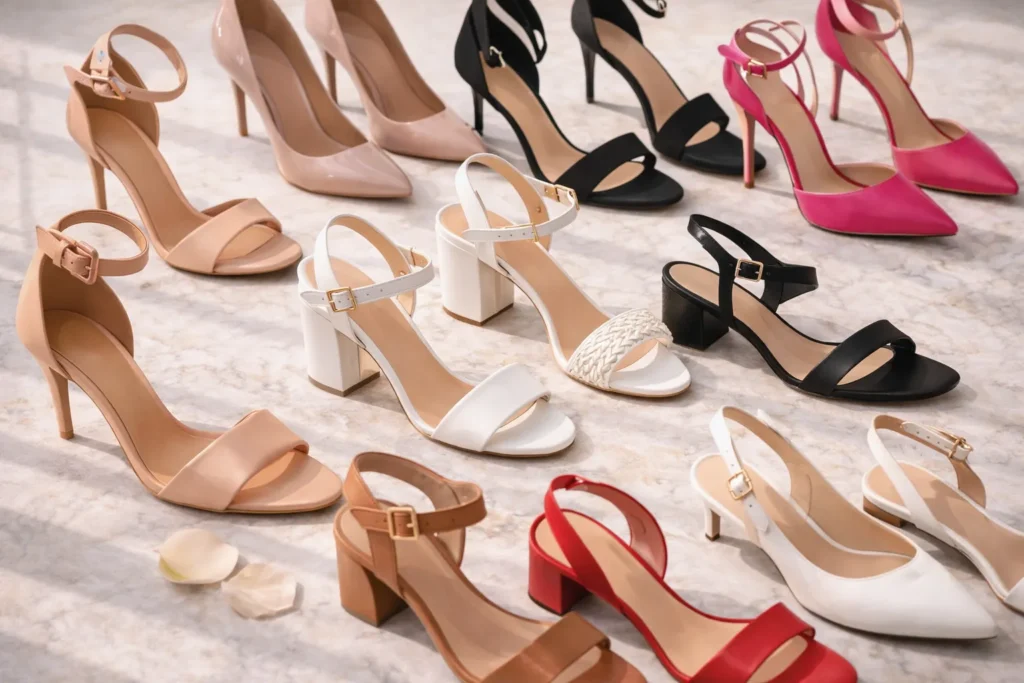
The right pair of shoes can change your entire look, and no footwear makes a statement quite like a great pair of heels. For centuries, heels for women have been a symbol of elegance, power, and fashion-forward style. From the boardroom to a wedding reception, they have the unique ability to elevate an outfit, improve posture, and boost confidence. But with an endless variety of styles, heights, and materials, choosing the right pair can feel like a daunting task.
This guide is designed to demystify the world of high heels. We will walk you through every popular style, from towering stilettos to comfortable block heels, and provide practical advice on how to choose the perfect pair for your needs. You will learn how to find comfortable heels, master the art of walking in them, and care for your investment. Get ready to step up your shoe game.
Why We Love Heels (and Why You Should, Too)
What is it about a pair of heels that makes them so captivating? Their enduring appeal lies in a combination of aesthetic enhancement and psychological empowerment.
The Power of Posture
Slipping on a pair of heels instantly changes your body’s alignment. Your back straightens, your shoulders go back, and your walk becomes more deliberate. This shift in posture not only creates a more graceful silhouette but can also project an air of confidence and authority.
An Instant Style Elevator
Heels have a transformative effect on clothing. A simple pair of jeans and a t-shirt looks more put-together with a pair of pumps. A cocktail dress looks more formal and elegant. They are a simple tool to take any outfit from casual to chic in seconds.
The Illusion of Length
Heels are celebrated for their ability to elongate the legs. This creates a longer, leaner line that many find flattering. Whether you opt for a modest kitten heel or a dramatic stiletto, the added height contributes to a more streamlined appearance.
A Comprehensive Guide to Heel Styles
The term “heels for women” covers a vast array of footwear. Understanding the different types is the first step to building a versatile shoe collection. Let’s break down the most popular styles.
The Stiletto
The most iconic of all high heels, the stiletto is defined by its very thin, tall heel.
- Heel Height: Typically 3 inches or higher.
- Characteristics: Sharp, slender, and undeniably sexy. Stilettos create a dramatic arch and are the go-to for formal events and nights out.
- Best For: Cocktail parties, black-tie events, and making a bold statement. They require balance and are not ideal for long periods of walking or standing.
The Pump
The pump is the quintessential classic heel. It’s a closed-toe shoe that is typically more substantial than a stiletto but still sleek.
- Heel Height: Can range from 2 to 4 inches.
- Characteristics: Timeless, versatile, and professional. The heel is wider than a stiletto, offering more stability. They often have a low-cut front that exposes the top of the foot.
- Best For: Office wear, interviews, weddings, and virtually any occasion that calls for a touch of polish.
The Block Heel
As its name suggests, the block heel is solid and rectangular or cylindrical. This style has seen a massive resurgence in popularity due to its blend of height and stability.
- Heel Height: Varies from low (1 inch) to high (4+ inches).
- Characteristics: Modern, comfortable, and stable. The wide base distributes weight more evenly, reducing pressure on the ball of the foot.
- Best For: Everyday wear, outdoor events (they don’t sink into grass!), and for those who want height without the discomfort of a thinner heel.
The Wedge
Wedge heels have a sole that is one solid piece from front to back, with the heel portion being higher than the front.
- Heel Height: Can be low or very high.
- Characteristics: Casual, comfortable, and summery. Like block heels, they offer excellent stability and support across the entire foot.
- Best For: Summer parties, brunches, vacations, and casual outings. Espadrille wedges are a warm-weather classic.
The Kitten Heel
A kitten heel is a short, slender heel, usually under 2 inches high. It offers a little bit of lift without the commitment of a high heel.
- Heel Height: Typically 1.5 to 2 inches.
- Characteristics: Chic, retro, and comfortable. They provide a touch of elegance and are easy to walk in.
- Best For: The office, long days on your feet, and for individuals who are new to wearing heels or prefer lower heights.
The Platform Heel
Platform heels feature a thick sole at the front of the shoe. This platform effectively reduces the “actual” heel height and pitch of the foot, making very high heels more manageable.
- Heel Height: Can be very high (5+ inches), but the platform (e.g., 1 inch) reduces the incline.
- Characteristics: Bold, dramatic, and surprisingly comfortable for their height.
- Best For: Parties, concerts, and fashion-forward looks.
Other Notable Styles
- Slingback: Features a strap that goes around the back of the ankle, leaving the heel exposed.
- Mule: A backless shoe that you slide your foot into.
- Cone Heel: Wider at the sole and tapers to a narrow point.
- Spool Heel (Louis Heel): Wider at the top and bottom and narrower in the middle, resembling a spool of thread.
How to Choose Comfortable Heels
The phrase “comfortable heels” might sound like an oxymoron, but it doesn’t have to be. With the right knowledge, you can find heels for women that won’t leave you in pain.
1. Material Matters
- Leather: Genuine leather is often the best choice. It’s breathable and will stretch and mold to the shape of your foot over time.
- Suede: A softer type of leather that is also very comfortable but requires more care.
- Synthetics: Can be less forgiving and may cause sweating. However, modern synthetic materials have improved greatly.
2. Pay Attention to the Pitch
The “pitch” is the angle of the slope between the heel and the toe. A steeper pitch puts more pressure on the balls of your feet. A shoe with a slight platform, even a hidden one, can significantly reduce the pitch and increase comfort.
3. The “Rule of Thumb” for Toe Room
Ensure there is about half an inch of space—roughly the width of your thumb—between your longest toe and the end of the shoe. Your toes should never feel cramped or squished. For pointed-toe heels, you may need to go up a half size.
4. Cushioning is Key
Look for heels with built-in padding or a cushioned insole. This small feature can make a world of difference, especially for the ball of the foot where most of the pressure is concentrated. You can also purchase gel insoles to add to any pair of heels.
5. Shop in the Afternoon
Your feet naturally swell throughout the day. To get the most accurate fit, try on and buy shoes in the late afternoon or evening. This will prevent you from buying a pair that feels fine in the morning but painfully tight by night.
Mastering the Walk: How to Move Gracefully in Heels
Walking in heels is a skill. It requires practice and a slight adjustment to your natural gait.
- Heel-to-Toe is a Myth: For very high heels, placing your whole foot down at once or landing more on the ball of your foot is more stable. For lower heels like pumps or block heels, you can use a more natural heel-to-toe stride.
- Take Smaller Steps: You can’t take long, powerful strides in stilettos. Shorten your stride and take smaller, more deliberate steps.
- Engage Your Core: Good posture is essential. Engage your abdominal muscles, keep your shoulders back, and look straight ahead, not down at your feet. This helps with balance.
- Swing Your Hips: Let your hips sway naturally as you walk. This movement will help you maintain balance and create an elegant, confident walk.
- Practice on Different Surfaces: Practice walking at home on carpet, then on hardwood floors. Once you feel confident, try walking on uneven pavement outside.
Caring for Your Heels to Make Them Last
High-quality heels are an investment. With proper care, they can last for years.
- Protect the Soles: The soles of new shoes can be slippery and wear down quickly. A cobbler can add a thin rubber sole for traction and protection.
- Replace Heel Taps: The small plastic or rubber cap on the bottom of a thin heel is called the tap. These wear down quickly. Replace them as soon as you see the metal nail peeking through to avoid damaging the heel structure and your floors.
- Weatherproof Them: Before the first wear, spray leather or suede heels with a waterproofing spray to protect them from stains and water damage.
- Clean and Condition: Wipe down leather heels with a soft cloth after each wear. Use a specialized leather conditioner periodically to keep the material supple and prevent cracking. Use a suede brush for suede shoes.
- Store Properly: Don’t just toss your heels in a pile at the bottom of your closet. Store them in their original box or on a shoe rack to help them maintain their shape. Use shoe trees for high-end pairs.
Conclusion: Step into Your Power
Heels for women are far more than just footwear. They are a powerful tool for self-expression, a nod to timeless elegance, and a way to add a finishing touch of confidence to any look. By understanding the different styles, prioritizing a comfortable fit, and learning how to care for them, you can build a collection of heels that not only looks fantastic but also feels great.
Whether you are stepping into your first pair of kitten heels or adding another stiletto to your wardrobe, embrace the power that comes with them. Find the styles that speak to you, wear them with confidence, and walk tall.
Frequently Asked Questions (FAQs)
Q1: How can I stop my feet from slipping forward in heels?
A: This is a common problem. You can use gel inserts designed for the ball of the foot. These not only provide cushioning but also have a slightly tacky surface that grips your foot and prevents it from sliding. T-strap or ankle-strap styles also help secure your foot.
Q2: What is the most comfortable heel height?
A: For most people, a heel height between 1.5 and 3 inches offers the best balance of lift and comfort. Block heels and wedges at this height are particularly manageable for all-day wear.
Q3: Can wearing heels permanently damage my feet?
A: Frequent wear of very high, narrow heels can contribute to issues like bunions, hammertoes, and strained tendons. To minimize risk, vary your heel height, choose shoes with wider toe boxes, and make sure to wear flats or sneakers on other days to give your feet a rest.
Q4: Are expensive heels always more comfortable?
A: Not necessarily. While luxury brands often use higher-quality materials and more ergonomic designs, comfort is ultimately subjective and depends on the shape of your foot. A well-designed, affordable heel can be more comfortable than a poorly designed expensive one. The fit is the most important factor.
Q5: How do I break in a new pair of heels without getting blisters?
A: Wear thick socks and walk around your house in the new heels for a few hours. The socks will help stretch the material in any tight spots. You can also use a shoe stretcher or take them to a cobbler. For preventing blisters, apply a blister-prevention stick or moleskin to friction-prone areas like the back of your heel and your pinky toes before you wear them out.

Sofia Bennett is a fashion writer and style observer known for her clean sense of aesthetics and trend analysis. She has covered fashion shows, reviewed designer collections, and interviewed independent creators. Sofia specializes in connecting fashion with real-life lifestyle choices, helping readers understand what looks good — and why.