Health information technology (HIT) encompasses the comprehensive management and exchange of health information through electronic systems designed to store, share, and analyze patient care data. From electronic health records (EHRs) that document every clinical encounter to sophisticated interoperability frameworks enabling seamless data exchange between providers, HIT has fundamentally transformed modern healthcare delivery. As the industry continues its digital evolution, understanding health IT systems, implementation strategies, regulatory frameworks, and career opportunities has become essential for healthcare professionals, administrators, and technology specialists alike.
This comprehensive guide examines not only the foundational concepts of health information technology but also the latest regulatory updates shaping the industry, practical implementation strategies for healthcare organizations, emerging trends including artificial intelligence integration, and the diverse career paths available in this rapidly growing field. Whether you’re a healthcare provider navigating EHR selection, a student exploring health IT careers, or an administrator planning a digital transformation, this resource provides the depth and breadth needed to make informed decisions in today’s complex healthcare technology landscape.
What is Health Information Technology? (Definition and Scope)
Health information technology refers to the electronic systems healthcare organizations use to collect, store, protect, and transmit patient health information. At its core, HIT encompasses the hardware, software, integrated technologies, and organizational processes that create, manage, and use health data to support clinical decision-making, improve patient outcomes, and streamline healthcare operations. The scope of health IT extends far beyond simple digitized records—it represents a fundamental infrastructure that connects patients, providers, pharmacies, laboratories, insurers, and public health agencies in an integrated information ecosystem.
Modern health information technology serves multiple critical functions: maintaining comprehensive patient records through electronic health record systems, facilitating secure data exchange via health information exchanges (HIEs), supporting clinical decision-making through computerized provider order entry (CPOE) and clinical decision support (CDS) tools, enabling remote care delivery through telemedicine platforms, and empowering patients through accessible patient portals. These interconnected systems work together to create a more efficient, safer, and patient-centered healthcare delivery model.
HIT vs. Health Information Management (HIM)
While often used interchangeably, health information technology and health information management represent distinct but complementary disciplines. Health information technology focuses on the technological infrastructure—the systems, software, networks, and hardware that enable digital health information capture and exchange. In contrast, health information management concentrates on the governance, quality, and strategic use of health data. HIM professionals are the stewards who ensure data accuracy, maintain compliance with regulations like HIPAA, manage coding and billing processes, and develop policies for data retention and privacy.
The relationship between these fields is symbiotic: HIM professionals rely on HIT systems to perform their essential functions, while IT specialists depend on HIM expertise to ensure systems meet clinical documentation requirements and regulatory standards. A hospital’s electronic health record represents the technological platform (HIT), while the medical records technician who maintains data quality, assigns diagnostic codes, and ensures proper documentation represents the management function (HIM). Together, these disciplines create the foundation for effective health data utilization.
The Four Pillars of Modern HIT
Contemporary health information technology infrastructure rests on four fundamental pillars that together create a comprehensive digital healthcare ecosystem:
- Interoperable Clinical Data Exchange: The ability for different health IT systems to communicate and share patient information seamlessly across organizational boundaries. This pillar relies on standardized data formats like FHIR (Fast Healthcare Interoperability Resources) and HL7, enabling a patient’s records from their primary care physician to be instantly accessible to emergency room clinicians or specialists. Interoperability represents the cornerstone of coordinated care, preventing redundant testing, reducing medical errors, and ensuring clinicians have complete information when making treatment decisions.
- E-Prescribing Systems: Electronic prescribing platforms that allow healthcare providers to send accurate, error-free prescriptions directly to pharmacies electronically. E-prescribing systems integrate with EHRs, automatically check for dangerous drug interactions, alert prescribers to patient allergies, and provide real-time information about insurance formularies and medication costs. This technology has dramatically reduced prescription errors caused by illegible handwriting while improving medication adherence through streamlined pharmacy workflows.
- Electronic Public Health Reporting: Automated systems that transmit reportable disease information, immunization data, syndromic surveillance, and vital statistics from healthcare providers to public health agencies. This pillar proved its critical value during the COVID-19 pandemic, enabling real-time tracking of case counts, vaccination rates, and emerging variants. Electronic reporting transforms public health from a reactive discipline relying on delayed manual reports to a proactive surveillance system capable of detecting and responding to health threats rapidly.
- Patient Access and Engagement: Digital tools that empower patients to actively participate in their healthcare through patient portals, mobile health applications, and remote monitoring devices. These platforms provide patients with 24/7 access to their medical records, test results, medication lists, and visit summaries. Modern patient portals also facilitate secure messaging with care teams, appointment scheduling, prescription refills, and even telehealth consultations—transforming patients from passive recipients of care into engaged partners in managing their health.
Key Technologies and Systems in Health IT
The health information technology ecosystem comprises numerous interconnected systems, each designed to address specific aspects of healthcare delivery, administration, and patient engagement. Understanding these core technologies is essential for healthcare organizations planning digital transformations and professionals seeking to advance their HIT expertise.
Electronic Health Records (EHR)
Electronic health records represent the cornerstone of modern health IT infrastructure. An EHR is a digital version of a patient’s comprehensive medical history, maintained by healthcare providers over time. Unlike the more limited electronic medical record (EMR), which typically remains confined to a single practice or health system, an EHR is designed to be shared with other healthcare providers across different organizations. This distinction is critical: an EMR functions as a digital replacement for paper charts within one facility, while an EHR creates a longitudinal patient record that follows individuals throughout their healthcare journey, accessible to any authorized provider regardless of location.
Certified EHR technology must meet stringent requirements established by the Office of the National Coordinator for Health Information Technology (ONC). These certification criteria ensure EHRs can capture and share standardized data elements, support clinical decision support, facilitate quality measurement, and maintain robust privacy and security protections. Major EHR vendors dominate the healthcare landscape: Epic Systems holds approximately 31% of the acute care hospital market, Cerner (now Oracle Health) commands roughly 25%, while Meditech, CPSI, and others serve smaller hospitals and specialized facilities. For ambulatory practices, vendors like athenahealth, eClinicalWorks, and NextGen compete alongside the hospital-focused platforms that offer integrated outpatient modules.
The selection of an EHR vendor represents one of the most consequential decisions a healthcare organization makes, with implementations often costing millions of dollars for hospitals and hundreds of thousands for physician practices. Beyond purchase price, organizations must consider total cost of ownership including annual maintenance fees, interface costs, upgrade expenses, and the substantial hidden costs of workflow disruption during implementation and ongoing optimization efforts.
Interoperability and Health Information Exchange (HIE)
Interoperability—the ability of different information systems to access, exchange, integrate, and cooperatively use data in a coordinated manner—represents perhaps the most challenging and critical aspect of health information technology. Despite decades of investment, achieving true interoperability remains an elusive goal, with healthcare providers still routinely resorting to faxing records or manually entering data from one system into another. The lack of seamless interoperability contributes to medical errors, unnecessary duplicate testing, care delays, and billions in wasted healthcare spending annually.
Health information exchanges serve as intermediaries that facilitate the electronic movement of health information between organizations. HIEs can take various forms: statewide or regional cooperatives funded by government grants and participant fees, vendor-operated commercial networks, or private exchanges established by large health systems. The technical standards underlying these exchanges have evolved significantly. HL7 Version 2 messages, while still widely used for specific transactions like laboratory results, are gradually being supplemented and replaced by FHIR (Fast Healthcare Interoperability Resources), a modern standard that uses web-based APIs to enable more flexible, granular data exchange.
The Trusted Exchange Framework and Common Agreement (TEFCA), established under the 21st Century Cures Act, aims to create a universal interoperability framework by designating Qualified Health Information Networks (QHINs) that agree to common legal and technical requirements for nationwide data exchange. As of 2024, several organizations have been recognized as QHINs, marking a significant step toward the goal of enabling any authorized healthcare provider to access a patient’s health information regardless of where care was originally delivered. However, practical implementation challenges, including matching patients across systems, ensuring data quality, and aligning financial incentives, continue to impede progress toward truly universal health information exchange.
Clinical Decision Support (CDS) and Computerized Provider Order Entry (CPOE)
Computerized Provider Order Entry systems require clinicians to enter medical orders electronically rather than writing them on paper or verbally communicating them to nursing staff. This seemingly simple change has profound safety implications: studies have demonstrated that CPOE can reduce medication errors by up to 80% by eliminating illegible handwriting, ensuring complete order information, and enabling real-time safety checks. However, CPOE represents only part of the safety equation—its effectiveness multiplies when combined with robust clinical decision support.
Clinical decision support systems provide clinicians with patient-specific information, intelligently filtered and presented at appropriate times, to enhance health decisions and improve patient care. CDS takes many forms: alerts that warn of dangerous drug-drug interactions or patient allergies, reminders about preventive care services due, order sets that guide evidence-based treatment for specific conditions, and diagnostic support tools that suggest possible diagnoses based on presenting symptoms and test results. The most sophisticated CDS systems leverage machine learning to identify patterns in patient data that might indicate deterioration risk or suggest optimal treatment pathways.
Despite their potential, CDS systems face significant usability challenges. Alert fatigue—the desensitization that occurs when clinicians are bombarded with excessive or irrelevant alerts—represents a critical problem, with studies showing override rates exceeding 90% for some alert types. Effective CDS design requires careful attention to alert frequency, relevance, actionability, and integration into clinical workflows. The most successful implementations focus on high-value interventions, minimize interruptions, and continuously refine algorithms based on clinician feedback and utilization data.
Telehealth and Remote Patient Monitoring
The COVID-19 pandemic accelerated telehealth adoption from a niche service to a mainstream care delivery modality. Telehealth encompasses a broad range of technologies enabling remote clinical services: synchronous video consultations that replicate traditional office visits, asynchronous store-and-forward platforms where providers review patient-submitted images or data, and remote patient monitoring systems that continuously collect and transmit physiological measurements. What began as an emergency response to pandemic social distancing requirements has evolved into a permanent transformation of healthcare access and delivery.
Remote patient monitoring represents a particularly promising subset of telehealth technology, especially for managing chronic conditions. Patients with heart failure, diabetes, hypertension, or COPD can use connected devices that automatically transmit blood pressure, blood glucose, weight, oxygen saturation, and other vital signs to their care teams. Algorithms monitor this data for concerning trends, triggering alerts that enable proactive intervention before patients require emergency care or hospitalization. Studies have demonstrated that well-designed remote monitoring programs can reduce hospital readmissions by 25-30% while improving patient satisfaction and quality of life.
The regulatory and reimbursement landscape for telehealth continues to evolve rapidly. During the pandemic, CMS and private insurers dramatically expanded coverage, allowing providers to bill for telehealth visits at parity with in-person encounters and relaxing geographic and originating site restrictions. While some of these flexibilities have since expired or been modified, many provisions have been extended or made permanent, reflecting growing recognition of telehealth’s value in improving access, particularly for rural populations and individuals with mobility limitations.
Patient Portals
Patient portals serve as secure online gateways where patients can access their personal health information, communicate with providers, and manage various aspects of their care. According to recent data, approximately 97% of U.S. hospitals now offer patient portals, representing near-universal availability. However, actual patient usage tells a more sobering story, with adoption rates hovering around 57% despite widespread availability. This gap between availability and utilization highlights persistent barriers including digital literacy challenges, limited awareness of portal capabilities, perceived complexity, and lack of meaningful engagement strategies by healthcare organizations.
Modern patient portals extend far beyond simple record viewing. Comprehensive portals enable patients to review laboratory and imaging results often with same-day release, request prescription refills, schedule appointments, complete pre-visit questionnaires, access visit summaries and after-visit instructions, pay bills, and exchange secure messages with their care team. Leading-edge implementations integrate telehealth capabilities directly into portals, allowing patients to initiate video visits without separate applications. Some systems even provide personalized health education content, medication reminders, and tools for tracking health goals and symptoms.
The 21st Century Cures Act has significantly enhanced patient portal functionality by requiring healthcare providers to provide patients with immediate electronic access to their health information without delay, including clinical notes. This transparency represents a fundamental shift in the patient-provider dynamic, empowering patients with the same information clinicians use while also creating new responsibilities for providers to communicate clearly and empathetically in documentation. Early research suggests that note access increases patient engagement and understanding, though concerns about potential anxiety from reading medical terminology and preliminary results remain subjects of ongoing study and debate.
The Evolution of HIT: From HITECH to the Cures Act
Understanding health information technology’s current state requires examining the legislative and regulatory frameworks that have shaped its development. Federal health IT policy has evolved from early voluntary adoption efforts through aggressive incentive programs to increasingly stringent interoperability mandates, reflecting growing recognition of HIT’s critical role in healthcare quality and efficiency.
The HITECH Act and Meaningful Use (2009)
The Health Information Technology for Economic and Clinical Health (HITECH) Act, enacted as part of the 2009 American Recovery and Reinvestment Act, represented a watershed moment for health IT adoption. HITECH allocated $27 billion in incentive payments to encourage healthcare providers to adopt and meaningfully use certified electronic health record technology. This massive federal investment fundamentally transformed the healthcare technology landscape: before HITECH, only about 12% of hospitals and 17% of office-based physicians had adopted basic EHR systems. Within six years, adoption rates soared to nearly 96% of hospitals and 87% of office-based physicians.
The Meaningful Use program established increasingly demanding requirements across three stages. Stage 1 focused on data capture and sharing, requiring providers to demonstrate they could record patient demographics, maintain problem lists, e-prescribe, and exchange clinical information. Stage 2 advanced clinical processes, emphasizing patient engagement through portal access, electronic transmission of care summaries, and more sophisticated clinical decision support. Stage 3 (later renamed Promoting Interoperability) concentrated on improved outcomes, requiring providers to demonstrate use of decision support for high-priority conditions, active patient engagement in their care, and electronic exchange of health information to support care coordination.
While HITECH successfully accelerated EHR adoption, critics argue it prioritized quantity over quality, leading to widespread implementation of systems that met certification requirements but frustrated clinicians with poor usability and workflow disruption. The program’s focus on discrete data fields and structured documentation contributed to note bloat, copy-paste practices, and checkbox medicine that some believe has diminished the patient-centered nature of clinical encounters. Nevertheless, HITECH created the essential digital infrastructure foundation upon which subsequent interoperability and innovation efforts have built.
21st Century Cures Act and Information Blocking
The 21st Century Cures Act, signed into law in 2016, shifted federal health IT policy from promoting adoption to ensuring usability and interoperability. The Cures Act introduced transformative provisions aimed at eliminating information blocking—practices by healthcare providers, health IT developers, or health information exchanges that unreasonably restrict access to, exchange of, or use of electronic health information. The Act established severe penalties for information blocking, including civil monetary penalties up to $1 million per violation for developers and potential exclusion from federal programs for providers.
Key Cures Act provisions include requirements for standardized application programming interfaces (APIs) that allow patients to access their health information through third-party applications of their choice, prohibition of contract terms that restrict data sharing, and mandates for immediate access to test results without provider delay. The Office of the National Coordinator for Health Information Technology (ONC) issued implementing regulations that took effect in phases between 2020 and 2023, fundamentally reshaping expectations around health data ownership and access rights.
The information blocking provisions recognize eight narrow exceptions where restricting information exchange may be permissible, including preventing harm, protecting privacy, ensuring security, recovering reasonable costs, licensing content, maintaining system integrity, responding to infeasibility, and addressing health IT system performance. However, the burden of proving an exception applies falls on the actor restricting information, and exceptions must be interpreted narrowly. This regulatory framework represents a fundamental rebalancing of power, treating health information as belonging to patients rather than institutions or technology vendors.
TEFCA and the 2024 Interoperability Landscape
The Trusted Exchange Framework and Common Agreement (TEFCA) represents the federal government’s most ambitious attempt to create nationwide health information exchange infrastructure. Developed by ONC under Cures Act authority, TEFCA establishes a governance framework, common legal agreement, and technical standards that enable Qualified Health Information Networks (QHINs) to exchange data with each other and with participants. The TEFCA framework supports multiple exchange purposes including treatment, payment, healthcare operations, public health, and government benefits determination.
As of 2024, multiple organizations have been designated as QHINs, including the Sequoia Project’s eHealth Exchange, Carequality, CommonWell Health Alliance, and Epic’s Care Everywhere network. These QHINs collectively connect thousands of hospitals, health systems, and physician practices, creating an expansive nationwide exchange ecosystem. However, significant challenges remain: patient matching across systems without a universal identifier continues to create safety risks and inefficiencies, consent management requirements vary by state, and business models for sustaining exchange networks remain unclear as grant funding diminishes.
The TEFCA framework establishes five permitted exchange purposes, each with specific legal and technical requirements. Treatment exchange supports coordination of care between providers. Payment exchange facilitates claims processing and payment determination. Healthcare operations exchange enables quality improvement, care management, and population health activities. Public health exchange supports reporting to health agencies and response to health threats. Government benefits determination exchange assists agencies in confirming eligibility and preventing fraud. This purpose-based framework aims to balance the benefits of data exchange with privacy protections and stakeholder concerns about appropriate data use.
Future: HTI-1 Rule and Algorithm Transparency
The Health Data, Technology, and Interoperability (HTI-1) final rule, released in late 2023 and taking effect in phases through 2025, extends and refines previous Cures Act regulations. HTI-1 introduces groundbreaking transparency requirements for clinical decision support algorithms, particularly those utilizing artificial intelligence and machine learning. Health IT developers must now provide detailed information about CDS interventions, including their purpose, intended use, methodology, data sources, and any known limitations or biases. This transparency mandate responds to growing concerns about algorithmic bias and the black box nature of AI-driven clinical recommendations.
HTI-1 also expands standardized API requirements, mandating support for additional data classes including clinical notes, diagnostic imaging metadata, and social determinants of health information. The rule establishes more stringent EHR certification criteria, including usability and accessibility standards designed to reduce clinician burden and ensure health IT systems serve users with disabilities. Additionally, HTI-1 addresses electronic prior authorization, requiring payers and providers to support standardized FHIR-based prior authorization processes that could dramatically reduce administrative burden and accelerate care delivery for patients requiring pre-approval for treatments, procedures, and medications.
Why HIT Matters: Measurable Benefits and Outcomes
The massive investments healthcare organizations have made in health information technology are justified by documented improvements in patient safety, care quality, operational efficiency, and patient engagement. While implementation challenges are real and significant, the evidence base supporting HIT’s value continues to grow, demonstrating tangible benefits across multiple dimensions of healthcare delivery.
Improved Patient Safety and Quality of Care
Health information technology’s most compelling benefits relate to preventing medical errors and improving care quality. Research demonstrates that computerized provider order entry reduces medication errors by 48-80%, depending on the specific implementation and error types measured. These reductions translate directly to prevented adverse drug events, many of which would have resulted in patient harm, extended hospitalizations, or even deaths. CPOE eliminates errors caused by illegible handwriting, incomplete orders, and transcription mistakes while enabling real-time checking for dangerous drug interactions, inappropriate dosing, and patient allergies.
Bar-code medication administration (BCMA) systems add an additional safety layer by verifying the five rights of medication administration—right patient, right drug, right dose, right route, and right time—at the point of care. When nurses scan patient wristbands and medication barcodes before administration, the system immediately alerts them to any discrepancies. Studies show BCMA reduces medication administration errors by approximately 40%, with even larger reductions in serious errors with potential for patient harm. The combination of CPOE, CDS, and BCMA creates a comprehensive medication safety net, though it requires careful implementation and ongoing monitoring to maintain effectiveness.
Beyond medication safety, electronic health records improve care quality by ensuring comprehensive information availability. When emergency department physicians can instantly access a patient’s medication list, recent laboratory results, and relevant medical history from their primary care provider, they make better-informed decisions and avoid potentially dangerous treatments. EHRs also facilitate quality measurement and improvement by enabling automated identification of care gaps, such as patients overdue for cancer screenings, diabetic eye exams, or immunizations. This population health management capability allows practices to proactively reach out to patients rather than waiting for them to present for care.
Cost Reduction and Operational Efficiency
The economic case for health information technology has evolved significantly since early studies like the 2005 RAND Corporation analysis projected $81 billion in annual savings from widespread EHR adoption. While those savings proved overly optimistic due to implementation challenges and unanticipated costs, more recent research demonstrates measurable efficiency gains. Modern interoperability capabilities reduce duplicate testing—when providers can electronically access recent imaging studies or laboratory results rather than reordering them, they save both money and patient inconvenience. Studies suggest interoperability could eliminate 18% of imaging tests and 24% of laboratory tests currently performed unnecessarily due to lack of information access.
Health IT generates administrative efficiencies through automated eligibility checking, electronic claims submission, and digital prior authorization processes. The American Hospital Association estimates that hospitals could save $11 billion annually through full implementation of FHIR-based prior authorization standards that replace today’s manual, time-consuming fax-and-phone-based workflows. E-prescribing eliminates pharmacy callbacks for clarification, reduces dispensing errors, and enables automatic transmission of prior authorization requests when required, saving both provider and pharmacy staff time while improving patient satisfaction.
However, organizations must carefully consider total cost of ownership when evaluating HIT investments. Implementation costs extend far beyond software licensing and hardware purchases to include interface development, data migration, workflow redesign, extensive training, productivity losses during go-live periods, and ongoing optimization. Annual maintenance fees typically run 15-20% of initial system costs. Many organizations underestimate these expenses, leading to budget overruns and delayed benefit realization. Successful implementations require realistic financial planning that accounts for both obvious and hidden costs while establishing clear metrics for measuring return on investment.
Patient Engagement and Empowerment
Patient portals and mobile health applications have transformed passive patients into active participants in their healthcare. Access to test results, medication information, and clinical notes enables patients to better understand their health status and treatment plans. Research demonstrates that patients who actively engage with portals have better medication adherence, improved chronic disease control, and higher satisfaction with their care experience. Secure messaging capabilities allow patients to ask questions and receive guidance without scheduling office visits, improving access while reducing unnecessary appointments for issues that can be addressed electronically.
The ability to view clinical notes—a transparency mandate of the Cures Act—has proven particularly impactful. Studies from organizations implementing OpenNotes initiatives show that patients who read their clinical notes report better understanding of their health conditions, increased recall of care plans, improved medication adherence, and enhanced preparedness for follow-up visits. While some physicians initially worried that note access would increase anxiety or generate floods of questioning messages, these concerns have largely proven unfounded. Instead, open notes have encouraged more patient-centered documentation practices and strengthened therapeutic relationships through increased trust and communication.
Patient-generated health data represents an emerging frontier in engagement technology. Wearable devices, smartphone apps, and connected home monitoring equipment enable continuous collection of activity levels, heart rhythms, blood glucose, sleep patterns, and other physiological parameters. When this patient-generated data integrates into EHRs and actively informs clinical decision-making, it creates opportunities for more personalized, preventive care approaches. However, integrating patient-generated data presents challenges including data volume management, clinical validation, and determining which information requires provider review versus automated monitoring.
Public Health Surveillance
Electronic health information systems have revolutionized public health monitoring and response capabilities. Automated case reporting replaces manual, often delayed reporting of notifiable diseases with real-time electronic transmission directly from EHRs to health departments. This acceleration enables faster outbreak detection and response—what once took weeks can now happen within hours. Syndromic surveillance systems monitor emergency department visits for patterns suggesting emerging health threats like influenza outbreaks, foodborne illness clusters, or bioterrorism events, allowing public health officials to investigate and intervene before problems escalate.
The COVID-19 pandemic demonstrated both the potential and limitations of health IT for public health response. Electronic laboratory reporting enabled tracking of case counts and positivity rates, while immunization information systems facilitated vaccine distribution and monitoring. However, the pandemic also exposed gaps: inconsistent data standards complicated aggregation across jurisdictions, overburdened health departments lacked infrastructure to manage data volumes, and insufficient interoperability hampered contact tracing and case investigation efforts. These challenges highlighted the need for continued investment in public health data infrastructure and standards development.
Beyond infectious disease surveillance, electronic health data supports monitoring of chronic disease prevalence, environmental health threats, and healthcare-associated infections. The Flint water crisis demonstrated EHR data’s value for environmental health surveillance when researchers analyzing blood lead levels in children identified elevated rates following the water source change, providing crucial evidence that prompted intervention. Integrating environmental exposure data with health outcomes data creates opportunities for identifying and addressing health threats before they cause widespread harm.
The Hard Truth: Challenges and Barriers in HIT Adoption
Despite documented benefits, health information technology implementation and optimization remain fraught with significant challenges. Understanding these barriers is essential for organizations planning HIT initiatives and for policymakers seeking to accelerate adoption and effective use. Acknowledging these challenges honestly enables more realistic planning and more effective mitigation strategies.
Financial Barriers: Implementation and Maintenance Costs
The financial burden of health IT represents a formidable barrier, particularly for small practices and rural hospitals operating on thin margins. A comprehensive EHR implementation for a community hospital can cost $15-$70 million depending on size and system scope, while a five-physician practice faces expenses ranging from $150,000 to $350,000. These figures include only direct costs—software licensing, hardware, interfaces, data migration, and vendor implementation services. Hidden costs including productivity losses, additional staffing during transition periods, workflow redesign, and extensive training frequently exceed initial estimates by 50-100%.
Ongoing costs prove equally challenging. Annual maintenance and support fees typically range from 15-20% of initial implementation costs. Interface development to connect the EHR with laboratory systems, radiology PACS, billing systems, and other ancillary applications can cost $10,000-$50,000 per interface. Organizations must budget for regular upgrades—major system versions may require significant reimplementation efforts including workflow validation, testing, and retraining. For many smaller organizations, these recurring expenses consume disproportionate shares of operating budgets, forcing difficult choices between technology investments and other priorities.
While HITECH incentive payments offset some implementation costs for eligible providers, those payments ended in 2021, and organizations implementing systems after that date receive no federal support. Moreover, the shift from incentive payments to penalties for non-participation in promoting interoperability programs means providers now face financial sanctions if they fail to attest to meaningful use, further straining budgets. The absence of ongoing federal support particularly impacts safety-net providers serving vulnerable populations who could benefit most from health IT capabilities but lack resources for implementation and maintenance.
Usability and Physician Burnout
Electronic health record systems have been implicated as a major contributor to the physician burnout epidemic affecting healthcare. Studies consistently show that physicians spend more time on EHR documentation and data entry than on direct patient care—often 2-3 hours on computer work for every hour of face-to-face patient time. After-hours pajama time, where physicians complete documentation at home in evenings and weekends, has become normalized despite obvious implications for work-life balance and professional satisfaction. This documentation burden has transformed physicians from healers into data entry clerks, fundamentally altering the nature of medical practice in ways that drive experienced clinicians toward early retirement.
Alert fatigue represents another critical usability challenge. Many EHR systems generate excessive alerts that interrupt clinical workflows without providing actionable information. When clinicians receive dozens of drug interaction warnings, duplicate therapy alerts, and contraindication notifications during each shift—many for clinically insignificant interactions or patient situations where the alert doesn’t apply—they develop alert blindness, overriding warnings reflexively without careful consideration. Studies document override rates exceeding 90% for some alert types, including some potentially dangerous overrides that result in preventable adverse events. This phenomenon underscores the critical importance of thoughtful alert design that balances sensitivity with specificity.
Recent KLAS Research and American Medical Association physician satisfaction data from 2024 shows slight improvements in EHR satisfaction scores as vendors respond to usability concerns and organizations invest in optimization. However, ratings remain mediocre, with physician satisfaction scores averaging 55-65 out of 100 across major EHR platforms. Leading vendors are implementing artificial intelligence tools to automate routine documentation, ambient listening technologies that generate notes from natural conversation, and voice-driven interfaces that reduce keyboard time. Whether these innovations will meaningfully reverse the trend toward burnout remains to be seen, but early adopters report promising results.
Cybersecurity Threats
Healthcare has become a prime target for cyberattacks due to the high value of health information on black markets and the critical nature of healthcare services that creates pressure to pay ransoms quickly. The 2016 ransomware attack on Hollywood Presbyterian Medical Center, which paid $17,000 in bitcoin to regain access to its systems, represented an early high-profile incident, but attacks have since become far more frequent and sophisticated. In 2023 alone, healthcare data breaches affected over 133 million individuals, with ransomware attacks comprising the majority of reported incidents.
The consequences of successful cyberattacks extend beyond financial costs and regulatory penalties. Hospitals forced to operate without electronic systems must revert to paper-based workflows, delaying care and potentially compromising patient safety. Emergency departments may need to divert ambulances to other facilities. Surgical schedules get disrupted. Laboratory results become unavailable. While some organizations have robust disaster recovery and business continuity plans that enable relatively quick restoration of operations, others experience weeks or months of disruption, with some smaller facilities never fully recovering from major attacks.
HIPAA security requirements establish baseline protections that covered entities and business associates must implement, including risk assessments, access controls, audit logging, encryption, and incident response procedures. However, compliance with HIPAA represents a floor, not a ceiling. Healthcare organizations must adopt comprehensive cybersecurity frameworks addressing emerging threats including advanced persistent threats, business email compromise, supply chain attacks, and vulnerabilities in connected medical devices. This requires ongoing investment in security tools, personnel training, vulnerability scanning, penetration testing, and third-party vendor security assessments—expenses that strain budgets but represent essential protection for patient data and organizational viability.
Interoperability Gaps
Despite billions invested in health information exchange infrastructure and federal mandates for interoperability, healthcare providers still routinely resort to faxing medical records—a technology dating to the 1960s—because electronic exchange remains unreliable, incomplete, or unavailable. This persistence of fax technology in the digital age reveals the depth of interoperability challenges facing healthcare. Technical hurdles include inconsistent data standards implementation, lack of semantic interoperability (systems can exchange data but can’t interpret its meaning), patient matching problems without a universal identifier, and limited support for exchanging unstructured information like physician notes and imaging studies.
Business and organizational barriers compound technical challenges. Health information exchange requires cooperation between competitors who may view data sharing as a competitive threat. Differing state privacy laws create complexity for multi-state exchanges. Physician practices often lack dedicated IT staff to configure and maintain exchange connections. Patients may not understand when or how their information is being shared, leading to privacy concerns and consent challenges. Without clear value propositions and sustainable business models, many exchange initiatives struggle to maintain participant engagement and financial viability.
Patient matching—reliably linking records from different systems to the same individual—represents a particularly vexing problem. Without a universal patient identifier (which Congress has prohibited the Department of Health and Human Services from developing), systems rely on demographic matching algorithms using name, date of birth, gender, and address. These algorithms work well for patients with unique names living at stable addresses but struggle with common names, recently married individuals, homeless patients, and data entry errors. Mismatches can cause critical information to be missing when needed, while false matches can result in incorrect information being added to a patient’s record with potentially dangerous consequences.
The Digital Divide and Health Equity
Health information technology has potential to reduce health disparities by improving access to care through telehealth and enabling targeted interventions for vulnerable populations. However, without intentional design and implementation, HIT can exacerbate existing inequities. The digital divide—gaps in access to computers, internet connectivity, and digital literacy—means that patient portals, telehealth services, and mobile health applications remain inaccessible to many low-income, elderly, and rural populations who could benefit most from these tools.
Even when individuals have internet access and devices, limited digital literacy and English language proficiency create barriers to effective portal use. Many patient portals assume high reading levels and familiarity with medical terminology that exclude patients with limited education. Lack of language support beyond English and Spanish particularly disadvantages immigrant and refugee communities. Visual and cognitive disabilities present additional accessibility challenges that many systems fail to address adequately. These usability gaps mean that populations facing greatest health challenges often derive least benefit from patient engagement technologies.
Solutions exist but require commitment and resources. Community health centers and safety-net providers can offer in-person assistance with portal registration and use. Library partnerships can provide internet access and computer training. Simplified portal interfaces with multilingual support and voice navigation can improve accessibility. Telephone-based options for appointment scheduling and prescription refills can serve as bridges for patients unable to use web-based tools. Most importantly, organizations must measure and monitor digital health utilization across demographic groups, identify disparities, and implement targeted interventions to ensure health IT advances rather than undermines health equity goals.
Health Information Technology Careers and Certifications
The rapid expansion of health information technology has created robust demand for professionals with specialized skills combining healthcare knowledge and technical expertise. Health IT careers span a wide spectrum from hands-on technical roles to strategic leadership positions, offering opportunities for individuals with backgrounds in healthcare, information technology, health information management, or combinations of these disciplines.
Top In-Demand HIT Roles
Several health IT roles consistently appear among most in-demand positions:
- Health Information Management Director: Oversees the department responsible for patient health information and medical records, ensuring data accuracy, privacy compliance, and effective use of information systems. Directors manage teams of health information technicians and analysts, develop policies for record retention and disclosure, coordinate coding and billing activities, and serve as the organization’s HIPAA privacy and security officer. This executive-level role requires deep knowledge of regulatory requirements, data governance, and change management in addition to technical health IT competencies.
- Clinical Application Analyst: Serves as the critical bridge between clinical users and information technology, configuring EHR systems to support clinical workflows, training end-users, troubleshooting issues, and optimizing system functionality. Analysts often specialize in specific clinical areas like emergency department, operating room, or ambulatory care, developing expertise in how those workflows translate to system design. Successful analysts combine technical aptitude with clinical understanding, communication skills, and patience for repetitive training and support activities that never fully end.
- Medical Records Technician: Manages the day-to-day operations of health information systems, ensuring complete and accurate patient records, assigning diagnostic and procedure codes for billing purposes, responding to record requests, and maintaining compliance with documentation requirements. While technology has transformed this role from managing paper charts to navigating electronic systems, the fundamental responsibilities of ensuring data quality and protecting patient privacy remain constant. This entry-level to mid-level position offers a pathway into health IT for individuals without extensive technical backgrounds.
- Clinical Informaticist: Applies data science, information science, and domain expertise to analyze health data, design clinical decision support interventions, and lead quality improvement initiatives. Informaticists frequently hold clinical credentials (physician, nurse, pharmacist) combined with specialized training in biomedical informatics. They conduct needs assessments, evaluate new technologies, measure system effectiveness, and translate evidence-based guidelines into executable CDS logic that improves care while minimizing alert fatigue.
- Health IT Project Manager: Leads implementation and optimization initiatives, coordinating cross-functional teams, managing timelines and budgets, identifying and mitigating risks, and ensuring projects deliver intended outcomes. Major EHR implementations may take 18-36 months and involve hundreds of stakeholders, requiring exceptional organizational and communication skills. Project managers must understand both technical and clinical domains sufficiently to facilitate productive discussions between IT staff, clinicians, and executive leadership.
Salaries and Job Outlook (BLS 2023-2033)
According to Bureau of Labor Statistics projections, health information technology careers offer strong employment prospects and competitive compensation. Medical and health services managers, a category including health information management directors and chief information officers, earned a median annual wage of $104,830 in 2023, with employment projected to grow 28% from 2023 to 2033—much faster than the average for all occupations. This growth reflects healthcare’s ongoing expansion and increasing reliance on data analytics and technology for quality improvement and cost management.
Health information technologists and medical records specialists, representing more entry-level positions, earned a median annual wage of $48,780 in 2023. While this represents the lower end of health IT compensation, these positions require less formal education and offer pathways for advancement. Employment in this category is projected to grow 17% through 2033, driven by aging populations, increasing chronic disease prevalence, and continued EHR optimization needs. Geographic location significantly impacts salaries, with metropolitan areas and regions with high costs of living typically offering 20-40% higher compensation than rural areas.
Specialized roles command premium compensation. Chief Medical Information Officers (CMIOs)—typically physicians with informatics training who lead clinical IT strategy—can earn $250,000-$400,000 annually. Senior clinical application analysts with expertise in high-demand specialization like Epic or Cerner frequently earn $80,000-$120,000. Health data analysts proficient in SQL, Python, and statistical analysis tools earn median salaries around $70,000-$90,000. The cybersecurity skills shortage has created particularly strong demand for healthcare security professionals, with salaries for experienced security analysts and architects ranging from $90,000 to $150,000.
Certifications That Pay Off
Professional certifications validate expertise, differentiate candidates in competitive job markets, and often correlate with higher salaries. Key health IT certifications include:
- RHIT (Registered Health Information Technician): Offered by the American Health Information Management Association (AHIMA), RHIT validates competency in health data management, coding, privacy, and quality. The exam requires associate’s degree from a CAHIIM-accredited program. RHIT credential holders typically earn 10-15% more than non-certified peers in similar roles.
- RHIA (Registered Health Information Administrator): AHIMA’s advanced credential requiring a bachelor’s degree, RHIA prepares professionals for leadership roles in health information management, demonstrating expertise in data governance, analytics, compliance, and strategic planning.
- CPC (Certified Professional Coder): Administered by AAPC, CPC certification focuses on medical coding for reimbursement, validating knowledge of CPT, ICD-10-CM, and HCPCS coding systems. With healthcare reimbursement increasingly dependent on accurate coding, CPC credentials remain highly valued, particularly in physician practices and billing companies.
- CPHIMS (Certified Professional in Healthcare Information and Management Systems): Offered by HIMSS, CPHIMS targets experienced health IT professionals in leadership and consulting roles, covering healthcare environment, systems analysis and design, technology infrastructure, and administration and management domains.
- CompTIA Healthcare IT Technician: An entry-level certification covering healthcare IT fundamentals, basic networking and security, and EHR implementation and support. This credential suits IT professionals transitioning into healthcare settings who need to learn domain-specific knowledge.
- Epic or Cerner Certifications: Vendor-specific certifications in major EHR platforms are highly marketable, particularly for analyst and implementation roles. Epic offers over 80 different application certifications across clinical and revenue cycle domains, while Oracle Cerner provides certifications for its Millennium and HealtheIntent platforms. These credentials typically require completion of vendor training programs and passing rigorous examinations.
How to Start a Career in HIT
Entry pathways into health information technology vary depending on background and goals. Individuals with clinical experience—nurses, medical assistants, pharmacy technicians—can leverage healthcare knowledge while acquiring technical skills through vendor-specific training programs or certificate courses. Conversely, IT professionals can transition into healthcare by obtaining health IT certificates or pursuing vendor certifications while learning clinical workflows on the job. Many successful health IT professionals came from neither pure clinical nor pure IT backgrounds but instead studied health information management, health informatics, or related programs that integrate both domains.
For those without relevant education or experience, entry-level positions like health information clerk, EHR support specialist, or practice management assistant provide opportunities to gain exposure while pursuing formal credentials. Community colleges offer associate degrees in health information technology that prepare graduates for RHIT certification and entry-to-mid-level positions. Bachelor’s degrees in health informatics or health information management open pathways to analyst and management roles. Master’s degrees in health informatics, offered by numerous universities in both on-campus and online formats, suit career changers and professionals seeking advancement into leadership positions.
The choice between certificates and degrees depends on circumstances. Vendor certifications like Epic or Cerner credentials provide fastest paths to employment for immediate needs but offer narrow specialization. Associate degrees provide broader foundational knowledge with reasonable time commitment. Bachelor’s and master’s degrees maximize long-term career flexibility and advancement potential but require significant time and financial investment. Many professionals pursue a hybrid approach—obtaining an associate degree or certificate for entry, gaining experience, and then completing a bachelor’s or master’s degree while working, often with employer tuition assistance.
How to Implement HIT Successfully: A Roadmap for Providers
Successfully implementing health information technology requires far more than purchasing software and installing hardware. Organizations that treat HIT adoption as purely a technology project inevitably encounter serious challenges, while those that recognize implementation as an organizational change initiative requiring clinical engagement, workflow redesign, and sustained leadership commitment achieve better outcomes. This roadmap outlines critical phases and success factors based on lessons learned from thousands of implementations.
Step 1: Needs Assessment and Vendor Selection
Effective vendor selection begins with thorough needs assessment. Organizations must document current state workflows, identify pain points and improvement opportunities, define functional requirements, and establish evaluation criteria before engaging vendors. This assessment should involve representatives from all departments and roles that will use the system—physicians, nurses, administrative staff, billing personnel, IT staff—to ensure requirements reflect actual needs rather than assumptions. Common mistakes include allowing a single champion to drive requirements, focusing on features rather than workflows, and underestimating integration complexity with existing systems.
The vendor selection process typically involves issuing a Request for Information (RFI) to a broad set of potential vendors followed by a more detailed Request for Proposal (RFP) to shortlisted candidates. RFPs should require vendors to demonstrate their systems performing organization-specific workflows, not generic sales demonstrations. Site visits to similar organizations using candidate systems provide invaluable insights into real-world performance, implementation challenges, and vendor support quality. Reference checks with current clients—particularly those who went live recently—can uncover issues not apparent during polished demonstrations.
Total cost of ownership must drive selection decisions, not just initial license fees. Organizations should require vendors to provide detailed cost estimates including interfaces, data migration, customization, training, go-live support, and ongoing maintenance. Contract negotiations should address critical provisions including system availability guarantees, upgrade policies, data ownership rights, termination assistance, and limitation of liability clauses. Many organizations later regret accepting vendor-favorable contract terms during initial enthusiasm to complete deals quickly.
Step 2: Optimizing Workflow Before Configuration
A critical error is attempting to replicate existing paper-based workflows in electronic systems. Instead, implementation provides opportunities to redesign processes, eliminate inefficiencies, and standardize evidence-based practices. Workflow redesign should occur before system configuration begins—organizations that configure first and redesign later experience costly and disruptive changes after go-live. Multidisciplinary workflow teams should map ideal future-state processes, identifying where technology can eliminate redundant documentation, reduce wait times, improve communication, and enhance safety.
Clinical content development represents another critical pre-configuration activity. Organizations must decide which order sets, templates, clinical pathways, and decision support alerts to build into systems. Simply accepting vendor-provided generic content produces mediocre results—effective content reflects local practice patterns, formularies, and evidence-based guidelines. However, excessive customization creates maintenance burdens and upgrade complications. Balancing standardization with local needs requires clinical leadership engagement and willingness to challenge sacred cows regarding how care has always been delivered.
Data migration planning must begin early. Organizations need strategies for converting or interfacing existing data from legacy systems, determining how much historical data to migrate, cleansing data quality problems before migration, and establishing cutover approaches. Some organizations perform big bang transitions where legacy systems shut down and new systems activate simultaneously, while others pursue phased approaches with parallel operation periods. Each strategy presents tradeoffs between implementation complexity, risk exposure, resource requirements, and user burden.
Step 3: Training and Change Management
Inadequate training ranks among the most common causes of implementation failure. Organizations must invest in comprehensive, role-based training that extends beyond basic system navigation to address workflow integration and optimization strategies. Training should employ multiple modalities: classroom instruction for foundational concepts, hands-on practice in training environments that mirror production configurations, and at-the-elbow support during and after go-live. Super users—highly trained staff who serve as frontline support resources for their peers—prove invaluable for sustaining training effectiveness and identifying emerging issues.
Change management extends beyond training to address the human dimensions of transformation. Effective change management requires visible executive sponsorship, clear communication about why changes are occurring and how they benefit patients and staff, engagement of opinion leaders and informal influencers, and acknowledgment that productivity will temporarily decline during transitions. Organizations should anticipate resistance and plan responses—some individuals embrace change enthusiastically, others require convincing and support, and a small percentage may never adapt regardless of assistance provided.
Communication strategies should provide regular updates throughout implementation, address concerns transparently, celebrate milestones, and share success stories. Town halls, newsletters, intranet sites, and departmental meetings all play roles in keeping stakeholders informed and engaged. Physicians require particular attention—their buy-in critically impacts success, yet they often have limited time for training and meetings. Physician champions who actively participate in design decisions and advocate among peers can bridge gaps between IT teams and clinical staff.
Step 4: Go-Live and Hypercare
Go-live events generate intense stress even with excellent preparation. Organizations should plan for extended at-the-elbow support during initial days and weeks—super users, trainers, and vendor consultants stationed at nursing units, clinics, and ancillary departments to provide immediate assistance. Command centers where leadership monitors progress, addresses emerging issues, and reallocates support resources as needed help coordinate complex multi-site go-lives. Reducing patient volumes during initial days, if feasible, allows staff to adapt without compromising safety.
The hypercare period—typically 4-8 weeks post go-live—requires sustained intensive support as initial excitement gives way to the grinding reality of workflow changes. Organizations must triage issues effectively, distinguishing between true system problems requiring fixes, configuration gaps needing adjustments, and expected learning curve challenges requiring additional training. Regular rounding to departments, monitoring help desk tickets for patterns, and conducting brief check-ins with clinical leaders help identify problems before they escalate.
Even successful go-lives experience temporary productivity declines of 20-40% as staff adapt to new workflows. Documentation time increases, patient throughput slows, and staff frustration grows. Setting realistic expectations that performance will dip before improving helps prevent panic. Organizations should measure and communicate progress—celebrating reductions in downtime reports, demonstrating increasing system utilization, and highlighting safety improvements builds confidence and momentum during difficult transition periods.
Step 5: Meaningful Use / Promoting Interoperability Attestation
For eligible hospitals and professionals, successfully attesting to Promoting Interoperability requirements avoids Medicare payment adjustments while potentially qualifying for performance bonuses under value-based payment programs. Attestation requires demonstrating meaningful use of certified EHR technology across multiple measures including e-prescribing rates, health information exchange volumes, patient portal engagement, clinical decision support implementation, and security risk assessments. Organizations should assign clear responsibility for tracking measure performance, establish regular reporting rhythms, and address shortfalls proactively rather than discovering gaps during attestation periods.
The shift from focusing solely on implementation to sustaining and optimizing system value represents a critical transition. Many organizations declare victory after go-live and disband implementation teams prematurely, only to watch systems stagnate or deteriorate as unaddressed issues accumulate. Successful organizations establish ongoing governance structures—clinical informatics committees, optimization teams, and regular system reviews—that continuously identify improvement opportunities, evaluate new functionality, and ensure systems evolve with changing needs. Implementation represents a beginning, not an ending, of the health IT journey.
The Future of Health Information Technology
Health information technology stands at an inflection point as artificial intelligence, advanced analytics, and expanded interoperability converge to enable fundamentally new approaches to healthcare delivery. Understanding emerging trends helps organizations anticipate changes, prepare strategic responses, and position themselves to leverage innovation rather than being disrupted by it.
Artificial Intelligence in Health IT
Artificial intelligence applications in health IT are transitioning from experimental pilots to production deployments that materially impact clinical workflows. Ambient clinical documentation tools that use natural language processing to convert patient-physician conversations into structured notes are addressing one of EHR’s most significant pain points. These systems allow clinicians to focus on patients during encounters rather than computers, potentially reducing documentation burden by 50-70%. Early implementations at organizations like Stanford Medicine and Kaiser Permanente demonstrate feasibility, though accuracy, liability, and workflow integration challenges remain active areas of development and debate.
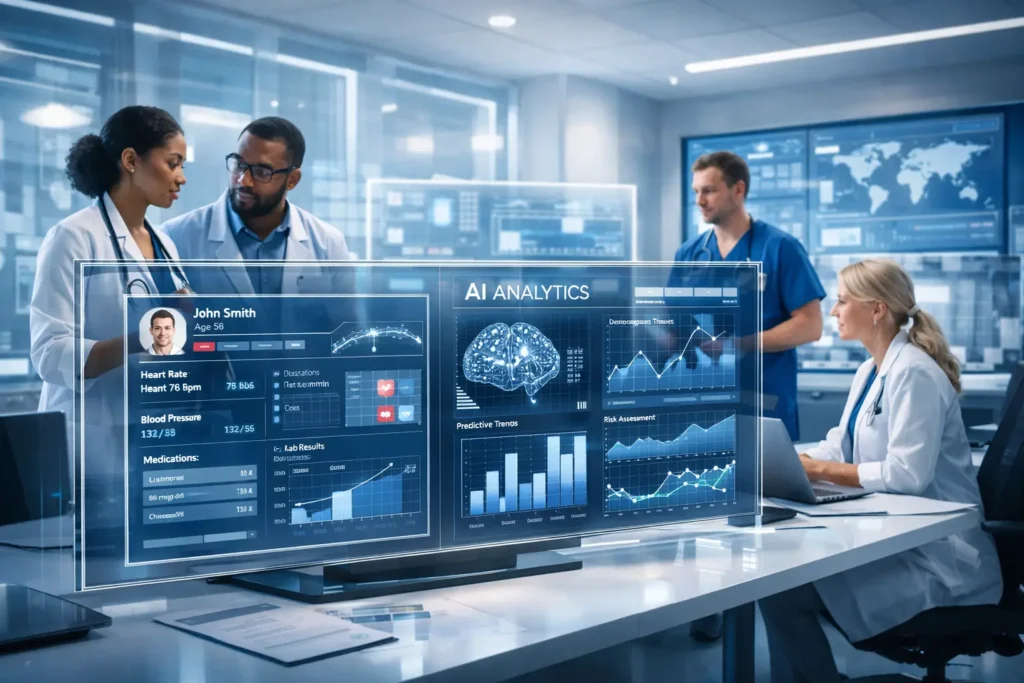
Predictive analytics powered by machine learning enable identification of patients at high risk for hospital readmission, clinical deterioration, or complications before obvious symptoms emerge. Models analyzing vital signs, laboratory trends, medication changes, and dozens of other variables can predict sepsis onset hours before traditional criteria would trigger alerts, enabling earlier intervention when treatments are most effective. Population health management similarly benefits from predictive models that identify patients most likely to benefit from preventive interventions, allowing limited resources to be targeted where they will generate greatest impact.
Generative AI introduces new possibilities and challenges. Large language models can summarize lengthy medical records, translate clinical documentation into patient-friendly language, draft responses to patient portal messages, and even suggest differential diagnoses based on presenting symptoms. However, concerns about accuracy, bias, hallucinations, and appropriate clinical oversight remain unresolved. Regulatory frameworks for AI-enabled medical devices and clinical decision support are evolving rapidly, with FDA and ONC establishing oversight mechanisms that balance innovation with patient safety. Organizations implementing AI must establish governance processes addressing algorithm transparency, ongoing performance monitoring, and human oversight requirements.
FHIR and the API-Enabled Ecosystem
Fast Healthcare Interoperability Resources (FHIR) represents more than just another data standard—it enables a fundamental architectural shift toward API-based, app-enabled health IT ecosystems. Unlike older standards requiring custom point-to-point interfaces for each connection, FHIR uses modern web technologies and RESTful APIs that allow third-party applications to access EHR data through standardized methods. This creates opportunities for specialized best-of-breed applications addressing specific clinical needs while interoperating seamlessly with comprehensive EHR platforms.
The SMART on FHIR framework extends this vision by defining how applications can launch from within EHR user interfaces with appropriate patient context and security. A clinician could launch a specialized cardiology risk calculator, genomics interpretation tool, or clinical trial matching application directly from their EHR workflow, with the SMART app automatically receiving relevant patient data and returning results that can be stored back in the EHR. This substitutable app model promises to accelerate innovation by lowering barriers for specialized developers while reducing EHR vendors’ need to build every conceivable feature into monolithic platforms.
Patient-facing FHIR APIs enable individuals to aggregate their health data from multiple providers into personal health records or third-party applications of their choosing. Apple Health Records, Google Fit, and numerous startup companies are building consumer-centric health data platforms that compile information from hospitals, laboratories, pharmacies, and wearable devices into unified interfaces. While this democratization of health data access empowers patients, it also raises questions about data quality, privacy protections for information outside HIPAA coverage, and ensuring patients understand implications of sharing data with applications that may have commercial interests in that information.
HIT and Value-Based Care
The healthcare industry’s ongoing transition from fee-for-service to value-based payment models—where providers are rewarded for patient outcomes and cost efficiency rather than volume—fundamentally depends on sophisticated health information technology. Value-based care requires comprehensive data about patient populations, detailed tracking of quality metrics, risk stratification to identify high-need patients, care coordination across multiple providers and settings, and sophisticated analytics to attribute outcomes to specific interventions. These capabilities exceed what general-purpose EHR systems provide, driving adoption of specialized population health management platforms.
Social determinants of health—non-medical factors like housing stability, food security, transportation access, and social isolation that profoundly influence health outcomes—are increasingly being documented in EHR systems through standardized data elements. Recognizing that prescribing blood pressure medication to a patient experiencing homelessness addresses symptoms but not root causes, progressive healthcare organizations are screening for social needs and connecting patients with community resources. Health IT systems that track these interventions enable analysis of which social services actually improve health outcomes, though challenges around data sensitivity, patient consent, and coordination with community organizations remain significant.
Accountable care organizations, bundled payment programs, and shared savings arrangements all require sophisticated data aggregation and analytics that health IT must support. Organizations need to track total cost of care across all providers and settings, identify variation in treatment patterns, benchmark performance against peers, and demonstrate return on investment for care management interventions. The complexity of these analytics often exceeds internal capabilities, driving partnerships with specialized analytics vendors and data warehousing consultants who can transform raw EHR data into actionable intelligence for improving value.
Global HIT Trends
While this guide has focused primarily on United States health information technology, examining international approaches provides valuable perspectives on alternative models and emerging trends. The European Union’s General Data Protection Regulation (GDPR) establishes more stringent requirements for consent, data minimization, and individual rights than HIPAA, influencing how health IT vendors design systems for European markets and potentially presaging similar requirements in other jurisdictions. The right to data portability and deletion under GDPR creates technical challenges for systems designed around permanent record retention models.
The United Kingdom’s National Health Service has pursued centralized digital health strategies through NHS Digital, implementing nationwide systems for electronic prescribing, patient records summary, and digital appointment booking that benefit from universal healthcare system coverage. While large-scale NHS IT programs have experienced well-publicized failures, successful initiatives demonstrate potential advantages of coordinated national approaches compared to fragmented vendor landscapes. Estonia’s nationwide health information exchange, Israel’s comprehensive digital health infrastructure, and Australia’s My Health Record system represent other international examples of varying approaches to achieving interoperability and patient engagement at scale.
Low- and middle-income countries face different health IT challenges and opportunities. Limited existing infrastructure paradoxically enables leapfrogging legacy systems, with mobile phone-based solutions addressing resource constraints in innovative ways. Initiatives like OpenMRS provide open-source EHR platforms specifically designed for resource-limited settings, while mobile health applications deliver clinical decision support, patient education, and health worker training where internet connectivity and computing resources are scarce. These innovations from global health contexts sometimes flow back to high-resource settings, influencing approaches to addressing digital divides and serving vulnerable populations.
FAQS
What is the difference between EHR and EMR?
An Electronic Medical Record (EMR) is a digital version of a patient’s chart at a single practice or facility, containing medical and treatment history for patients in one organization. An Electronic Health Record (EHR) goes beyond the EMR’s data to include a more comprehensive patient history across multiple healthcare providers and organizations. EHRs are designed to be shared with other providers, laboratories, specialists, and pharmacies, enabling coordinated care across different healthcare settings. While EMR and EHR are often used interchangeably, the distinction reflects whether the system is designed primarily for internal practice use or broader health information exchange.
Is telemedicine considered health information technology?
Yes, telemedicine and telehealth are components of health information technology. They represent the use of electronic information and telecommunications technologies to support long-distance clinical healthcare, patient and professional health-related education, and public health administration. Telemedicine platforms typically integrate with EHR systems to document virtual visits, access patient records, e-prescribe medications, and share information with other providers—making them integral parts of the broader health IT ecosystem.
What is the HITECH Act?
The Health Information Technology for Economic and Clinical Health (HITECH) Act was enacted in 2009 as part of the American Recovery and Reinvestment Act. HITECH provided approximately $27 billion in incentive payments to encourage healthcare providers to adopt and meaningfully use certified electronic health record technology. The Act established the Meaningful Use program (later renamed Promoting Interoperability), significantly accelerated EHR adoption rates, and strengthened HIPAA enforcement through increased penalties for violations and expanded requirements for breach notification.
How much does an EHR system cost?
EHR system costs vary dramatically based on organization size, vendor selection, and implementation scope. A small physician practice with 3-5 providers might spend $150,000-$350,000 for initial implementation including software, hardware, training, and consulting, plus ongoing annual maintenance fees of $25,000-$50,000. Mid-size community hospitals face implementation costs of $15-$30 million, while large academic medical centers can spend $70-$200 million or more. These figures include direct costs but often underestimate hidden expenses like productivity losses, additional staffing needs, and ongoing optimization efforts that can equal or exceed initial implementation costs over time.
What is interoperability in healthcare?
Interoperability refers to the ability of different healthcare information technology systems and software applications to communicate, exchange data, and use the information that has been exchanged. Effective interoperability enables health information to follow patients across different healthcare settings—from primary care to specialists to hospitals to pharmacies—ensuring that providers have complete, accurate information when making care decisions. Interoperability requires standardized data formats, exchange protocols, common vocabularies, and governance frameworks, all of which remain active areas of development and policy focus.
Do I need a degree to work in health IT?
Educational requirements vary by role. Entry-level positions like health information clerk or EHR support specialist may require only a high school diploma plus vendor-specific training. Medical records technicians typically need an associate degree in health information technology and often pursue RHIT certification. Clinical application analysts usually hold bachelor’s degrees, often in nursing, health information management, or information systems. Leadership positions like health information management director or chief medical information officer typically require advanced degrees—master’s in health informatics, health administration, or clinical degrees (MD, RN) with informatics training. Professional certifications can sometimes substitute for formal degrees, particularly for experienced professionals demonstrating competency through work history.
What is the job outlook for health IT professionals?
The Bureau of Labor Statistics projects strong growth for health information technology careers through 2033. Medical and health services managers are projected to grow 28% from 2023 to 2033, much faster than the average for all occupations. Health information technologists and medical records specialists are projected to grow 17% over the same period. This robust growth reflects healthcare’s ongoing expansion, aging populations requiring more services, increasing regulatory requirements, continued EHR optimization needs, and growing demand for data analytics capabilities to support value-based care models. Geographic variation exists, with metropolitan areas and regions experiencing rapid healthcare growth offering strongest opportunities.
Conclusion
Health information technology has evolved from a niche specialty into the essential infrastructure supporting every aspect of modern healthcare delivery. From electronic health records that maintain comprehensive patient histories to interoperability frameworks enabling seamless information exchange, from clinical decision support systems reducing medical errors to patient portals empowering engaged consumers, HIT fundamentally shapes how care is delivered, documented, coordinated, and continuously improved. The journey from paper charts to sophisticated digital ecosystems has been neither smooth nor complete, but the direction is clear and irreversible.
Looking ahead, artificial intelligence, advanced analytics, and expanded data exchange capabilities promise to unlock new possibilities for personalized medicine, population health management, and predictive interventions. However, realizing this potential requires addressing persistent challenges around system usability, interoperability gaps, cybersecurity threats, implementation costs, and digital equity. Success demands not just technological solutions but also thoughtful governance, meaningful clinical engagement, sustained leadership commitment, and policies that balance innovation with patient safety and privacy protection.
Whether you are a healthcare provider navigating EHR vendor selection, an administrator planning digital transformation initiatives, a student exploring career opportunities in this dynamic field, or simply someone seeking to understand the technologies reshaping healthcare, one truth remains constant: understanding health information technology is no longer optional. HIT competency has become a fundamental requirement for healthcare professionals at all levels, a critical capability for organizations pursuing quality and efficiency, and an essential literacy for patients advocating for their own care. The future of healthcare is inextricably linked to the thoughtful development and effective use of information technology—making now the ideal time to deepen your understanding and engagement with this transformative domain.

Adrian Cole is a technology researcher and AI content specialist with more than seven years of experience studying automation, machine learning models, and digital innovation. He has worked with multiple tech startups as a consultant, helping them adopt smarter tools and build data-driven systems. Adrian writes simple, clear, and practical explanations of complex tech topics so readers can easily understand the future of AI.