
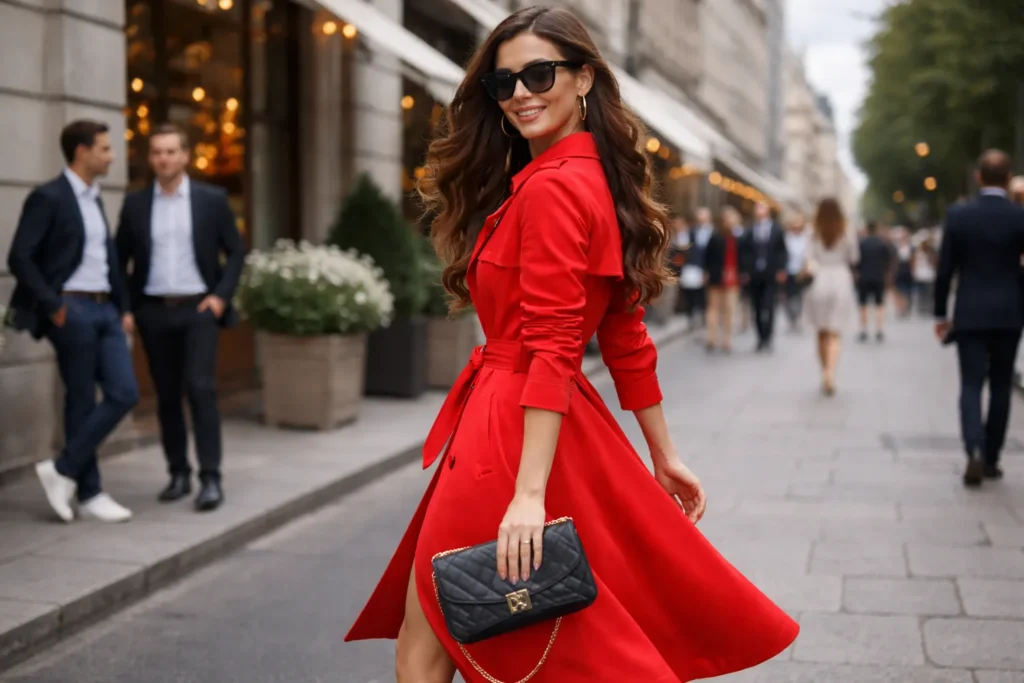
No color in the spectrum commands attention quite like red. It is the color of passion, power, confidence, and love. Wearing fashion red outfits is more than just a style choice; it is a statement. From the glamour of a red carpet gown to the simple confidence of a bold red lip, this hue has the unique ability to make the wearer feel seen and empowered. However, its boldness can also be intimidating, leaving many to wonder how to incorporate it into their wardrobe without feeling overwhelmed.
This comprehensive guide will demystify the power of red. We will explore the psychology behind the color, help you find the perfect shade for your skin tone, and provide practical styling tips for creating stunning looks for every occasion. Get ready to embrace the most daring color in your closet.
The Psychology of Red: More Than Just a Color
Why is red so impactful? Its influence is deeply rooted in psychology and cultural history. Across the globe, red is associated with intense emotions.
- Confidence and Power: Studies have shown that wearing red can actually make you feel more confident and appear more powerful to others. It is the color of leaders and trailblazers.
- Passion and Attraction: Red is linked to romance and desire. The “red dress effect” is a documented phenomenon where individuals wearing red are perceived as more attractive.
- Energy and Action: As the color of fire and blood, red is stimulating and energetic. It incites action and excitement.
When you choose to wear a red outfit, you are tapping into this powerful energy. You are signaling to the world that you are not afraid to be seen.
Finding Your Perfect Shade of Red
The key to successfully wearing fashion red outfits is choosing a shade that complements your skin’s undertones. “Red” is not a single color; it is a vast spectrum.
How to Determine Your Skin’s Undertone
Before picking a shade, figure out if your skin has warm, cool, or neutral undertones.
- The Vein Test: Look at the veins on your wrist. If they appear blue or purple, you have cool undertones. If they look green, you have warm undertones. If you cannot tell, you might be neutral.
- The Jewelry Test: Does silver jewelry flatter you more? You are likely cool-toned. Does gold make you glow? You are probably warm-toned. If both look great, you are neutral.
Reds for Cool Undertones
If you have cool undertones (pink, red, or bluish hues in your skin), look for reds with a blue base.
- Shades to Try: Raspberry, ruby, crimson, and burgundy.
- Why They Work: These blue-based reds harmonize with your skin’s natural coolness, making you look vibrant and preventing you from looking washed out.
Reds for Warm Undertones
If you have warm undertones (yellow, golden, or peachy hues), you will look best in reds with an orange or yellow base.
- Shades to Try: Tomato red, coral, poppy, scarlet, and rust.
- Why They Work: These fiery, warm reds complement the golden tones in your skin, creating a radiant and harmonious look.
Reds for Neutral Undertones
If you have neutral undertones, congratulations! You can wear almost any shade of red.
- Shades to Try: True primary red is your best friend. You can experiment with both blue-based and orange-based reds to see what you prefer.
How to Style Fashion Red Outfits
Once you have found your shade, it is time to build the outfit. Whether you want to make a subtle statement or go all out, there is a way to wear red that feels right for you.
1. The Monochromatic Red Look
Wearing red from head to toe is the ultimate power move. It is bold, confident, and surprisingly easy to pull off if you follow one key rule: mix your textures.
- The Outfit: A red silk blouse paired with red wool trousers, or a red cable-knit sweater with a red satin slip skirt.
- Why It Works: The variation in textures (silk vs. wool, knit vs. satin) creates depth and visual interest, preventing the outfit from looking flat or like a costume.
- Finishing Touches: Keep accessories neutral. Nude or black shoes and a simple handbag will let the red shine.
2. Red as a Statement Piece
If a full red outfit feels too intense, let one red item be the star of the show.
- The Red Dress: A classic red dress needs very little styling. It is a complete outfit in itself. Whether it’s a casual sundress or a formal gown, it makes an impact.
- The Red Coat: A red trench or wool coat is a fantastic way to brighten up a dreary winter day. It looks incredibly chic thrown over a simple all-black or all-white outfit.
- Red Trousers: A pair of well-tailored red trousers can be surprisingly versatile. Pair them with a simple white tee for a casual look or a black blazer for the office.
3. Red as an Accent Color
For those new to the color, starting with small pops of red is the perfect entry point.
- The Shoes: A pair of red heels or even red sneakers can liven up a simple jeans-and-t-shirt combination.
- The Handbag: A red handbag is a classic accessory that adds a touch of sophistication to any look.
- The Scarf or Belt: A red silk scarf tied around your neck or a red belt cinching the waist of a neutral dress adds an intentional, polished touch.
- The Red Lip: Never underestimate the power of red lipstick. It is the easiest way to incorporate the color and instantly makes you look put-together.
What Colors Go With Red?
Pairing red with the right colors can either enhance its vibrancy or tone down its intensity.
Classic Pairings
- Red and Black: A timeless, dramatic, and powerful combination.
- Red and White: Fresh, crisp, and slightly nautical. Perfect for summer.
- Red and Navy: A sophisticated and preppy alternative to black.
- Red and Camel/Beige: This pairing looks incredibly expensive and chic. The neutral camel grounds the fiery red.
Bold Pairings (Color Blocking)
- Red and Pink: Once considered a faux pas, this combination is now celebrated by fashion insiders. It is feminine, bold, and playful.
- Red and Purple: A regal and unexpected combination that exudes luxury.
- Red and Blue (Denim): The most classic pairing of all. A red top with blue jeans is an effortlessly cool look that never goes out of style.
Occasions for Wearing Red
While red can be worn anytime, certain occasions call for its specific brand of power.
Red for the Office
In a professional setting, red can signal confidence and leadership.
- How to Wear It: Opt for sophisticated pieces like a red blazer, a simple sheath dress, or a pussy-bow blouse. Pair them with neutral staples like black trousers or a grey skirt. Burgundy and crimson are excellent, more subdued choices for a corporate environment.
Red for a Date Night
For a romantic evening, red is the obvious choice.
- How to Wear It: A red slip dress in silk or satin is alluring and elegant. If a full dress feels like too much, a red top with leather pants is an edgy and attractive alternative.
Red for Festive Occasions and Holidays
Red is the quintessential color for celebrations like Christmas, New Year’s Eve, and Valentine’s Day.
- How to Wear It: This is the time to embrace sparkle. A red sequin dress or a velvet jumpsuit is perfect for a holiday party.
Red for Casual Weekends
Red can be casual, too!
- How to Wear It: A simple red and white striped Breton top with jeans is a timeless weekend look. A cozy red sweater is perfect for a chilly autumn day.
Common Mistakes to Avoid When Wearing Red
To ensure your fashion red outfits always look chic, steer clear of these common pitfalls.
- Ignoring Your Undertones: Wearing a red that clashes with your skin’s undertones can make you look sallow or flushed. Taking the time to find your perfect shade makes all the difference.
- Over-Accessorizing: Red is a statement in itself. When wearing a bold red piece, keep your jewelry and other accessories minimal and classic. Let the color do the talking.
- Wrong Undergarments: Red can be tricky. Under a slightly sheer red fabric, white underwear can show through brightly. Opt for seamless, nude-colored undergarments that match your skin tone.
- Forgetting Context: A skintight, fire-engine red mini dress might be perfect for a nightclub, but it is inappropriate for a conservative office. Always consider the occasion.
Conclusion
Wearing fashion red outfits is an exercise in confidence. It is a color that refuses to be ignored, and when worn correctly, it can elevate your style and even your mood. Whether you choose to dip your toe in with a red accessory or dive headfirst into a monochromatic look, the key is to wear it with conviction.
Find your perfect shade, experiment with different pairings, and don’t be afraid to stand out. After all, life is too short to wear boring colors. Embrace the power of red and watch how it transforms not just your look, but how you feel.
Frequently Asked Questions (FAQs)
Q1: Does wearing red make you look bigger?
A1: This is a myth. The fit of a garment is far more important than its color. A well-tailored red dress will be more flattering than an ill-fitting black one. In fact, a monochromatic red outfit can create a long, lean vertical line that is very slimming.
Q2: Can men wear red outfits?
A2: Absolutely! Men can wear red with just as much style. A red sweater, a burgundy blazer, or even red trousers can look incredibly sharp. For a subtle approach, a red tie or pocket square is a classic choice.
Q3: What makeup should I wear with a red outfit?
A3: You have two main options. You can either match your lip color to the red of your outfit for a bold, cohesive look, or you can opt for neutral makeup (a nude lip, simple eyeliner) to let the outfit be the sole focus.
Q4: Can I wear red to a wedding?
A4: This can be controversial and depends on the culture. In some cultures, red is celebratory and perfectly acceptable. In others, it can be seen as attention-stealing and is best avoided. If you are unsure, it is safest to choose another color.
Q5: How do I care for my red clothes to prevent them from fading?
A5: To keep red garments vibrant, wash them in cold water with a detergent formulated for colors. Turn them inside out before washing and wash them with other dark colors. Avoid putting them in a hot dryer, as high heat can cause fading.

Sofia Bennett is a fashion writer and style observer known for her clean sense of aesthetics and trend analysis. She has covered fashion shows, reviewed designer collections, and interviewed independent creators. Sofia specializes in connecting fashion with real-life lifestyle choices, helping readers understand what looks good — and why.