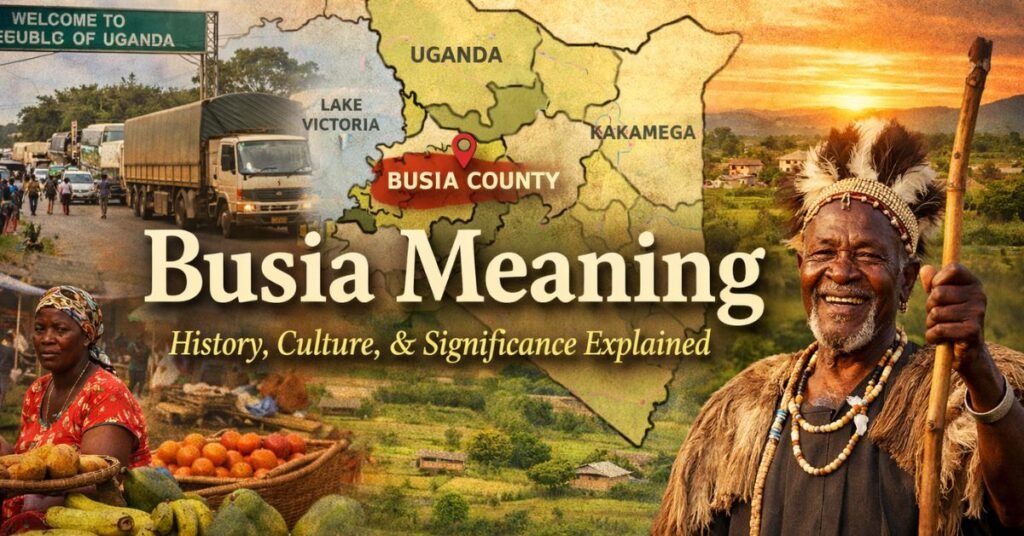
If you’ve ever searched for busia meaning, chances are you weren’t just looking for a dictionary definition. You were looking for context. A story. A connection.
Maybe you heard the name in East Africa. Maybe someone introduced themselves as Busia. Maybe you saw it on a map between Kenya and Uganda. Or perhaps you came across it in a family tree and wondered, “What does Busia actually mean?”
Names carry weight. They hold history, geography, identity, and emotion all at once. And Busia is one of those names that feels simple on the surface but reveals layers when you take the time to explore it.
In this comprehensive guide, you’ll learn:
- The linguistic roots of the word Busia
- Its historical and geographical significance
- Cultural meaning and identity associations
- Whether Busia is a name, a place, or both
- How it’s used today in modern contexts
- Common misconceptions and mistakes
- Practical insights if you’re researching, naming, or branding
By the end, you’ll have a clear, well-rounded understanding of busia meaning — not just as a word, but as a living piece of heritage.
Let’s begin at the root.
What Does Busia Mean? A Clear and Beginner-Friendly Explanation
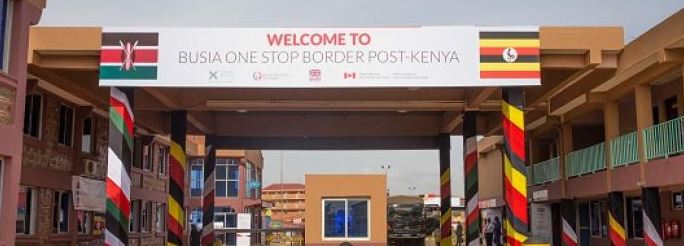
At its most widely recognized level, Busia refers to a town and county in East Africa, specifically in western Kenya near the border with Uganda. It is also the name of a district on the Ugandan side. The name is deeply tied to geography and community identity.
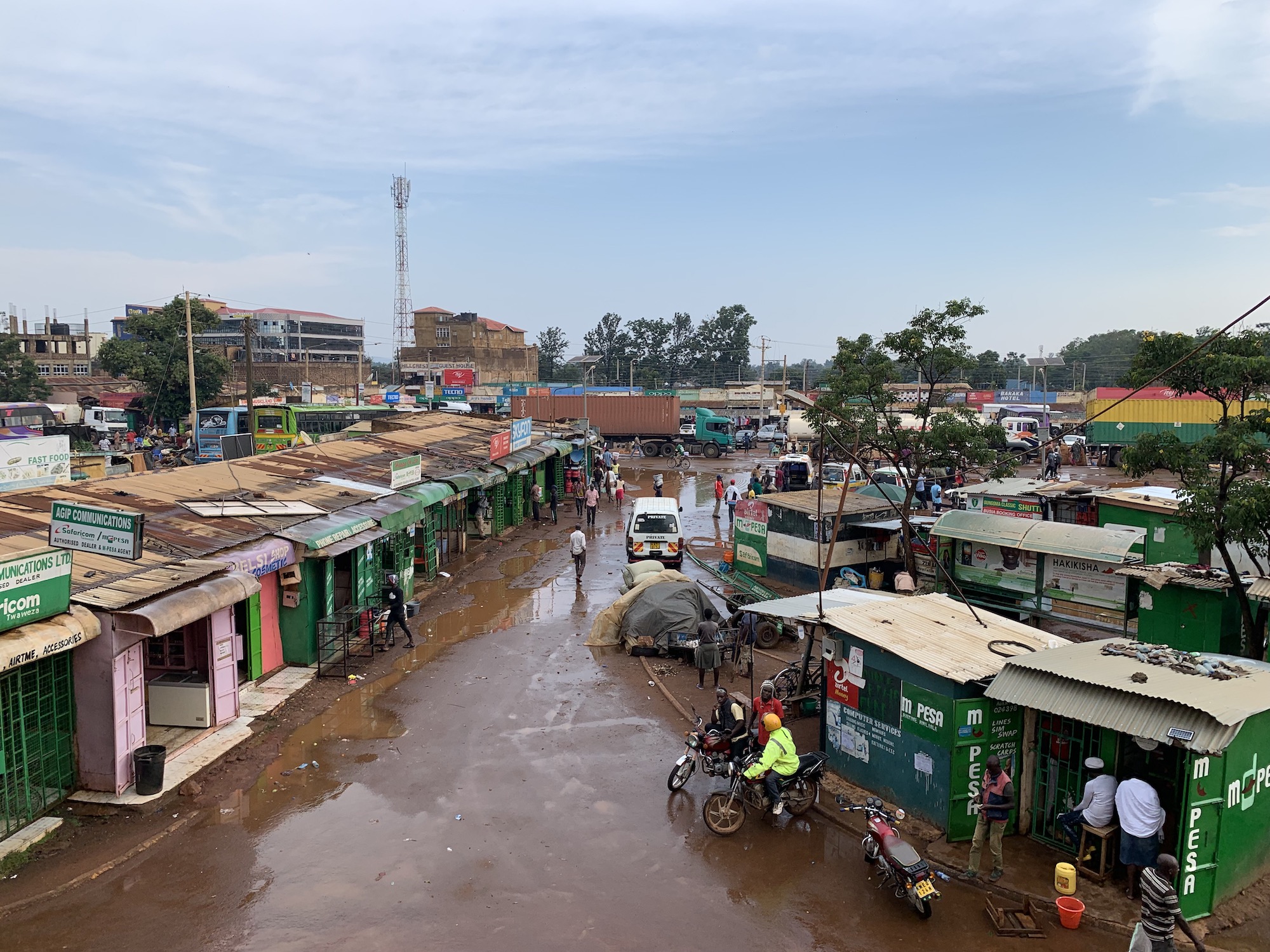

But the busia meaning goes beyond simply “a place on the map.”
In many African naming traditions, place names are not random. They often reflect:
- Historical events
- Clan leadership
- Geographic features
- Ethnic identity
- Colonial administrative history
Busia is historically associated with the Luhya community in Kenya and related groups across the border. In this context, the name likely originates from a clan or local leader whose influence shaped the area.
In simple terms:
- Busia is primarily a geographical name.
- It represents a region rich in cultural and economic importance.
- It also appears as a surname in some communities.
Think of it like “Jordan” — it can refer to a river, a country, or a person’s name. Busia works similarly in certain contexts.
The Historical Roots of Busia
To understand busia meaning properly, we need to step back in time.
Pre-Colonial Context
Before colonial borders divided East Africa, communities moved, traded, and settled across what is now Kenya and Uganda. The Busia region was part of an interconnected cultural zone where clans and chiefdoms governed land and trade.
The name Busia is believed to be derived from a prominent local leader or clan head in the region. Oral histories in many African societies preserve leadership names through place naming — meaning the land becomes a living tribute.
Colonial Influence
During British colonial administration, territorial boundaries were formalized. Busia became a designated administrative and border region between:
- British East Africa (Kenya)
- Uganda Protectorate
This border positioning shaped modern Busia’s identity as a key trade and transit hub.
Post-Independence Evolution
After Kenya and Uganda gained independence in the 1960s, Busia remained strategically important.
Today, Busia is:
- A major border crossing point
- A commercial trade center
- An agricultural region
- A cultural bridge between nations
The busia meaning, therefore, is layered:
It represents leadership heritage, cross-border unity, trade significance, and cultural continuity.
Busia as a Place: Geographic and Economic Significance
Let’s break this down clearly.
Busia, Kenya


Busia County is located in western Kenya, bordering Uganda and near Lake Victoria. It became a county under Kenya’s 2010 constitution.
Key characteristics:
- Agriculture-based economy (maize, cassava, sugarcane)
- Active informal and formal cross-border trade
- Strong Luhya cultural presence
- Rapid urbanization near the border
Busia, Uganda
Busia mirrors its Kenyan counterpart across the border. Together, they form one of East Africa’s busiest land entry points.
This dual-city dynamic is part of what gives busia meaning its modern relevance — it symbolizes connection rather than division.
Cultural Meaning of Busia
Beyond geography, the cultural interpretation matters.
Clan and Community Identity
In many African cultures, land and lineage are inseparable. Busia may be tied to:
- A founding clan name
- A chieftain or elder
- A settlement identifier
If someone carries Busia as a surname, it often signifies ancestral origin from that region.
Symbol of Cross-Border Unity
Unlike borders in Europe or North America, many African boundaries were drawn without regard to ethnic realities. Busia exists on both sides of a colonial line.
That gives it symbolic weight:
- Shared language groups
- Intermarriage across borders
- Economic interdependence
- Shared festivals and traditions
Busia, in that sense, represents continuity in the face of political division.
Is Busia a Personal Name?
Yes — but less commonly.
In certain communities, Busia appears as:
- A surname
- A family name
- Occasionally a given name
When used as a surname, it usually indicates geographic ancestry. Similar to how “London” or “York” might reflect origin, Busia functions as a locational identity marker.
If you’re researching busia meaning in a genealogical context, here’s what it likely indicates:
- Ancestral ties to western Kenya or eastern Uganda
- Luhya or related ethnic heritage
- Historical land association
It’s less commonly used as a first name globally but remains culturally grounded.
Benefits and Real-World Use Cases of Understanding Busia Meaning
Why does this matter?
Let’s look at practical scenarios.
1. Genealogy and Family Research
If Busia appears in your family tree:
- It may identify ancestral land
- It may clarify ethnic roots
- It can guide historical research
Understanding the regional context helps decode migration patterns.
2. Academic Research
Students studying:
- African history
- Post-colonial geography
- Trade economics
- Border policy
Will find Busia a valuable case study in cross-border integration.
3. Business and Trade
Busia is a commercial hub.
Entrepreneurs researching East African trade routes often analyze Busia’s:
- Customs infrastructure
- Transport networks
- Agricultural supply chains
4. Naming or Branding
If you’re considering “Busia” for a project or brand, understanding its cultural depth prevents misrepresentation and builds authentic storytelling.
Step-by-Step Guide: How to Research the Meaning of Busia Properly
If you want to go deeper, here’s a structured approach.
Step 1: Identify the Context
Ask yourself:
- Is this about geography?
- A person’s name?
- A brand?
- A cultural study?
Context changes interpretation.
Step 2: Explore Historical Records
Look for:
- Colonial archives
- Oral history documentation
- Academic papers on Luhya communities
- Kenyan and Ugandan county records
Step 3: Understand Linguistic Roots
Many African names are rooted in local languages. Consult:
- Luhya language references
- Regional dialect resources
- University anthropology departments
Step 4: Verify Modern Usage
Check:
- Government publications
- Trade reports
- Census data
- Regional development plans
This ensures your understanding of busia meaning isn’t outdated.
Step 5: Cross-Reference Multiple Sources
Avoid relying on one website. Use:
- Academic databases
- Official government portals
- Reputable encyclopedic references
Tools, Comparisons, and Recommendations for Deeper Research
Here are practical tools if you’re diving deep.
Free Resources
- Google Scholar
- Great for academic papers
- Free abstracts
- Reliable citations
- National Bureau of Statistics (Kenya & Uganda)
- Economic data
- Demographics
- University archives
Pros:
- Cost-effective
- Accessible
- Broad coverage
Cons:
- Can lack oral history depth
- May be academic-heavy
Paid or Premium Options
- Ancestry platforms for surname research
- Academic journal subscriptions
- Professional genealogists
Pros:
- Deeper historical data
- Structured analysis
- Expert interpretation
Cons:
- Cost
- May not focus specifically on Busia
Expert insight: combine oral narratives with academic research for the most accurate picture.
Common Mistakes When Interpreting Busia Meaning
Even well-meaning researchers make errors.
Mistake 1: Assuming It Has a Direct English Translation
Busia isn’t like “Sunrise” or “Hope.” It doesn’t translate cleanly. It’s a proper noun tied to history.
Fix: Focus on origin, not literal translation.
Mistake 2: Confusing It With Similar-Sounding Words
There are unrelated words in other languages that sound similar. They are not connected.
Fix: Always verify regional context.
Mistake 3: Ignoring Colonial Border Impact
Busia exists in two countries. Researching only one side creates incomplete understanding.
Fix: Study both Kenyan and Ugandan perspectives.
Mistake 4: Overgeneralizing African Naming Traditions
Africa has 3,000+ ethnic groups. Avoid broad assumptions.
Fix: Narrow your focus to the specific region.
Modern Relevance of Busia Today
Busia continues to matter in:
- East African trade integration
- Regional infrastructure development
- Cross-border policy studies
- Cultural preservation initiatives
With the East African Community expanding economic cooperation, Busia stands as a symbol of practical regional unity.
The busia meaning today reflects:
- Economic resilience
- Cultural continuity
- Geographic strategy
- Community identity
Conclusion
So, what is the true busia meaning?
It is not just a word. It is:
- A border town
- A county
- A historical region
- A cultural identity marker
- A trade gateway
- A symbol of shared heritage
Understanding Busia requires looking beyond literal translation and into lived history. It’s a reminder that names hold geography, memory, and belonging all at once.
If you discovered Busia through research, family, travel, or curiosity, now you have the deeper story behind it.
Have more questions about regional name meanings? Drop them below or explore related cultural deep dives.
FAQs
What does Busia mean in English?
Busia does not have a direct English translation. It is primarily a proper noun referring to a region in Kenya and Uganda.
Is Busia a tribe?
No. Busia is not a tribe. It is a geographic region associated with communities such as the Luhya people.
Is Busia in Kenya or Uganda?
Both. There is Busia County in Kenya and Busia town in eastern Uganda at the border.
Can Busia be a surname?
Yes, in some communities it appears as a surname indicating ancestral origin from the region.
Why is Busia important?
Busia is one of East Africa’s key trade and border crossings, making it economically and strategically significant.

Michael Grant is a business writer with professional experience in small-business consulting and online entrepreneurship. Over the past decade, he has helped brands improve their digital strategy, customer engagement, and revenue planning. Michael simplifies business concepts and gives readers practical insights they can use immediately.