
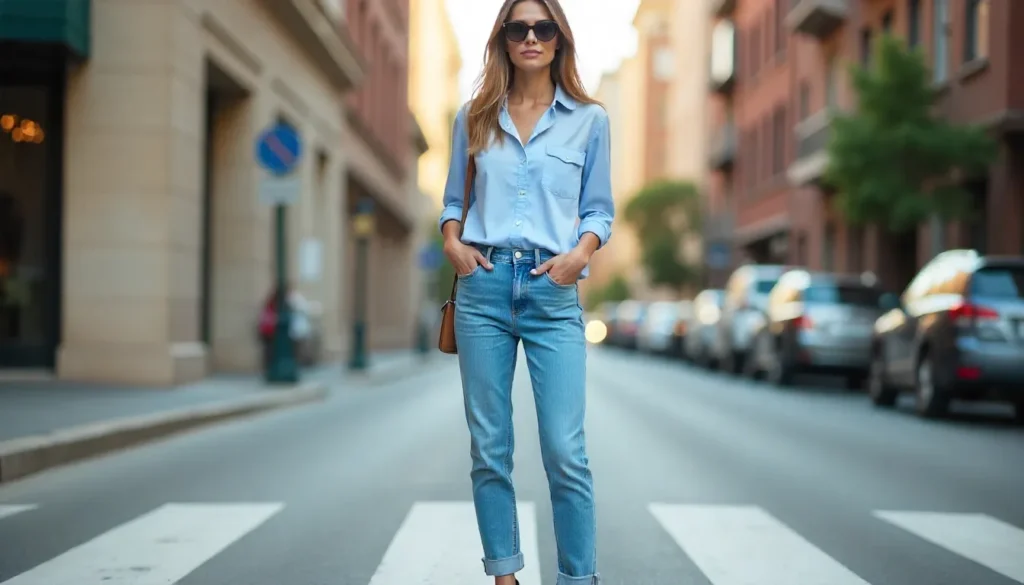
There’s a moment many of us know well. You’re running late, half-awake, standing in front of your wardrobe, mentally calculating how much effort you can afford to put into getting dressed today. Some days call for creativity. Others demand speed. On those days, when thinking feels heavy, one color quietly comes to the rescue again and again blue.
A blue outfit rarely feels wrong. It doesn’t ask for too much attention, yet it never fades into the background. It feels familiar, reliable, and strangely comforting, like a favorite song you don’t need to skip. That’s why blue shows up everywhere from worn-in jeans to polished blazers, from relaxed weekend wear to formal evening looks.
But blue outfits are more than just convenient. They shape how we feel, how others perceive us, and how confidently we move through our daily lives. This article explores blue outfits not as a trend, but as a lifestyle choice one that supports ease, versatility, and personal style without forcing you into rigid fashion rules.
Why Blue Outfits Feel Instinctively “Right”
Blue is deeply rooted in human psychology. It’s the color of the sky above us and the water that surrounds us, both symbols of calm, stability, and continuity. When translated into clothing, blue carries those same emotional qualities. Wearing blue often feels grounding, even when we don’t consciously register why.
From a social perspective, blue is associated with trustworthiness, reliability, and balance. This is why it dominates professional environments, uniforms, and corporate branding. But unlike harsher tones, blue doesn’t intimidate. It reassures.
In everyday fashion, this means blue outfits help bridge the gap between comfort and confidence. You can feel relaxed without appearing careless, polished without looking rigid. That balance is rare, and it’s what makes blue such a powerful wardrobe staple.
Blue as a Personal Style Anchor
Many people struggle with consistency in their style. Trends change, moods shift, and wardrobes slowly fill with pieces that don’t quite work together. Blue outfits offer a solution by acting as a visual anchor.
When blue becomes a recurring element in your wardrobe, outfits begin to coordinate naturally. Pieces mix more easily. Getting dressed requires less thought. This doesn’t mean wearing the same thing every day it means creating harmony.
Blue functions beautifully as a base color. It supports minimalism, capsule wardrobes, and intentional dressing without limiting creativity. Whether your style leans classic, casual, modern, or expressive, blue adapts rather than dominates.
Understanding Blue Shades and the Stories They Tell
Each shade of blue carries its own mood and message. Recognizing these subtle differences helps you choose outfits that align with how you want to feel and be perceived.
Light blues feel open, gentle, and fresh. They’re often associated with clarity and ease. These shades work especially well in casual wear, daytime outfits, and warmer seasons, where softness feels appropriate.
Mid-tone blues, such as denim or classic blue, are balanced and practical. They don’t lean too formal or too relaxed, making them ideal for everyday outfits that need flexibility.
Dark blues, including navy and midnight blue, communicate depth, authority, and elegance. These shades are often chosen for tailored clothing and formal settings because they feel serious without being severe.
By understanding these emotional cues, blue outfits become more intentional and expressive.
Blue Outfits in Everyday Casual Life
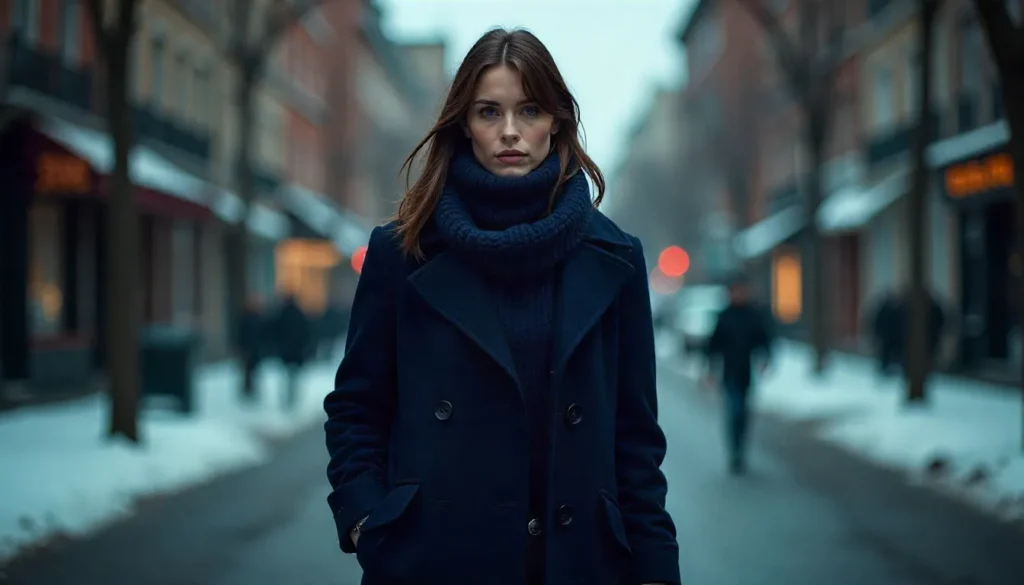
Casual dressing is where blue truly feels at home. Denim jeans are the most obvious example, but casual blue outfits go far beyond that.
A blue t-shirt or knit feels softer than black and more forgiving than white. A blue sweatshirt feels relaxed without looking sloppy. A simple blue dress can shift from home wear to errands to social plans with minimal adjustment.
Blue’s strength in casual wear lies in its ability to look complete without overstyling. It doesn’t need loud accessories or dramatic silhouettes. Even simple outfits feel thought-through when blue is involved.
This makes blue ideal for people who value comfort but still want to look presentable and intentional.
Blue in Workwear: Calm Authority Without Effort
Professional dressing often requires walking a fine line between competence and approachability. Blue outfits naturally strike this balance.
Navy blazers, blue trousers, and tailored blue dresses are staples because they project reliability without harshness. Blue softens structured silhouettes, making professional outfits feel more human.
Compared to black, blue is often more forgiving in daylight and more versatile with accessories. It pairs seamlessly with brown, beige, grey, and metallics, allowing for subtle personalization.
In work environments, blue outfits don’t just fit in they quietly elevate your presence.
Dressing Blue for Social Settings and Special Occasions
Blue is sometimes underestimated for social or evening wear, yet it consistently delivers elegance. Deep blues feel luxurious without relying on excessive shine or embellishment. They stand out subtly, offering depth rather than drama.
For daytime gatherings, lighter blues feel welcoming and relaxed. For evenings, darker blues create intimacy and refinement. Blue adapts to the emotional tone of the occasion rather than overpowering it.
This versatility makes blue a smart choice for events where you want to look memorable without feeling overdone.
Seasonal Flexibility: Why Blue Never Feels Out of Place
One of the greatest advantages of blue outfits is their year-round relevance. Blue doesn’t belong to a single season it evolves with it.
In spring, blue feels fresh and hopeful. In summer, it looks cool and breathable. In autumn, it deepens and grounds outfits. In winter, it becomes rich and structured.
By adjusting fabric weight and layering, blue remains appropriate no matter the climate. This makes blue outfits especially valuable for people who prefer a smaller, more functional wardrobe.
How to Wear Blue Without Feeling Repetitive
A common concern is that wearing a lot of blue might feel monotonous. In reality, repetition creates cohesion when handled thoughtfully.
Variation is the key. Different shades, textures, and silhouettes keep blue outfits interesting. Denim feels different from wool. Linen feels different from silk. Light blue tells a different story than navy.
Layering also adds dimension. Mixing blue with neutrals prevents visual overload while maintaining harmony. Blue doesn’t need constant contrast it needs thoughtful balance.
Common Mistakes That Weaken Blue Outfits

Even a strong color like blue can lose impact if styled carelessly. One common mistake is choosing shades that don’t complement your natural coloring, which can dull the overall look.
Another is relying on a single shade of blue without variation. Head-to-toe blue works best when there’s contrast in tone or texture. Over-accessorizing is also unnecessary blue performs best when allowed to breathe.
Fit is critical. Blue highlights structure, so poorly fitted garments are more noticeable. Investing in proper sizing or tailoring enhances the natural elegance of blue outfits.
Blue Outfits vs Fast Fashion Trends
Trendy colors often feel exciting in the moment but lose relevance quickly. Blue operates differently. It evolves slowly, adapting to trends without becoming obsolete.
From a sustainability and cost-per-wear perspective, blue outfits are a smart choice. They’re worn more often, styled more ways, and replaced less frequently.
Choosing blue isn’t about playing it safe it’s about dressing intelligently.
Conclusion:
Blue outfits succeed because they respect real life. They don’t demand perfection, constant updating, or elaborate styling. They support confidence quietly, helping you feel grounded, capable, and comfortable in your own skin.
Blue doesn’t try to define you. It adapts to who you already are. That’s why it remains relevant across ages, lifestyles, and fashion cycles. When in doubt, blue rarely disappoints.
If building a wardrobe that feels supportive rather than stressful matters to you, blue isn’t just a good choice it’s a foundational one.
Frequently Asked Questions (FAQs)
Are blue outfits suitable for minimalist wardrobes?
Yes. Blue is ideal for minimalist and capsule wardrobes because it mixes easily, repeats well, and adapts to multiple occasions.
Can blue outfits look stylish without bold accessories?
Absolutely. Blue carries enough balance on its own. Minimal or neutral accessories often enhance blue outfits rather than detract from them.
Is blue appropriate for both casual and formal wear?
Yes. Blue spans the full spectrum of formality, from relaxed denim to elegant eveningwear, depending on shade and fabric.
Does blue work better than black for everyday outfits?
For many people, yes. Blue feels softer, more approachable, and often more flattering in natural light while remaining just as versatile.
Can blue be a statement color?
Definitely. Bold blues like royal blue, cobalt, and sapphire work beautifully as focal points when balanced with neutrals.

Sofia Bennett is a fashion writer and style observer known for her clean sense of aesthetics and trend analysis. She has covered fashion shows, reviewed designer collections, and interviewed independent creators. Sofia specializes in connecting fashion with real-life lifestyle choices, helping readers understand what looks good — and why.