
A few years ago, creating a professional-looking video felt like climbing a mountain. You needed expensive cameras, lighting setups, editing software, voice actors, motion designers, and—most importantly—time. Lots of it. Today, that entire process can be compressed into minutes with AI video generation models.
I still remember the first time I tested an AI-generated video for a client explainer. I expected something rough, maybe usable as a draft. What I got instead was a polished, coherent video that only needed minor tweaks. That moment made one thing clear: AI video generation wasn’t a gimmick anymore—it was a real shift in how visual content is created.
AI video generation models matter because video dominates the internet. From YouTube and TikTok to landing pages and internal training, video drives engagement, conversions, and trust. Businesses, educators, marketers, and solo creators all face the same challenge: producing enough quality video consistently. AI video generation models solve that bottleneck.
In this guide, you’ll learn exactly what AI video generation models are, how they work, where they shine, where they struggle, and how to use them properly. I’ll also share real-world use cases, tool comparisons, step-by-step workflows, mistakes to avoid, and expert recommendations—so you walk away confident, not confused.
Understanding AI Video Generation Models (Beginner-Friendly Breakdown)
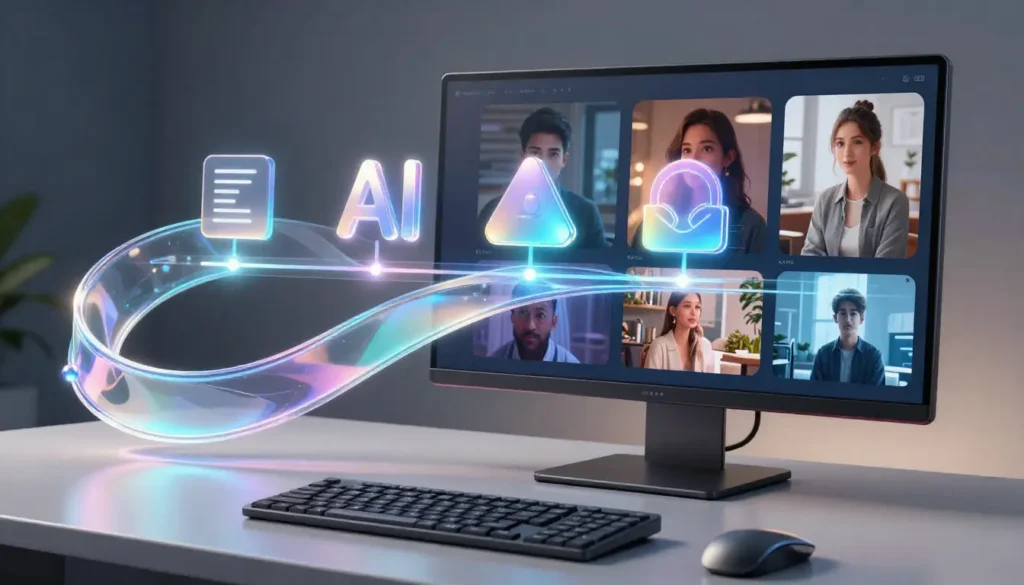
AI video generation models are machine learning systems designed to create videos automatically from inputs like text, images, audio, or prompts. Think of them as extremely advanced storytellers that can turn ideas into moving visuals without traditional filming.
A simple analogy helps. Traditional video production is like cooking a meal from scratch: shopping for ingredients, prepping, cooking, plating. AI video generation models are closer to ordering from a high-end kitchen where you choose the dish, customize a few details, and the result arrives almost instantly.
Under the hood, these models rely on deep learning architectures such as transformers, diffusion models, and generative adversarial networks (GANs). They’re trained on massive datasets of videos, images, motion patterns, speech, and text. Over time, they learn how scenes flow, how objects move, how faces speak, and how visuals sync with audio.
There are several types of AI video generation models:
Text-to-video models that create videos from written prompts
Image-to-video models that animate still images
Avatar-based models that generate talking-head videos
Script-to-video tools that combine scenes, voiceovers, and animations
What makes modern AI video generation models powerful is their ability to understand context. They don’t just stitch clips together; they generate motion, pacing, and narrative structure that feels intentional. While they’re not perfect, they’re good enough to replace or support traditional workflows in many scenarios.
Why AI Video Generation Models Are Changing Content Creation
The rise of AI video generation models isn’t just about speed—it’s about accessibility. Video used to favor big teams with big budgets. Now, a solo creator can produce content that looks studio-quality.
One of the biggest shifts is democratization. A startup founder can create pitch videos without hiring a production agency. An educator can build full video courses without cameras. A blogger can turn written posts into engaging videos for social media.
Another major impact is consistency. Humans get tired. AI doesn’t. AI video generation models allow brands to maintain visual consistency across hundreds of videos—same tone, same style, same pacing—without burnout.
There’s also the experimentation factor. Want to test five different video hooks? Traditionally, that would be expensive. With AI video generation models, you can generate multiple versions quickly, test performance, and double down on what works.
From a strategic perspective, these models reduce friction. Less friction means more content. More content means more data. More data leads to smarter marketing decisions. That feedback loop is why AI video generation models are becoming essential rather than optional.
Benefits and Real-World Use Cases of AI Video Generation Models
AI video generation models aren’t just impressive—they’re practical. Their real value shows up when you look at how they’re used in everyday workflows.
For marketers, these models are perfect for ad creatives, product demos, social media videos, and landing page explainers. Instead of waiting weeks for a video, campaigns can be launched in days—or hours.
Educators use AI video generation models to create lectures, tutorials, and micro-learning content. Text-based lessons can be converted into engaging videos with visuals and narration, improving retention and accessibility.
Businesses rely on them for internal training, onboarding, compliance videos, and company updates. AI-generated avatars deliver consistent messaging without scheduling real presenters.
Content creators and bloggers use AI video generation models to repurpose written content into YouTube videos, Shorts, Reels, and TikToks. One article can power multiple video formats across platforms.
Even developers and product teams benefit. Feature walkthroughs, UI demos, and update announcements can be generated without screen recording or voiceover sessions.
The biggest benefit across all these use cases is leverage. AI video generation models allow one person to do the work of an entire production team—without sacrificing quality.
Step-by-Step Guide: How to Use AI Video Generation Models Effectively
Using AI video generation models well isn’t about clicking a button and hoping for magic. The best results come from a clear process.
Start with a strong script or prompt. AI models are only as good as the input they receive. Be specific about tone, pacing, audience, and goal. A vague prompt produces vague results.
Next, choose the right format. Decide whether you need an avatar video, animated explainer, cinematic visual, or social media clip. Different AI video generation models specialize in different outputs.
Then, customize visuals and voice. Most tools allow you to select styles, avatars, voices, languages, and branding elements. This step is crucial for making the video feel intentional rather than generic.
After generation, review carefully. Look for awkward pauses, unnatural movements, or mismatched visuals. Minor edits can dramatically improve quality.
Finally, optimize for distribution. Adjust aspect ratios, captions, and pacing based on platform requirements. AI video generation models give you the base—you still need strategic polish.
Best practices include keeping videos concise, using natural language in scripts, and testing multiple variations. Treat AI as a collaborator, not a replacement for judgment.
Tools, Comparisons, and Expert Recommendations
Not all AI video generation models are created equal. Choosing the right tool depends on your goals, budget, and technical comfort.
Some tools excel at text-to-video creativity, generating cinematic visuals from prompts. Others focus on avatar-based videos for business communication. There are also hybrid platforms that combine scripts, stock visuals, animations, and AI narration.
Free tools are great for experimentation but often come with watermarks, limited exports, or lower resolution. Paid tools offer better customization, commercial rights, and higher output quality.
From experience, beginners benefit from platforms with guided workflows and templates. Advanced users may prefer tools that allow prompt-level control and fine-tuning.
When comparing tools, look at video quality, voice realism, customization options, export formats, and pricing transparency. Also consider how often the models are updated—AI video generation evolves fast.
A good starting point for learning trends and breakthroughs is OpenAI’s research and announcements, which frequently highlight advances in generative models that influence the entire industry.
Common Mistakes People Make With AI Video Generation Models (and How to Fix Them)
One of the most common mistakes is expecting perfection on the first try. AI video generation models need iteration. Treat the first output as a draft, not a final product.
Another mistake is overloading prompts. Too many instructions can confuse the model. Clear, structured inputs work better than long, messy descriptions.
Many users also ignore pacing. AI-generated videos can feel rushed or too slow if not adjusted. Always review timing and make manual tweaks where needed.
Brand inconsistency is another issue. Using default avatars, voices, and styles across all videos can make content feel generic. Customization matters if you want trust and recognition.
Finally, some people rely entirely on AI without human oversight. While AI video generation models are powerful, they still need human judgment for storytelling, ethics, and accuracy.
Avoiding these mistakes turns AI from a novelty into a reliable production asset.
The Future of AI Video Generation Models
AI video generation models are improving at a breathtaking pace. We’re already seeing better motion realism, emotional expression, and longer coherent videos.
Future models will likely offer deeper control over camera angles, scene transitions, and storytelling arcs. Real-time video generation and interactive videos are also on the horizon.
For businesses and creators, this means video will become even more central. Those who learn to work with AI video generation models now will have a massive advantage as the tools mature.
The key is adaptability. The technology will change, but the fundamentals—clear messaging, audience understanding, and ethical use—will remain the same.
Conclusion: Why AI Video Generation Models Are Worth Mastering
AI video generation models aren’t just a trend—they’re a new layer of creative infrastructure. They reduce barriers, multiply output, and open doors for people who previously couldn’t compete in video-heavy spaces.
When used thoughtfully, they save time without sacrificing quality. They enable experimentation without massive risk. And they empower creators, marketers, and businesses to communicate visually at scale.
If you’re serious about modern content creation, learning AI video generation models isn’t optional anymore—it’s essential. Start small, experiment often, and treat AI as a powerful assistant rather than a shortcut.
If you’ve already tried AI video tools, explore deeper features. If you’re new, pick one platform and test it with a simple project. The best way to understand this technology is to use it.
FAQs
What are AI video generation models used for most commonly?
They’re commonly used for marketing videos, social media content, training materials, explainers, and educational videos.
Are AI video generation models suitable for beginners?
Yes, many tools are designed specifically for non-technical users with templates and guided workflows.
Do AI video generation models replace human video editors?
They don’t replace editors but reduce repetitive work and speed up production significantly.
Can AI video generation models create realistic human avatars?
Modern models can create highly realistic avatars, though subtle imperfections may still appear.
Are AI-generated videos good for SEO
Yes, when combined with proper metadata, captions, and embedding strategies, they improve engagement and dwell time.
How expensive are AI video generation models
Costs range from free tiers to premium subscriptions depending on features and output quality.

Adrian Cole is a technology researcher and AI content specialist with more than seven years of experience studying automation, machine learning models, and digital innovation. He has worked with multiple tech startups as a consultant, helping them adopt smarter tools and build data-driven systems. Adrian writes simple, clear, and practical explanations of complex tech topics so readers can easily understand the future of AI.