
Introduction
If you have spent even a few minutes scrolling through LinkedIn, startup forums, or tech Twitter lately, you have probably noticed the same pattern everywhere: people talking about AI like it is a gold rush. Some are genuinely building transformative companies. Others are just slapping the word “AI” onto old ideas and hoping for attention. As an entrepreneur, that noise can feel overwhelming. You may be asking yourself a simple but important question: Are there real, sustainable AI business ideas for entrepreneurs like me, or is this just hype?
The short answer is yes, there are real opportunities—but only if you approach them with clarity, strategy, and a strong understanding of real-world problems. AI is not a magic button that prints money. It is a powerful tool, much like electricity or the internet was in earlier eras. Entrepreneurs who learn how to apply it thoughtfully can build businesses that are faster to launch, cheaper to scale, and more defensible than many traditional startups.
In this guide, we will go deep. You will not find shallow lists or vague promises here. Instead, you will learn what AI business ideas for entrepreneurs actually mean in practice, how to evaluate opportunities, and how to turn AI capabilities into real products and services that customers pay for. By the end, you should have not only inspiration but also a clear framework you can use to build or refine your own AI-powered business.
What Are AI Business Ideas for Entrepreneurs?
At its core, AI business ideas for entrepreneurs are not about inventing artificial intelligence from scratch. Most successful founders today are not building new foundational models. They are applying existing AI technologies—such as machine learning, natural language processing, computer vision, or predictive analytics—to solve specific problems in smarter, faster, or more scalable ways.
Think of AI as a highly skilled digital assistant that can learn patterns, automate decisions, and improve over time. In the same way that spreadsheets once transformed accounting and email transformed communication, AI is transforming how work gets done across industries. An AI business idea is simply a business that uses this capability as a core advantage rather than a decorative feature.
A helpful analogy is the early days of mobile apps. Successful app founders did not invent smartphones. They built services that made sense because smartphones existed—ride-hailing, food delivery, fitness tracking. AI is at a similar stage now. The opportunity lies in identifying workflows, decisions, or processes that are slow, expensive, or error-prone, and then asking how AI can meaningfully improve them.
For entrepreneurs, this is good news. It means you do not need a PhD in data science to get started. You need curiosity, problem-solving skills, and the ability to listen to customers. The technology stack is increasingly accessible, and many tools allow non-technical founders to build surprisingly sophisticated AI-driven products.
Why AI Business Ideas Matter Right Now
Timing matters in entrepreneurship. Launch too early, and the market is not ready. Launch too late, and the space is crowded. AI business ideas for entrepreneurs sit in a rare sweet spot right now.
First, the technology has matured enough to be useful. AI systems can now write text, analyze data, recognize images, predict trends, and automate complex tasks with impressive accuracy. At the same time, these capabilities are becoming more affordable and easier to integrate through APIs and platforms.
Second, businesses are actively looking for AI solutions. Rising labor costs, remote work, and competitive pressure are pushing companies to automate and optimize. Decision-makers are no longer asking if they should use AI but how. This creates demand across industries—from marketing and finance to healthcare and logistics.
Third, consumer expectations have changed. People now expect personalization, speed, and smart recommendations. AI enables small startups to deliver experiences that once required large teams and budgets. This levels the playing field for entrepreneurs willing to move quickly and focus on value.
In short, AI is not just a trend; it is an infrastructure shift. Entrepreneurs who understand this can build businesses that ride the wave rather than chase it.
Core Benefits of AI Business Ideas for Entrepreneurs
One of the biggest reasons AI business ideas are so attractive is the set of structural advantages they offer compared to traditional ventures. These benefits are not theoretical; they show up clearly in real-world businesses.
Scalability is perhaps the most obvious advantage. Once an AI system is trained and deployed, it can often serve thousands or millions of users with minimal additional cost. This allows entrepreneurs to grow revenue faster than expenses, which is the holy grail of business.
Automation is another major benefit. AI can handle repetitive tasks like data entry, content generation, customer support triage, or lead scoring. This reduces operational overhead and allows small teams to punch far above their weight. Many successful AI startups operate with surprisingly lean teams.
AI also enables better decision-making. By analyzing large datasets and identifying patterns humans might miss, AI-driven businesses can offer insights that feel almost magical to customers. Whether it is predicting demand, optimizing pricing, or personalizing recommendations, this intelligence becomes a strong competitive advantage.
Finally, AI businesses often benefit from continuous improvement. Unlike static software, AI systems can learn from new data and get better over time. This creates a compounding effect where your product becomes more valuable the longer it is in use, increasing customer retention and defensibility.
High-Potential AI Business Ideas for Entrepreneurs
4
When people search for AI business ideas for entrepreneurs, they often want concrete examples. Below are categories of AI-powered businesses that have proven demand and room for innovation. Each of these can be adapted to different niches and markets.
AI-Powered SaaS for Niche Industries
One of the most reliable paths is building AI-powered software for a specific industry. Generic tools face heavy competition, but niche solutions can dominate smaller markets. For example, AI software that helps real estate agents price properties, lawyers review contracts, or recruiters screen resumes can command strong recurring revenue.
The key here is domain expertise. Entrepreneurs who deeply understand an industry’s workflows can identify where AI adds real value. Customers are willing to pay for tools that save time, reduce errors, or increase revenue in ways they can clearly see.
AI Marketing and Content Automation Services
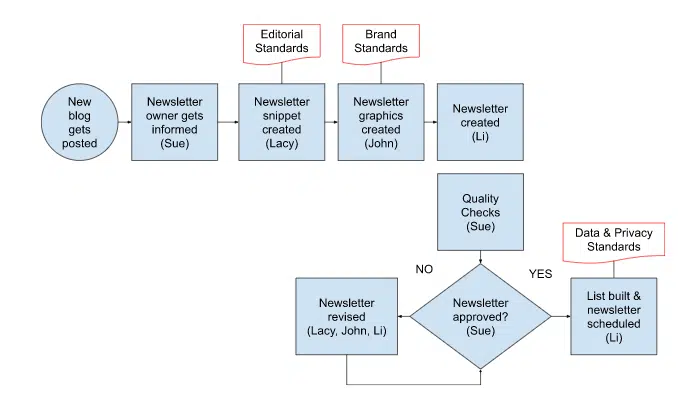
Marketing is a natural fit for AI. Businesses constantly need content, ad optimization, email campaigns, and customer insights. AI can generate drafts, test variations, and analyze performance at scale. Entrepreneurs can build agencies or platforms that combine AI automation with human strategy.
This hybrid approach is powerful. AI handles the heavy lifting, while humans provide creativity, judgment, and relationship management. Many entrepreneurs start here because it requires relatively low upfront investment and leverages existing skills.
AI Consulting and Implementation Services
Not every company wants to build or manage AI systems internally. This creates an opportunity for AI consulting businesses that help organizations identify use cases, select tools, and implement solutions. These services are especially valuable for small and mid-sized businesses.
As an entrepreneur, you can position yourself as a translator between technology and business outcomes. You do not need to invent new models; you need to understand what is possible and how to apply it responsibly and effectively.
AI-Driven Data and Analytics Products
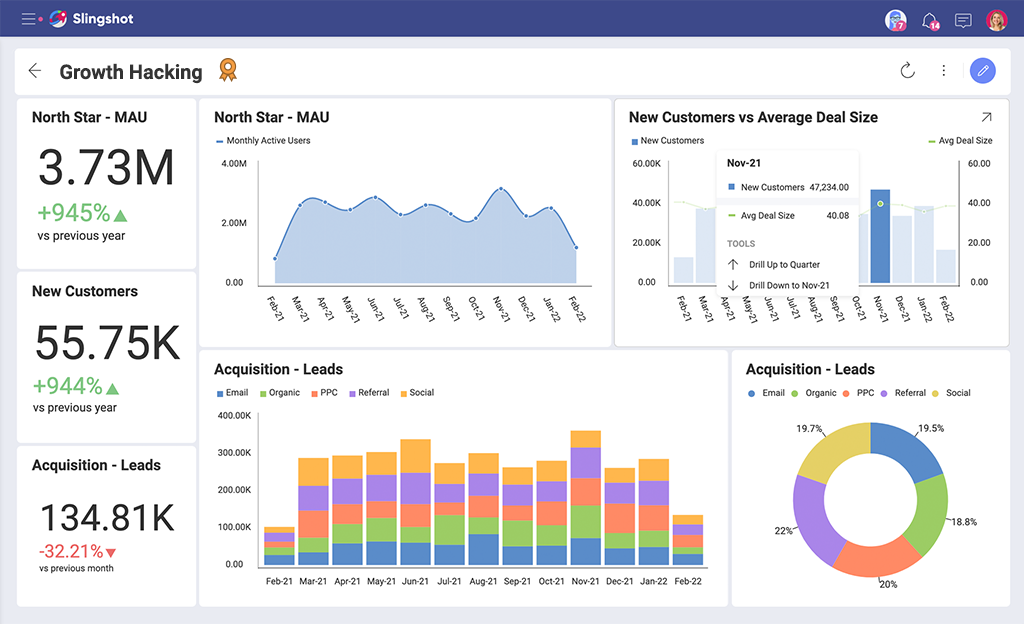
Data is everywhere, but insights are scarce. AI businesses that help companies make sense of their data can be extremely valuable. Examples include predictive analytics for sales forecasting, churn prediction for SaaS companies, or demand forecasting for retailers.
The success of these businesses depends on trust and accuracy. Entrepreneurs who focus on clear explanations, transparent models, and actionable insights tend to stand out in this space.
Step-by-Step Guide to Building an AI Business

4
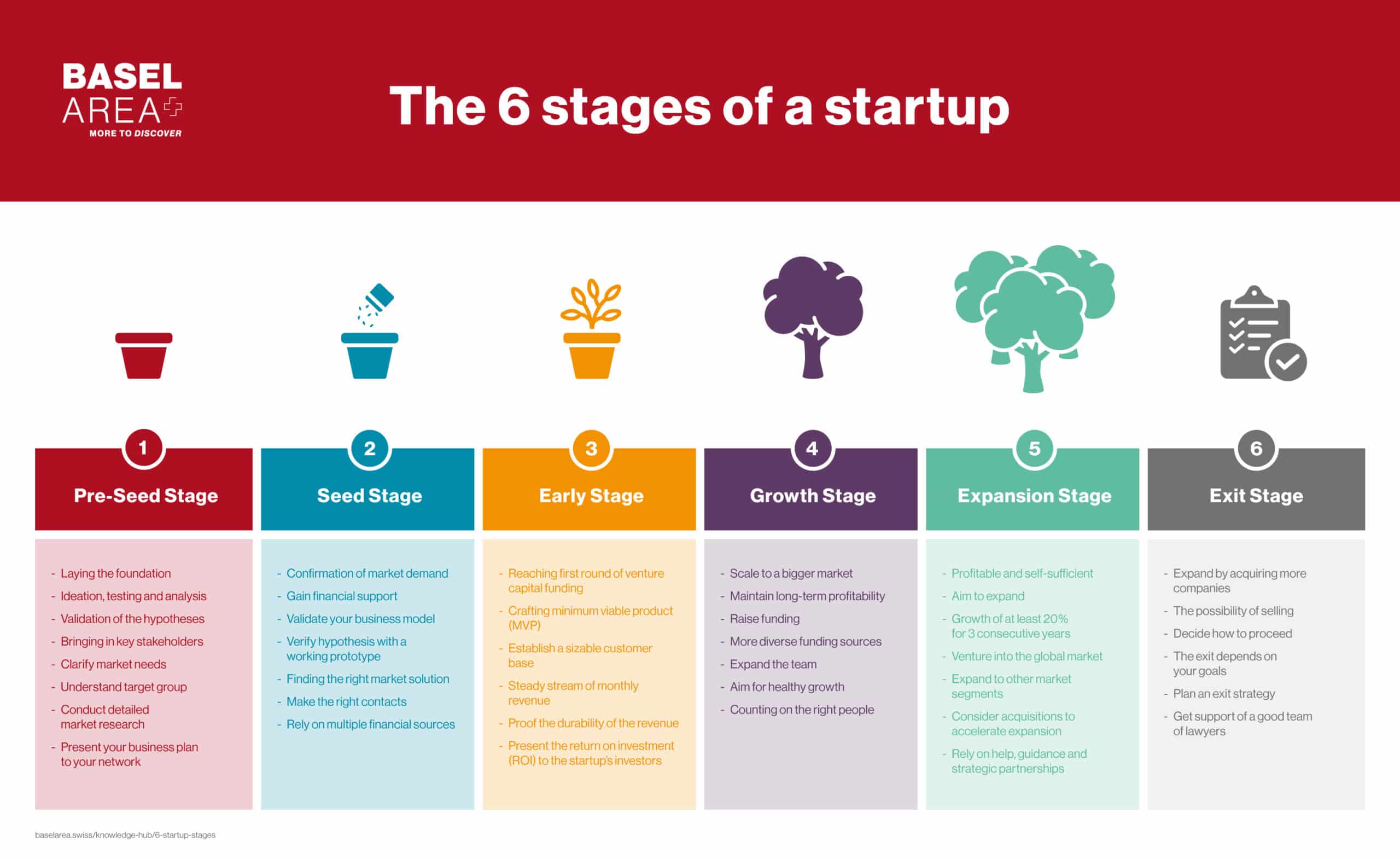
Turning AI business ideas for entrepreneurs into reality requires a structured approach. The following steps are based on patterns seen in successful AI startups and are designed to reduce risk while increasing learning.
Step 1: Start with a Real Problem
The biggest mistake entrepreneurs make is starting with technology instead of a problem. Before thinking about AI, identify a pain point that is frequent, expensive, or emotionally frustrating for your target customers. Talk to real people. Ask about their workflows, bottlenecks, and what they wish worked better.
Only after you clearly understand the problem should you ask whether AI can help. If AI does not offer a meaningful improvement, it is probably not the right tool.
Step 2: Validate Demand Before Building
Validation is about evidence, not opinions. Create a simple landing page, mockups, or a no-code prototype and see if people are willing to sign up, pre-order, or pay. This step saves months of wasted effort.
For AI products, validation can also involve testing assumptions about data availability and quality. If your idea depends on data that is hard to access or unreliable, you need to address that early.
Step 3: Choose the Right AI Approach
Not all AI is the same. Some problems require machine learning models trained on historical data. Others can be solved with rule-based systems enhanced by AI APIs. Choose the simplest approach that delivers value.
Many successful entrepreneurs start by integrating existing AI services rather than building custom models. This speeds up development and reduces technical risk.
Step 4: Build a Minimum Viable Product
Your MVP should focus on one core use case and do it well. Avoid the temptation to add every feature. Early users care more about solving their main problem than about polish.
Iterate quickly based on feedback. AI products, in particular, benefit from real-world usage because it improves performance and reveals edge cases.
Step 5: Launch, Learn, and Iterate
A launch is not the finish line; it is the starting point of learning. Monitor how users interact with your product, where they get confused, and what results they achieve. Use this data to refine both the AI system and the user experience.
Over time, you can expand features, improve accuracy, and explore new markets based on real demand.
Tools and Platforms to Power AI Businesses
Entrepreneurs today have access to an impressive ecosystem of AI tools. Choosing the right stack depends on your goals, budget, and technical skills.
Free or low-cost tools are excellent for experimentation. Many platforms offer generous trial tiers that allow you to test ideas without heavy investment. These are ideal for MVPs and early validation.
Paid tools become important as you scale. They offer better performance, reliability, and support. When evaluating tools, consider not just price but also ease of integration, documentation, and long-term viability.
A common pattern among successful founders is to start with off-the-shelf solutions and gradually move toward more customized systems as the business grows. This balances speed with control.
Common Mistakes Entrepreneurs Make with AI
Even experienced founders can stumble when working with AI. Understanding common pitfalls can save you time, money, and credibility.
One frequent mistake is overpromising capabilities. AI is powerful, but it is not perfect. Setting unrealistic expectations leads to disappointed customers. Honest communication builds trust and long-term relationships.
Another issue is neglecting data quality. AI systems are only as good as the data they learn from. Investing time in data cleaning, labeling, and validation pays off significantly.
Some entrepreneurs also underestimate the importance of user experience. An AI product that is accurate but confusing will struggle. Clear explanations and intuitive design are essential.
Finally, many founders forget about ethics and compliance. Responsible AI use is not optional. Transparency, privacy, and fairness should be built into your business from day one.
Conclusion: Turning AI Ideas into Real Businesses
AI business ideas for entrepreneurs represent one of the most exciting opportunities of this decade. But excitement alone is not enough. The entrepreneurs who succeed are those who combine curiosity with discipline, creativity with realism, and ambition with empathy for their users.
If you take one lesson from this guide, let it be this: focus on problems first, technology second. AI is a means, not an end. When used thoughtfully, it can help you build businesses that are not only profitable but genuinely useful.
Start small, learn fast, and stay grounded in real-world value. The future of entrepreneurship will not belong to those who chase every new tool, but to those who know how to apply powerful tools in meaningful ways.
FAQs About AI Business Ideas for Entrepreneurs
Are AI business ideas only for technical founders?
No. Many successful AI entrepreneurs focus on problem discovery, customer relationships, and strategy while using existing tools or hiring technical partners.
How much capital do I need to start an AI business?
It varies, but many AI businesses can start with modest budgets thanks to cloud platforms and no-code tools. Validation matters more than funding early on.
Is the AI market already too crowded?
Some areas are competitive, but new niches and use cases continue to emerge. Specialization and domain expertise create room for new entrants.
How do I ensure my AI business is ethical?
Be transparent about how your AI works, protect user data, and avoid biased or misleading outcomes. Responsible practices build trust.
Can small businesses really benefit from AI solutions?
Absolutely. Many small businesses see immediate gains in efficiency, marketing, and decision-making when AI is applied correctly.

Michael Grant is a business writer with professional experience in small-business consulting and online entrepreneurship. Over the past decade, he has helped brands improve their digital strategy, customer engagement, and revenue planning. Michael simplifies business concepts and gives readers practical insights they can use immediately.