

If you’ve ever felt overwhelmed by too much information and not enough clarity, you’re not alone. Most teams today are drowning in data—analytics dashboards, customer feedback, reports, emails, spreadsheets—yet still struggling to make confident decisions. This is exactly where ai aggregates come into play.
AI aggregates are quickly becoming the quiet backbone of modern decision-making. They don’t just collect data; they interpret it, connect the dots, and surface insights humans would otherwise miss. Think of them as a hyper-intelligent research assistant that never sleeps, constantly scanning, summarizing, and organizing information so you can focus on strategy instead of spreadsheets.
In this guide, I’ll walk you through what ai aggregates actually are, how they work in plain English, and why they matter right now. You’ll see real-world use cases, practical benefits, common mistakes, and a step-by-step approach to using them effectively. Whether you’re a content writer, marketer, founder, analyst, or business leader, you’ll leave with a clear mental model—and actionable next steps—you can apply immediately.
What Are AI Aggregates? A Clear, Beginner-Friendly Explanation
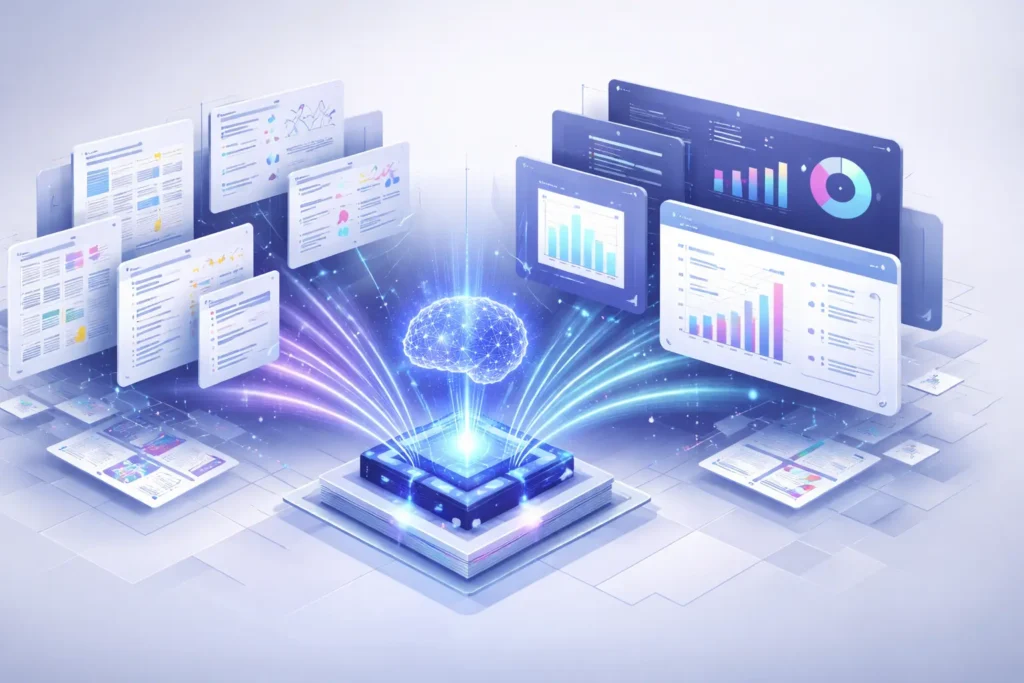
At their core, ai aggregates are systems that automatically collect data from multiple sources and use artificial intelligence to organize, analyze, summarize, and present that information in a meaningful way.
A helpful analogy: imagine you’re cooking dinner for 10 people. Instead of running to five different stores, reading dozens of recipes, and comparing prices manually, you hire a personal assistant who gathers everything, filters out the noise, and hands you a simple plan. AI aggregates do the same thing—but with data.
Traditional data aggregation simply pulls numbers together. AI aggregation goes several steps further by:
- Understanding context (what the data actually means)
- Identifying patterns and trends
- Removing duplicates or low-value information
- Generating summaries, insights, or predictions
For example, instead of showing you 1,000 customer reviews, an AI aggregate might tell you: “72% of users love the new interface, but power users are frustrated by missing export features.”
That leap—from raw data to insight—is what makes ai aggregates so powerful.


Why AI Aggregates Matter More Than Ever
The reason ai aggregates are exploding in popularity isn’t hype—it’s necessity. Data volume is growing exponentially, while human attention is shrinking.
Modern businesses face three painful realities:
- Data lives everywhere (tools, platforms, channels)
- Manual analysis doesn’t scale
- Decisions need to happen faster than ever
AI aggregates solve this by acting as a central intelligence layer. They don’t replace human judgment; they enhance it. Instead of spending hours collecting and cleaning data, teams spend minutes interpreting insights and taking action.
This shift is especially important in industries like marketing, finance, healthcare, SaaS, and content creation, where timing and context matter as much as accuracy. When insights arrive too late, they’re often useless.
AI aggregation ensures that insight arrives early enough to matter.
Benefits and Use Cases of AI Aggregates in the Real World
Smarter Decision-Making Without Data Overload
One of the biggest benefits of ai aggregates is cognitive relief. Humans aren’t wired to process massive datasets—but we are excellent at interpreting distilled insights.
AI aggregates filter noise and surface signal. They highlight what’s changing, what’s working, and what needs attention right now.
For example:
- Executives get weekly summaries instead of 40-page reports
- Marketers see which campaigns drive revenue, not just clicks
- Product teams understand feature pain points instantly
Real-World Use Cases Across Industries

4
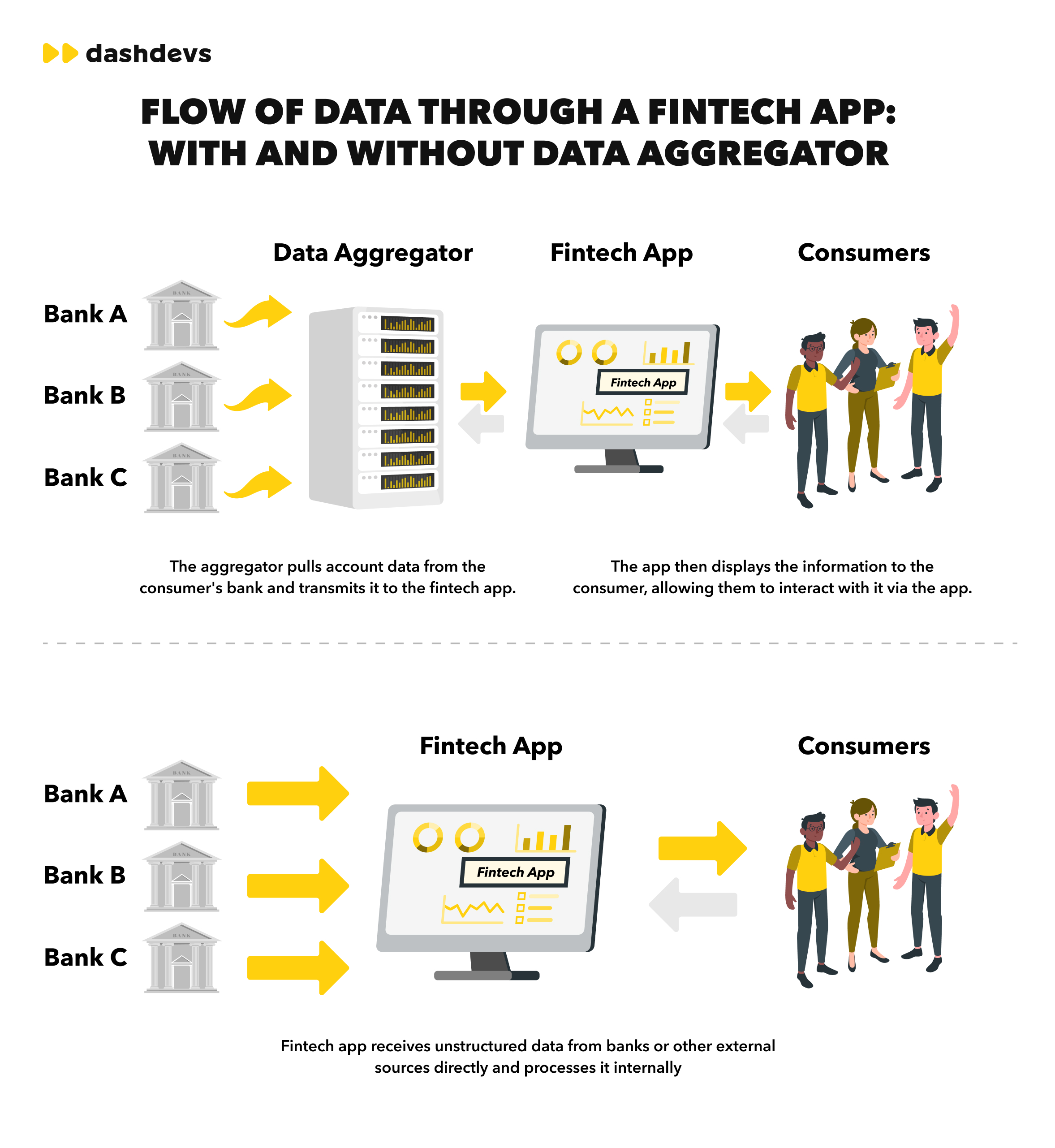
AI aggregates show up in more places than most people realize:
- Marketing: Aggregating ad data, SEO metrics, CRM insights, and attribution models into a single narrative.
- Finance: Pulling market data, earnings reports, risk indicators, and news into predictive dashboards.
- Healthcare: Combining patient records, diagnostics, and research to support clinical decisions.
- Content & SEO: Analyzing SERPs, competitor content, keyword trends, and performance metrics.
In each case, the value isn’t just speed—it’s clarity.
Who Benefits Most from AI Aggregates?
AI aggregates are especially useful for:
- Teams dealing with fragmented data
- Solo professionals wearing multiple hats
- Decision-makers who need high-level insight, not raw numbers
- Organizations scaling faster than their processes
If you’ve ever thought, “I know the data is there—I just can’t see the full picture,” ai aggregates are built for you.
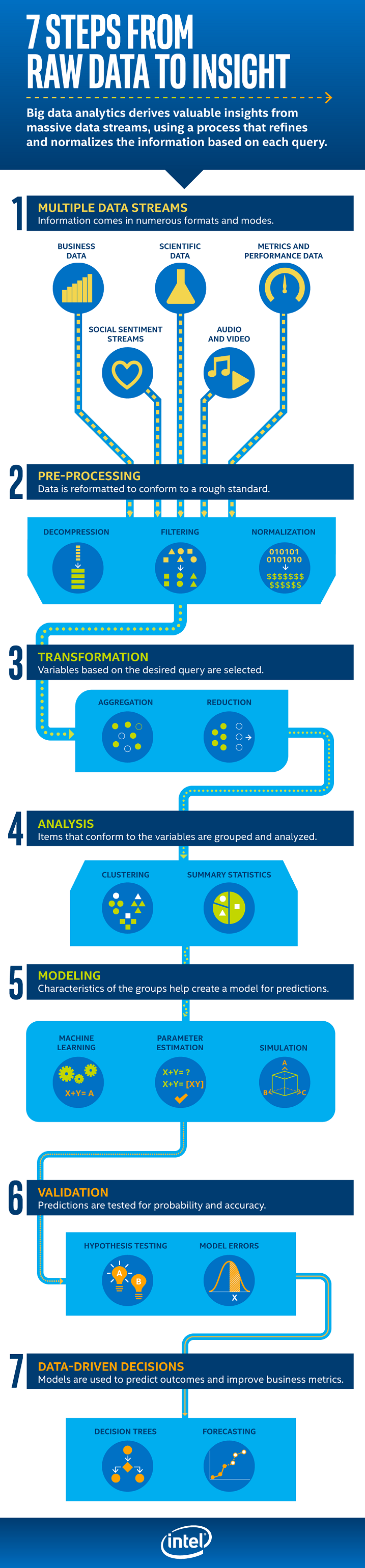
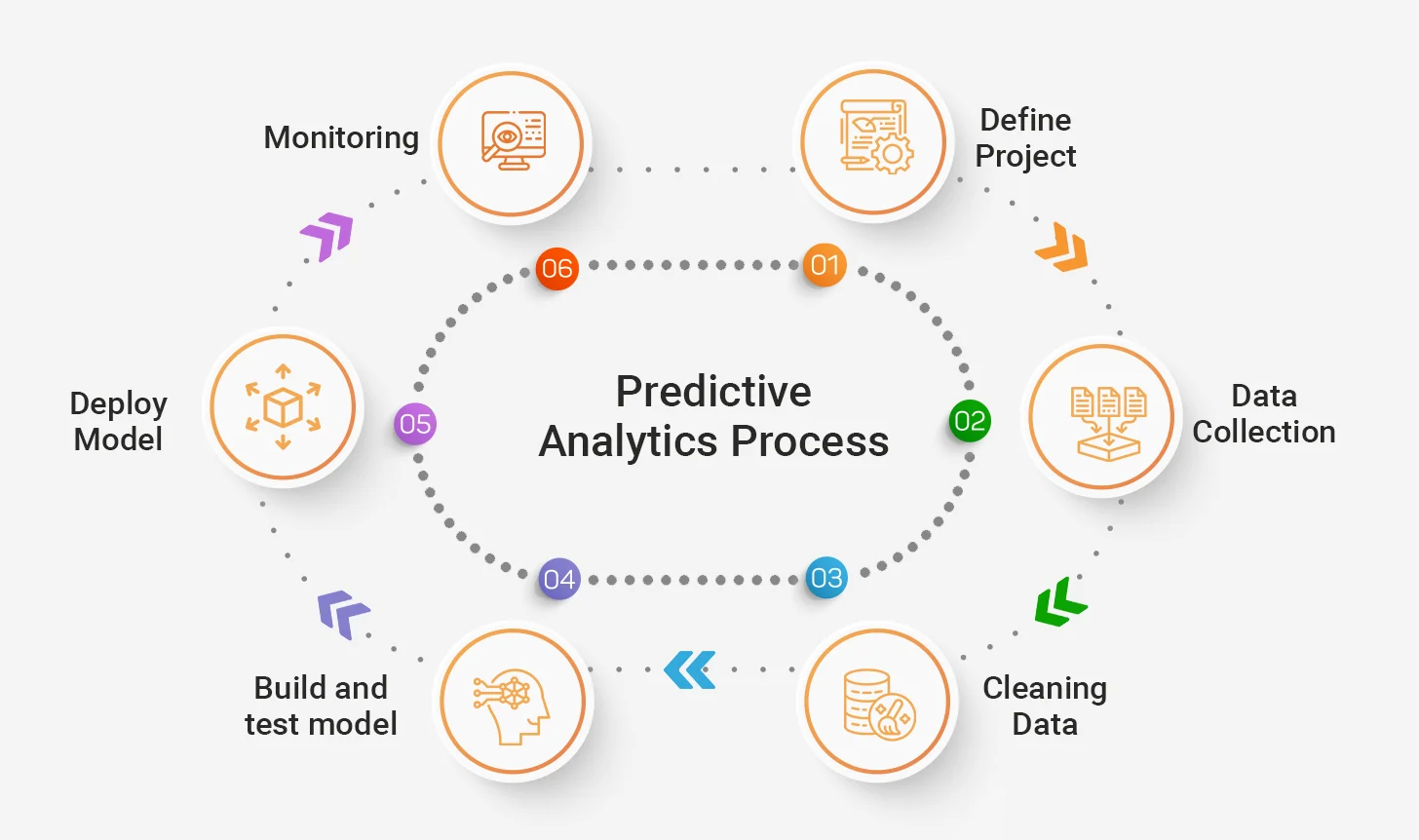
How AI Aggregates Work: A Step-by-Step Breakdown
Understanding how ai aggregates work makes them far less intimidating. While the technology is complex under the hood, the workflow is surprisingly logical.
Step 1: Data Collection
AI aggregates pull data from multiple sources such as:
- Analytics platforms
- Databases
- APIs
- Documents
- Emails
- Web content
This can include structured data (numbers, tables) and unstructured data (text, reviews, transcripts).
Step 2: Data Cleaning and Normalization
Raw data is messy. AI aggregates automatically:
- Remove duplicates
- Standardize formats
- Detect anomalies
- Handle missing values
This step alone saves teams countless hours.
Step 3: AI Analysis and Pattern Recognition
Here’s where intelligence kicks in. Machine learning models:
- Identify trends and correlations
- Group related information
- Detect sentiment or intent
- Flag unusual changes
Instead of “what happened,” you start seeing “why it happened.”
Step 4: Insight Generation and Summarization
Finally, AI aggregates translate analysis into human-readable outputs:
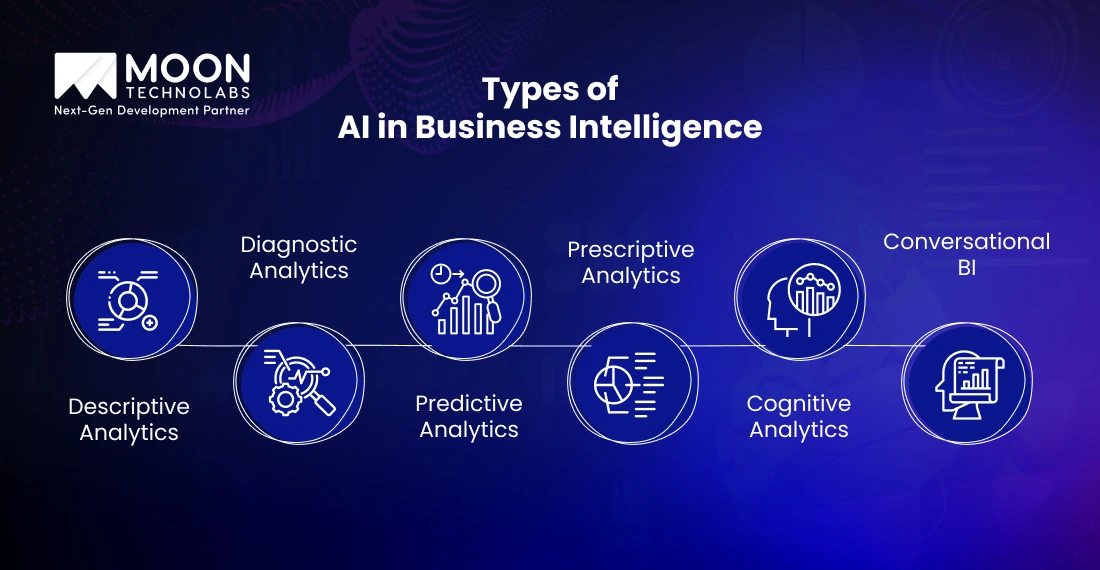
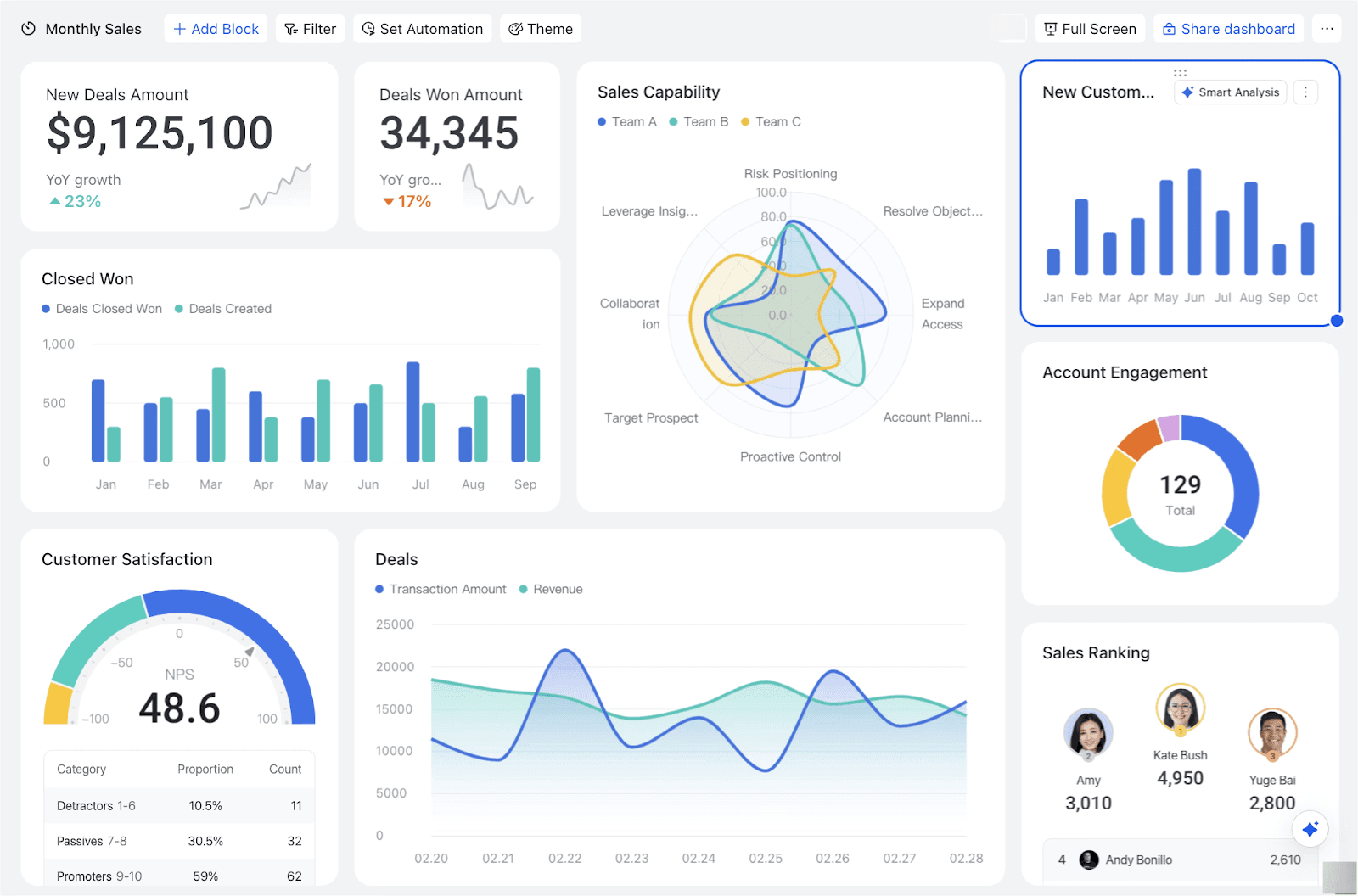
- Dashboards
- Alerts
- Executive summaries
- Recommendations
The best systems allow customization so insights match your goals, not generic templates.
Tools, Comparisons, and Expert Recommendations
Popular AI Aggregation Tools
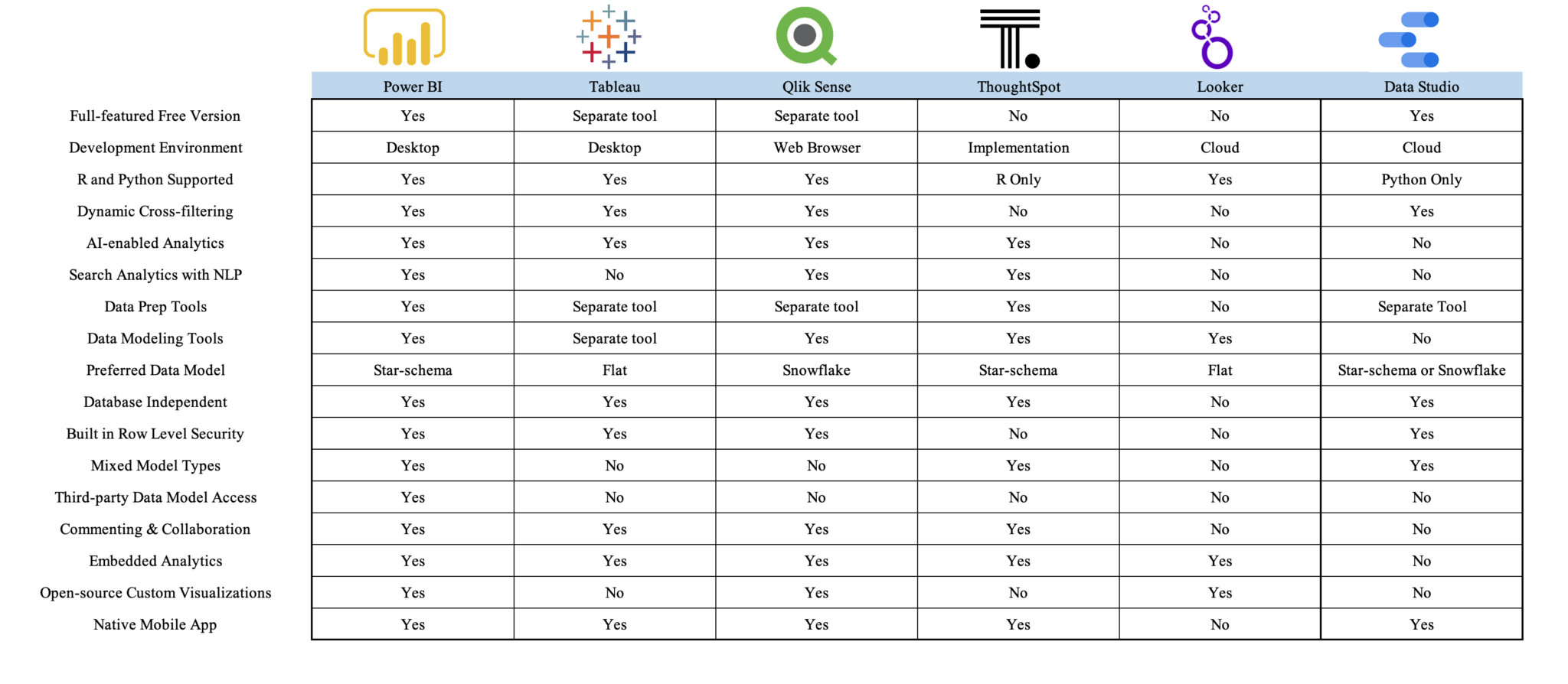
Several platforms power modern ai aggregates, often behind the scenes:
- OpenAI – Used for language-based aggregation, summarization, and insight extraction.
- Google – Powers large-scale analytics and data aggregation through cloud and AI services.
- Microsoft – Integrates AI aggregation into business intelligence tools.
- Zapier – Connects data sources to create lightweight aggregation workflows.
Free vs Paid Options
Free tools are excellent for experimentation but often limit:
- Data volume
- Automation
- Customization
- Support
Paid platforms offer deeper integrations, real-time processing, and advanced analytics. The key is choosing based on use case, not hype.
Expert Tip
Start narrow. Aggregate one decision-critical workflow first (like weekly performance reporting). Expand once trust and value are proven.
Common Mistakes with AI Aggregates (and How to Fix Them)
Mistake 1: Aggregating Everything at Once
More data doesn’t mean better insights. Overloading an AI aggregate leads to confusion.
Fix: Define clear questions first. Aggregate only data that supports those decisions.
Mistake 2: Blind Trust in Outputs
AI aggregates are powerful, but not infallible.
Fix: Treat insights as decision support, not decision replacement. Apply human judgment.
Mistake 3: Ignoring Data Quality
AI can’t fix fundamentally broken data.
Fix: Regularly audit sources and validate inputs.
Mistake 4: Poor Contextual Setup
Without context, insights become generic.
Fix: Configure goals, thresholds, and priorities so AI understands what “success” means for you.
The Future of AI Aggregates: Where This Is All Headed
AI aggregates are evolving from passive reporting tools into proactive intelligence systems. We’re moving toward:
- Predictive insights instead of historical summaries
- Personalized aggregation for individual roles
- Real-time decision nudges
- Natural language interfaces
Soon, asking your data a question will feel as normal as asking a colleague. The organizations that win won’t be the ones with the most data—but the ones with the clearest understanding of it.
Conclusion: Why AI Aggregates Are a Competitive Advantage, Not a Trend
AI aggregates aren’t about replacing humans. They’re about freeing us from the mechanical work of data wrangling so we can focus on creativity, strategy, and judgment.
When implemented thoughtfully, they:
- Reduce decision fatigue
- Increase speed and confidence
- Surface insights humans miss
- Scale intelligence across teams
If you want to make better decisions with less stress—and actually use the data you already have—ai aggregates are no longer optional. They’re foundational.
If you’re exploring this space, start small, stay curious, and let clarity—not complexity—be your north star.
FAQs
What are AI aggregates in simple terms?
AI aggregates collect data from multiple sources and use AI to analyze and summarize it into actionable insights.
How are AI aggregates different from dashboards?
Dashboards show data; AI aggregates interpret it, highlight patterns, and generate insights automatically.
Are AI aggregates only for large companies?
No. Small teams and solo professionals often benefit even more due to limited time and resources.
Do AI aggregates replace analysts?
They support analysts by handling repetitive work, allowing deeper strategic analysis.
Are AI aggregates expensive?
Costs vary. Many tools offer affordable entry points with scalable pricing.

Adrian Cole is a technology researcher and AI content specialist with more than seven years of experience studying automation, machine learning models, and digital innovation. He has worked with multiple tech startups as a consultant, helping them adopt smarter tools and build data-driven systems. Adrian writes simple, clear, and practical explanations of complex tech topics so readers can easily understand the future of AI.