
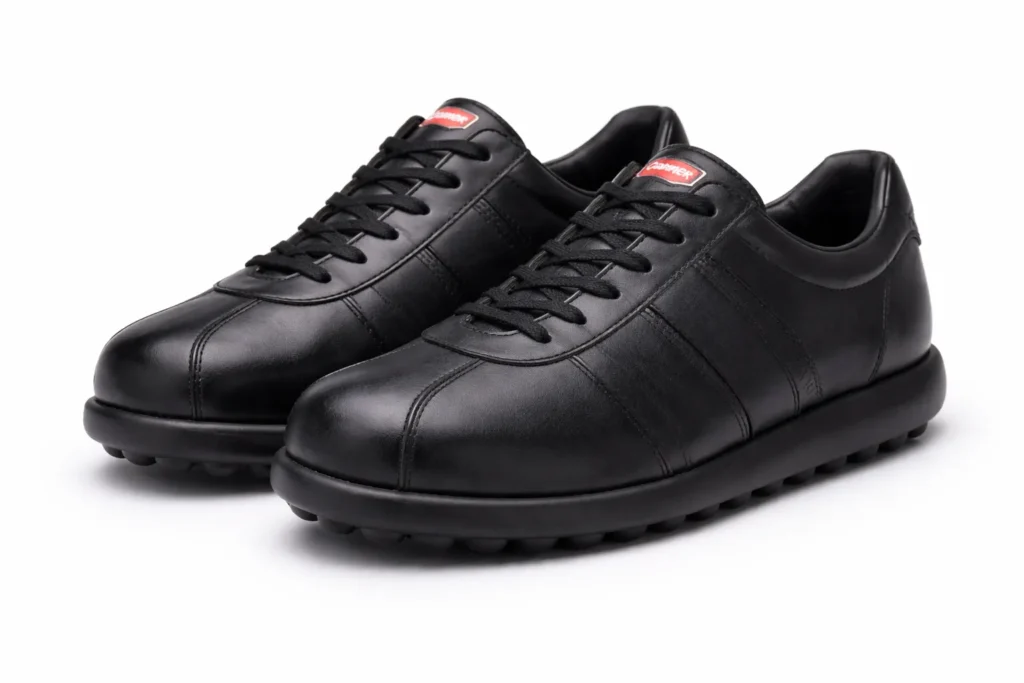
When you think of footwear that effortlessly blends Mediterranean heritage with avant-garde design, Camper shoes immediately come to mind. For decades, this brand has carved out a unique niche in the fashion world, refusing to choose between comfort and creativity. Whether you are navigating city streets, heading to a casual office, or exploring new travel destinations, a pair of Campers offers a distinctive look that stands apart from mass-market sneakers and stiff dress shoes.
But what exactly makes them so special? Why do people who buy one pair often end up collecting them for life? In this comprehensive guide, we will explore the history, technology, and style philosophy behind this iconic brand, helping you choose the perfect pair for your lifestyle.
A Legacy of Craftsmanship: The Camper Story
To understand the shoe, you must understand its roots. Camper was born in Mallorca, Spain, in 1975, founded by Lorenzo Fluxà. However, the shoemaking tradition in the Fluxà family dates back much further—to 1877, when Lorenzo’s grandfather traveled to England and brought the first sewing machines back to the island.
More Than Just a Shoe
“Camper” means “peasant” in Catalan. The brand’s philosophy was to create footwear that was durable, practical, and rooted in the rural heritage of Mallorca, yet updated for a modern, urban lifestyle. This duality—rural practicality meets urban design—is the heartbeat of every pair of Camper shoes produced today.
The Icon: The Camaleon
The very first shoe released by the brand was the Camaleon. It was inspired by the rustic shoes worn by local farmers, made from recycled tires and canvas. This commitment to sustainability and resourcefulness wasn’t a marketing trend in the 70s; it was a core value that continues to drive their innovation today.
Why Camper Shoes Stand Out in a Crowded Market
In a world flooded with footwear options, Camper maintains a loyal following. It’s not just about the logo; it’s about the engineering and the ethos.
Unmatched Comfort Technology
Comfort is often a buzzword, but for Camper, it is a science.
- Ergonomic Design: Most models feature wider toe boxes that allow your feet to spread naturally, preventing the pinched feeling common in fashion footwear.
- Lightweight Materials: By utilizing advanced EVA outsoles and soft leathers, the shoes reduce fatigue, making them ideal for all-day wear.
- Flexibility: The brand is famous for its “glove construction” technique, which maximizes flexibility and allows the shoe to move with your foot, not against it.
The “A Little Bit Off” Aesthetic
Camper’s slogan, “Imagination Walks,” perfectly captures their aesthetic. Their designs are often described as quirky, asymmetrical, or architectural. They don’t follow trends; they set their own rhythm.
- Asymmetry: The famous “Twins” concept, introduced in 1988, challenges the idea that the left and right shoe must be identical. Each pair tells a story through subtle differences in color or design.
- Color Use: While they offer classic blacks and browns, they are fearless with color, using bold primaries and unexpected contrasts.
Top Camper Models You Need to Know
If you are new to the brand, the sheer variety can be overwhelming. Here is a breakdown of the most iconic and popular models currently available.
The Pelotas: The Forever Classic
Inspired by the shape of vintage sports balls, the Pelotas features an iconic outsole made of 87 individual balls. Since its launch in 1995, it has sold millions of pairs.
- Best For: Everyday walking, casual work environments, and travel.
- Style Note: It has a retro-athletic vibe that pairs perfectly with jeans or chinos.
- Durability: Known to last for years, with many owners resoling them to extend their life further.
The Peu: The Natural Walker
The Peu line is modeled after the shape of the human foot. It features a unique elastic zigzag lace system that makes them easy to slip on and off while providing a secure fit.
- Best For: People who prioritize barefoot-feel comfort and minimalist design.
- Style Note: Its organic shape looks great with linen trousers or relaxed-fit denim.
- Sustainability: Often made with vegetable-tanned leathers and recycled components.
The Runner: Retro-Modern
This is Camper’s take on the classic sneaker. The Runner K21 serves up a retro look with increased volume and a craft feel.
- Best For: Urban commuting and weekend outings.
- Style Note: Highly versatile, working well with shorts in summer or cuffed jeans in autumn.
The Brutus: Chunky and Bold
For those who love the chunky boot trend, the Brutus delivers. It features a robust, thick sole but remains surprisingly lightweight thanks to modern material technology.
- Best For: Adding an edge to winter outfits and navigating wet city streets.
- Style Note: Looks fantastic with skinny jeans or midi skirts for a grunge-inspired look.
How to Style Camper Shoes for Any Occasion
One of the biggest misconceptions is that “comfort shoes” can’t be stylish. Camper proves this wrong. Here is how to integrate them into your wardrobe.
The Creative Professional
If you work in a creative field—architecture, design, marketing—Camper shoes are practically a uniform.
- The Look: Pair black leather Peu shoes with dark, tapered trousers and a crisp, untucked white button-down.
- Why It Works: It signals professionalism without stuffiness. It shows you care about design but value practicality.
The Weekend Explorer
For a Saturday spent at farmers’ markets or museums:
- The Look: Wear colorful Pelotas with rolled-up selvedge denim and a high-quality knit sweater.
- Why It Works: It’s rugged but refined. You look prepared for walking but polished enough for a nice lunch.
The Summer Vacation
Camper sandals, such as the Oruga, are essential for warm weather.
- The Look: Combine platform sandals with a flowing maxi dress or linen shorts.
- Why It Works: The platform gives you height without the pain of heels, and the sporty straps add a modern, athletic touch to feminine outfits.
Sizing and Fit Guide
Buying shoes online can be tricky. Here is what you need to know about how Camper shoes fit.
True to Size?
Generally, yes. Most models fit true to size. However, because many designs (like the Peu) have a wide toe box, they can feel roomier than standard sneakers like Nike or Adidas.
Width Considerations
If you have wide feet, this brand is a goldmine. The anatomical shape accommodates wider feet much better than pointed fashion shoes. If you have very narrow feet, look for models with laces (like the Runner) rather than slip-ons, so you can tighten the fit.
Leather Stretching
Remember that high-quality leather will stretch and mold to your foot over time. If a leather pair feels “snug but comfortable” in the store, it will likely be perfect after three or four wears.
Caring for Your Campers
To get the most out of your investment, proper care is essential.
Leather Care
- Clean: Remove dirt with a soft, damp cloth.
- Nourish: Use a high-quality shoe cream to keep the leather soft and prevent cracking. Camper sells their own line of care products, but generic high-quality creams work too.
- Protect: Use a water-repellent spray, especially on suede models.
Cleaning the Soles
The unique soles (like the bubbles on the Pelotas) can trap dirt. An old toothbrush and some soapy water are the best tools for getting into those crevices and keeping the outsoles looking fresh.
Storage
Don’t leave them in direct sunlight for prolonged periods, as this can fade the leather and dry out the rubber soles. Store them in a cool, dry place, ideally with shoe trees to maintain their shape.
Sustainability: Walking Lighter on the Earth
Modern consumers care about where their products come from. Camper has made significant strides in sustainability.
- ReCrafted Program: They have initiatives to give a second life to used shoes.
- Natural Materials: Increased use of Tencel, organic cotton, and natural rubber.
- Leather Working Group: They source leather from tanneries certified for their environmental performance.
Conclusion
Camper shoes represent a fusion of values that is rare in today’s fashion industry. They manage to be playful yet serious about quality, historic yet futuristic, and stylish yet incredibly comfortable. Investing in a pair is not just buying footwear; it is buying into a philosophy of walking through life with imagination and ease.
Whether you choose the classic Pelotas, the organic Peu, or a bold new seasonal style, your feet will thank you. In a world of fast fashion, Camper invites you to slow down, appreciate the craftsmanship, and enjoy the journey.
Frequently Asked Questions (FAQs)
Q: Are Camper shoes good for walking all day?
A: Absolutely. Models like the Pelotas and Peu are specifically designed for long-term wear, featuring shock-absorbing soles and anatomical footbeds that reduce fatigue.
Q: Where are Camper shoes made?
A: While the design headquarters remain in Inca, Mallorca, production takes place in various countries including Vietnam, China, and Portugal, always under strict quality and ethical standards.
Q: Can I wash my Camper shoes in the washing machine?
A: It is generally not recommended to put leather or suede shoes in the washing machine. For canvas models, check the specific care label, but hand washing is always safer to preserve the glues and structure.
Q: Do Camper shoes have arch support?
A: Most models offer moderate arch support suitable for the average foot. Many also feature removable insoles, allowing you to insert your own custom orthotics if you need specialized support.
Q: What is the “Twins” concept?
A: “Twins” is a design concept where the left and right shoes are not identical but complementary. They might have different embroidery, inverted colors, or asymmetrical patterns that create a complete picture when feet are together.

Sofia Bennett is a fashion writer and style observer known for her clean sense of aesthetics and trend analysis. She has covered fashion shows, reviewed designer collections, and interviewed independent creators. Sofia specializes in connecting fashion with real-life lifestyle choices, helping readers understand what looks good — and why.