
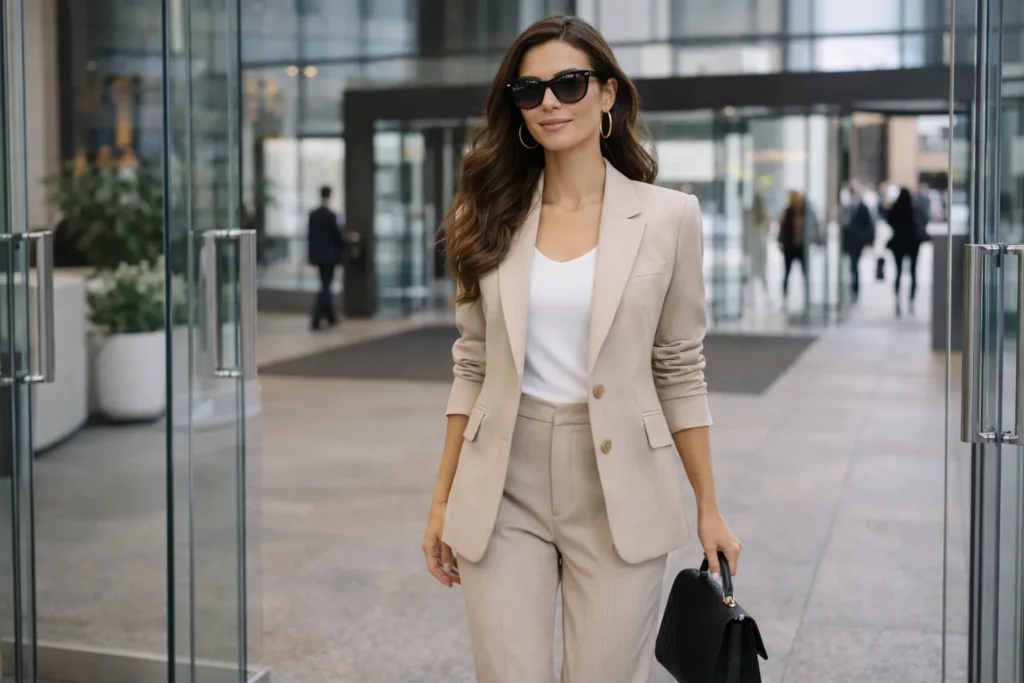
Walking into a job interview is always nerve-wracking, but when that interview is in the fashion industry, the stakes are significantly higher. In this field, your resume tells them what you can do, but your clothes tell them who you are. Choosing the right fashion interview outfit is often your first practical test. It demonstrates your taste, your understanding of the brand, and your ability to present yourself professionally. Whether you are interviewing for a role at a luxury heritage house, a fast-paced PR agency, or a cutting-edge streetwear startup, this guide will help you curate a look that says “I belong here.”
Decoding the Dress Code: Research is Key
Before you even open your closet, you need to do your homework. The fashion industry is not a monolith; what works for Vogue won’t necessarily work for Supreme. The most critical step in planning your fashion interview outfit is understanding the specific culture of the company you are visiting.
The Luxury Heritage Brand
If you are interviewing at a historic house like Chanel, Dior, or Burberry, the vibe is polished, sophisticated, and respectful of tradition.
- The Vibe: Elegant, tailored, and understated luxury.
- What to Wear: A sleek suit in a modern cut, a midi dress with a blazer, or high-quality separates. Stick to neutral palettes—black, navy, camel, or cream.
- What to Avoid: Distressed denim, overly loud prints, or anything too revealing.
The Contemporary or E-Commerce Brand
Companies like Revolve, Zara, or ASOS have a more trend-driven and commercially focused environment. They want to see that you understand the current market.
- The Vibe: Chic, current, and accessible.
- What to Wear: Mix a trendy piece with a classic staple. For example, wide-leg trousers paired with a fitted bodysuit and a structured blazer. Accessories can be a bit more playful here.
- What to Avoid: Looking “stuffy” or outdated. You want to look like their target customer, but elevated.
The Creative Agency or Magazine
Editorial and creative roles allow for—and often demand—more personal expression. This is where you can take a few risks.
- The Vibe: Artistic, individualistic, and fashion-forward.
- What to Wear: Interesting silhouettes, bold colors, or unique textures. A statement coat, architectural jewelry, or a pair of standout boots can serve as great conversation starters.
- What to Avoid: Being boring. A plain black suit might signal a lack of creativity unless styled impeccably.
The Streetwear or Sneaker Brand
For brands like Nike, Supreme, or Kith, the rules are rewritten. Authenticity is the currency here.
- The Vibe: Cool, relaxed, and culturally aware.
- What to Wear: Clean, high-end sneakers are acceptable (and often encouraged) if paired correctly. Think tailored joggers with a crisp shirt, or a designer hoodie under a structured coat.
- What to Avoid: Trying too hard. Don’t wear the brand head-to-toe if it looks like a costume.
Building Your Look: Essential Components
Once you understand the company culture, you can start assembling the pieces. Here are the core elements of a successful fashion interview outfit.
The Power of the Third Piece
The “third piece rule” is a stylist’s secret weapon. It suggests that every outfit needs three key elements (excluding shoes) to look finished.
- Base: Top and bottom (e.g., trousers and a blouse) or a dress.
- The Third Piece: A blazer, a cardigan, a vest, or a statement belt.
- Why it Works: Adding a jacket or layer instantly makes an outfit look more structured and professional. It shows you put thought into the ensemble.
Footwear Matters
In fashion, people look at your shoes. They are often the indicator of your attention to detail.
- Comfort is Non-Negotiable: You need to walk confidently. If you are wobbling in 5-inch stilettos, it projects insecurity.
- Polished and Pristine: Whether you choose loafers, boots, heels, or clean sneakers, ensure they are scuff-free.
- The Safe Bet: A chic pair of ankle boots or pointed-toe flats works for almost any interview setting.
Accessories: The Finishing Touches
Accessories are where you can inject your personality without overwhelming the look.
- Jewelry: Keep it tasteful. A stack of rings or a pair of sculptural earrings can show style. Avoid anything that makes noise when you move.
- The Bag: Bring a structured tote or a sleek portfolio case. It should be large enough to hold copies of your resume and a notebook but not so big that it’s cumbersome.
- Grooming: This is part of the outfit. Clean nails, tidy hair, and natural makeup (unless a bold lip is your signature) show you care about presentation.
Fashion Interview Outfit Ideas by Season
The weather shouldn’t compromise your style. Here is how to navigate the seasons while maintaining professionalism.
Spring/Summer Interviews
Heat and humidity can be enemies of a crisp outfit.
- Fabrics: Choose breathable materials like cotton, linen blends (beware of wrinkles), or lightweight silk.
- Colors: Lighter neutrals, pastels, or soft monochrome looks.
- The Look: A sleeveless tailored dress with a lightweight blazer (which you can remove during transit). Or, a pleated midi skirt with a crisp white shirt. Open-toe shoes are generally acceptable in fashion now, but ensure your pedicure is perfect.
Fall/Winter Interviews
Cold weather offers great opportunities for layering and rich textures.
- Fabrics: Wool, cashmere, leather, and tweed.
- Colors: Deep jewel tones, charcoal, chocolate brown, and black.
- The Look: A monochromatic turtleneck and trouser combination with a statement wool coat. Heeled leather boots look professional and keep you warm. Tights are a must if you are wearing a skirt—opt for sheer black or a subtle pattern.
Common Mistakes to Avoid
Even seasoned fashionistas can make errors when the pressure is on. Avoid these common pitfalls when planning your fashion interview outfit.
1. Wearing the Brand Head-to-Toe
While it’s great to wear a piece from the designer you are interviewing with to show support, wearing a full runway look can seem desperate or sycophantic. Mix their piece with other high-low items to show you know how to style their product in the real world.
2. Prioritizing Trends Over Fit
A trendy oversized suit looks terrible if it’s just too big. Fit is everything. An inexpensive outfit that is tailored to your body looks infinitely better than an ill-fitting designer ensemble.
3. Being Too Casual
“Casual cool” is a hard balance to strike. If you are unsure, always err on the side of being slightly overdressed. It shows respect for the opportunity. It is better to be the best-dressed person in the room than the most underdressed.
4. Ignoring the Details
A missing button, a loose hem, or pet hair on your black pants will be noticed. Fashion professionals have a trained eye for detail. Inspect your clothes under bright light the night before.
5. Over-Perfuming
Scent is powerful, but in a small interview room, it can be overwhelming. Skip the heavy perfume. You want to be remembered for your portfolio, not your fragrance cloud.
The Psychology of Your Outfit
What you wear affects how you feel. This is known as “enclothed cognition.” When you wear clothes that you associate with power, creativity, and professionalism, you actually perform better mentally.
- The Confidence Boost: If you feel good in your outfit, you will sit taller, speak more clearly, and make better eye contact.
- The Comfort Factor: If you are constantly pulling down a skirt or adjusting a strap, you will appear distracted and nervous. Choose an outfit that allows you to forget about it and focus on the conversation.
Conclusion
Choosing the perfect fashion interview outfit is the first step in showcasing your suitability for the industry. It proves you have research skills, taste, and an understanding of branding. Remember, the goal is not just to look “fashionable” in a general sense, but to look like the best, most professional version of yourself that fits seamlessly into that specific company’s world.
Take the time to research, plan, and refine your look. When you walk through those doors, let your outfit speak volumes before you even say a word. You are selling a vision of yourself as a future employee—make sure the packaging is as impressive as the product.
Good luck!
Frequently Asked Questions (FAQs)
Q1: Is it okay to wear jeans to a fashion interview?
A1: Generally, no, unless you are interviewing at a denim brand or a very casual streetwear company. Even then, it is risky. If you must wear denim, ensure it is a dark wash, tailored, and free of holes. Pair it with a blazer and heels to elevate the look.
Q2: Should I bring my portfolio even if I sent a digital copy?
A2: Yes. Technology can fail. Having a physical copy of your resume and a tablet or printed book of your work shows preparedness. It also gives you a prop to reference during the discussion.
Q3: Can I wear bright colors?
A3: Yes, but use them strategically. A pop of color (like a red blouse or green shoes) can make you memorable. However, avoid neon colors or clashing patterns that might be distracting. If you wear a bright color, keep the silhouette simple.
Q4: What if I don’t own any designer clothes?
A4: You do not need to wear designer labels to work in fashion. High-street brands like Zara, COS, and Mango offer excellent tailored pieces. It is about how you style the clothes, the fit, and the fabric quality, not the label inside.
Q5: How should I wear my makeup?
A5: Aim for a polished, fresh look. “No-makeup makeup” is a standard in the industry—glowing skin, groomed brows, and mascara. If you are interviewing at a beauty brand, you can show off more skill, but keep it professional.

Sofia Bennett is a fashion writer and style observer known for her clean sense of aesthetics and trend analysis. She has covered fashion shows, reviewed designer collections, and interviewed independent creators. Sofia specializes in connecting fashion with real-life lifestyle choices, helping readers understand what looks good — and why.