
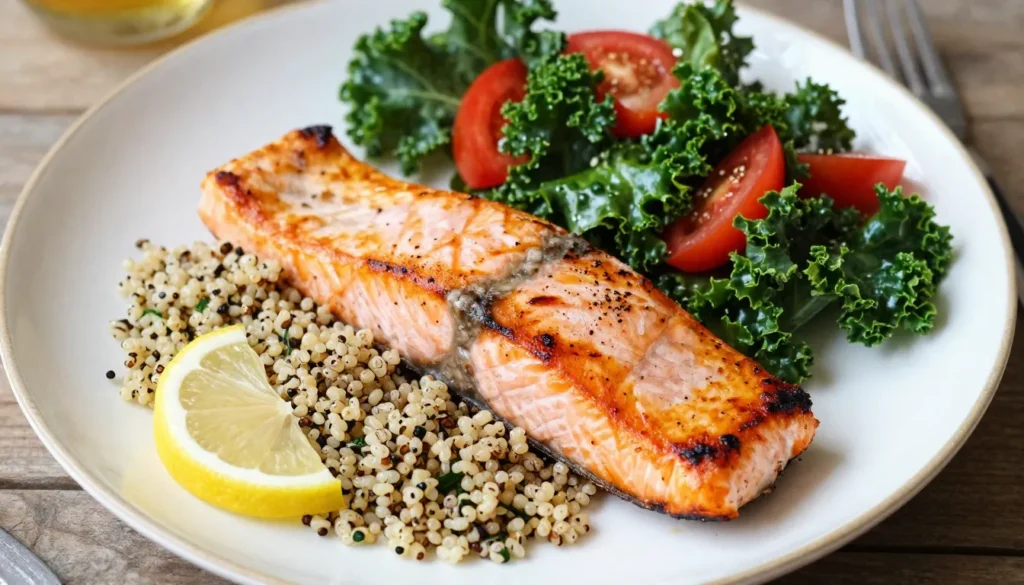
For generations, we have heard the saying, “You are what you eat.” This simple phrase holds a profound truth about the undeniable connection between food & health. The meals we consume do more than just silence hunger; they are the building blocks for our cells, the fuel for our energy, and the first line of defense for our immune system. What you put on your plate directly impacts how you feel, think, and function every single day.
Understanding this relationship is the first step toward taking control of your well-being. This guide will demystify the science of nutrition, break down the roles of essential nutrients, and provide practical strategies for creating a diet that supports a vibrant, healthy life. We will move beyond confusing fads and focus on sustainable principles for long-term vitality.
Why the Link Between Food & Health is Stronger Than You Think
Many people associate diet solely with weight management. While food intake is a key factor in body composition, its influence extends much further. A well-balanced diet is fundamental to nearly every bodily process, from cognitive function to emotional stability.
The Gut-Brain Axis
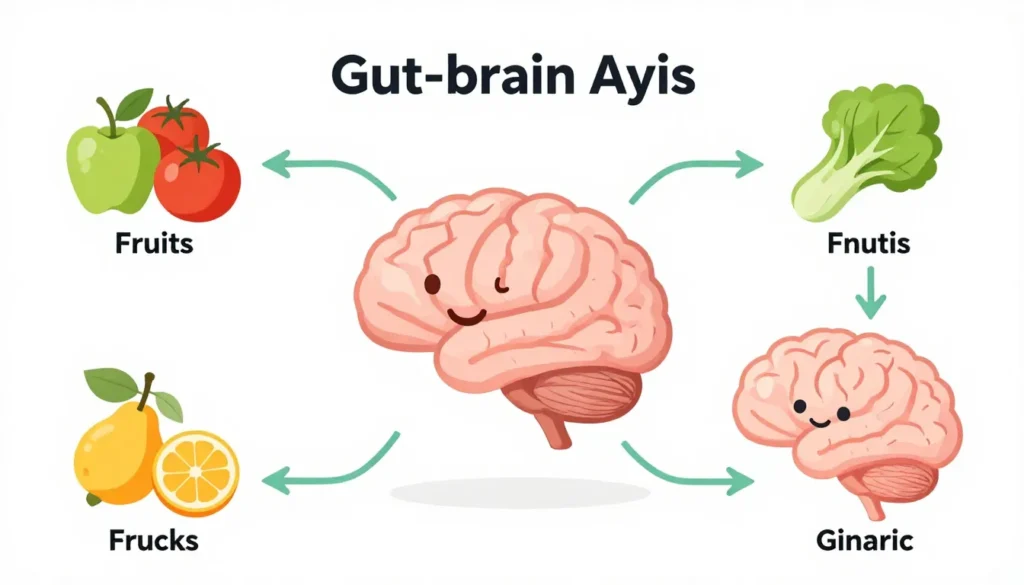
One of the most exciting areas of recent scientific discovery is the “gut-brain axis,” a direct communication pathway between your digestive system and your brain. Your gut is home to trillions of microorganisms, collectively known as the gut microbiome. These bacteria help produce neurotransmitters like serotonin and dopamine, which are crucial for mood regulation.
A diet rich in processed foods can disrupt this delicate ecosystem, potentially contributing to mood swings, anxiety, and even depression. Conversely, a diet high in fiber from fruits, vegetables, and whole grains nourishes healthy gut bacteria, promoting better mental clarity and emotional balance.
Cellular Health and Longevity
The food you eat provides the raw materials your body needs to repair and regenerate cells. Antioxidants found in berries, leafy greens, and nuts help fight oxidative stress—a process that damages cells and contributes to aging and chronic diseases like heart disease and cancer. By choosing nutrient-dense foods, you are actively protecting your body at a cellular level.
The Building Blocks of a Healthy Diet: Understanding Macronutrients
To optimize the connection between food & health, you need to understand the three main macronutrients. These are the nutrients your body needs in the largest amounts to provide energy and support growth.
1. Carbohydrates: Your Body’s Preferred Fuel
Carbohydrates often get a bad reputation, but they are your body’s primary energy source. The key is to choose the right kind.
- Simple Carbohydrates: Found in sugar, white flour, and processed snacks. They are digested quickly, causing a rapid spike and subsequent crash in blood sugar. This can lead to fatigue and cravings.
- Complex Carbohydrates: Found in whole grains (oats, quinoa, brown rice), legumes (beans, lentils), and starchy vegetables (sweet potatoes). They are packed with fiber, so they digest slowly, providing a steady stream of energy.
2. Proteins: The Repair Crew
Protein is essential for building and repairing tissues, making enzymes and hormones, and supporting immune function. Every cell in your body contains protein.
- Complete Proteins: Contain all nine essential amino acids your body cannot produce on its own. Sources include meat, poultry, fish, eggs, and dairy products.
- Incomplete Proteins: Lack one or more essential amino acids. Plant-based sources like beans, nuts, and grains fall into this category. Vegetarians and vegans can get all essential amino acids by eating a variety of plant protein sources throughout the day.
3. Fats: More Than Just Flavor
Fats are vital for brain health, hormone production, and the absorption of fat-soluble vitamins (A, D, E, and K). Like carbs, the type of fat matters.
- Unsaturated Fats (Healthy Fats): Found in avocados, nuts, seeds, and olive oil. These fats can improve blood cholesterol levels and reduce inflammation.
- Saturated Fats: Found primarily in animal products and some tropical oils like coconut oil. Should be consumed in moderation.
- Trans Fats: Artificially created fats found in many fried and processed foods. These should be avoided as they increase the risk of heart disease.
Micronutrients: The Small but Mighty Helpers
While you need them in smaller amounts, micronutrients—vitamins and minerals—are critical for your health. Deficiencies can lead to a wide range of health problems.
Key Vitamins to Know
- Vitamin C: A powerful antioxidant that supports the immune system. Found in citrus fruits, bell peppers, and broccoli.
- Vitamin D: Crucial for bone health and immune function. Your body can produce it from sunlight, but it’s also found in fatty fish and fortified milk.
- B Vitamins: A group of vitamins that play a huge role in energy metabolism. Found in whole grains, meat, eggs, and legumes.
Essential Minerals
- Iron: Carries oxygen in the blood. A deficiency can cause anemia and fatigue. Found in red meat, spinach, and lentils.
- Calcium: Essential for strong bones and teeth. Found in dairy products, leafy greens (like kale), and fortified plant milks.
- Magnesium: Involved in over 300 biochemical reactions in the body, including muscle function and nerve signaling. Found in nuts, seeds, and dark chocolate.
Crafting Your Optimal Diet: Practical Strategies
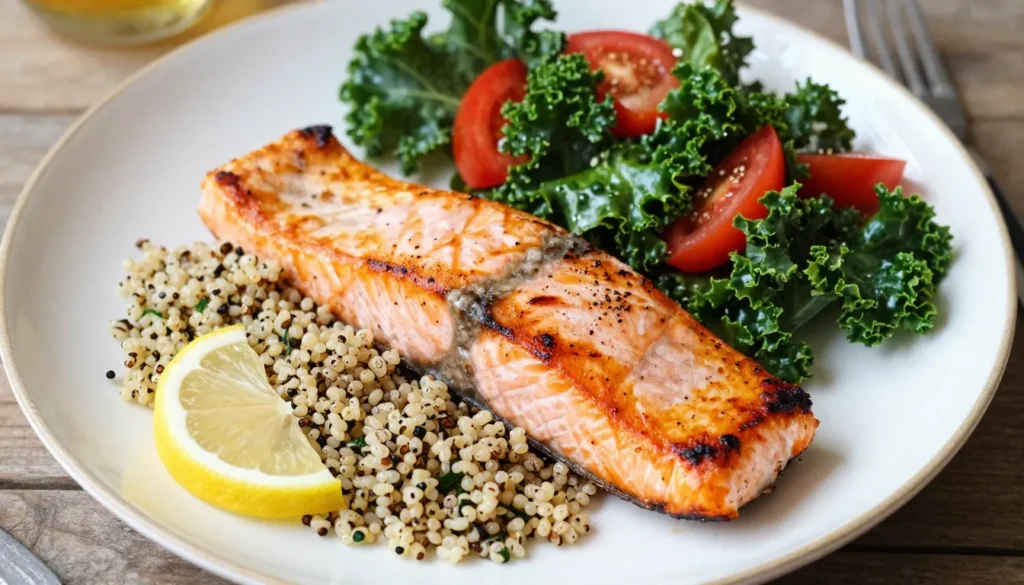
The best diet is not a one-size-fits-all prescription. It’s a sustainable lifestyle that works for you. Here are some guiding principles to enhance your personal food & health journey.
1. Prioritize Whole Foods
The simplest rule for healthy eating is to eat real food. Whole foods are foods that are as close to their natural state as possible. Think apples instead of apple juice, or grilled chicken instead of chicken nuggets. They are naturally rich in nutrients and free from the artificial additives, sugars, and unhealthy fats found in ultra-processed products.
2. The Power of the Plate Method
A simple visual guide for balanced meals is the “plate method”:
- Fill half your plate with non-starchy vegetables: Think broccoli, spinach, bell peppers, or a large salad. These are low in calories but high in fiber, vitamins, and minerals.
- Fill one-quarter of your plate with a lean protein source: This could be chicken, fish, tofu, or beans.
- Fill the remaining quarter with a complex carbohydrate: Choose quinoa, brown rice, or a small sweet potato.
3. Hydration is Non-Negotiable
Water is essential for every bodily function, from digestion to temperature regulation. Dehydration can cause headaches, fatigue, and brain fog. Aim to drink water consistently throughout the day, not just when you feel thirsty. Herbal tea and water-rich foods like cucumber and watermelon also contribute to your daily intake.
4. Practice Mindful Eating
How you eat is just as important as what you eat. Mindful eating involves paying full attention to the experience of eating and drinking, both inside and outside the body.
- Slow down: Chew your food thoroughly and put your fork down between bites.
- Eliminate distractions: Turn off the TV and put away your phone during meals.
- Listen to your body: Eat when you are hungry and stop when you are full. This helps you reconnect with your body’s natural hunger and satiety cues.
How Different Diets Impact Health
The world is full of dietary plans, from Mediterranean to Keto. Understanding their core principles can help you decide what might work for you.
The Mediterranean Diet
Consistently ranked as one of the healthiest eating patterns, it emphasizes fruits, vegetables, whole grains, legumes, nuts, and healthy fats like olive oil. Fish is a primary protein source, while red meat is limited. It is strongly linked to a lower risk of heart disease and improved longevity.
Plant-Based Diets (Vegetarian and Vegan)
These diets focus on foods derived from plants. Well-planned vegetarian and vegan diets are rich in fiber and low in saturated fat, which can lead to lower cholesterol levels, lower blood pressure, and a reduced risk of type 2 diabetes. However, careful planning is needed to avoid deficiencies in nutrients like Vitamin B12 and iron.
Ketogenic (Keto) Diet
This is a very low-carb, high-fat diet. By drastically reducing carbohydrate intake, it forces the body into a metabolic state called ketosis, where it burns fat for fuel. While it can be effective for rapid weight loss and has therapeutic uses for conditions like epilepsy, its long-term health impacts are still being studied.
Conclusion
The link between food & health is not a trend; it is a fundamental biological reality. By making conscious, informed choices about what you eat, you are investing in your long-term well-being. Start with small, manageable changes. Swap a sugary soda for water, add a side salad to your dinner, or try one new vegetable a week.
Every meal is an opportunity to nourish your body, sharpen your mind, and build a foundation for a healthier, more energetic life. Listen to your body, prioritize whole foods, and enjoy the journey of discovering how powerful the right fuel can be.
Frequently Asked Questions (FAQs)
Q: Do I need to count calories to be healthy?
A: Not necessarily. While calories matter for weight management, focusing on the quality of your food is often more sustainable and beneficial for overall health. If you eat a diet rich in whole foods and practice mindful eating, you will naturally consume an appropriate amount of calories.
Q: Are organic foods really better for your health?
A: Organic foods are grown without synthetic pesticides and fertilizers. Some studies suggest they may have slightly higher levels of certain antioxidants. The primary benefit is reduced exposure to pesticide residues. If your budget is a concern, focus on buying organic for produce on the “Dirty Dozen” list, which has the highest pesticide levels.
Q: What is the best way to get more fiber in my diet?
A: Increase your intake of whole grains (like oats and barley), legumes (beans, lentils, chickpeas), fruits (especially berries, apples, and pears), and vegetables. Adding a tablespoon of chia seeds or ground flaxseed to a smoothie or yogurt is another easy way to boost fiber.
Q: Is it okay to have “cheat meals”?
A: The concept of “cheating” can create a negative relationship with food. It’s better to adopt an 80/20 approach, where you focus on eating nutritious foods 80% of the time and allow yourself to enjoy your favorite treats in moderation the other 20% of the time. This promotes balance and sustainability.
Q: How does sugar affect my health beyond weight gain?
A: Excessive sugar intake contributes to inflammation, increases the risk of type 2 diabetes and heart disease, and can negatively impact your mood and energy levels. It can also lead to non-alcoholic fatty liver disease.

Sofia Bennett is a fashion writer and style observer known for her clean sense of aesthetics and trend analysis. She has covered fashion shows, reviewed designer collections, and interviewed independent creators. Sofia specializes in connecting fashion with real-life lifestyle choices, helping readers understand what looks good — and why.