
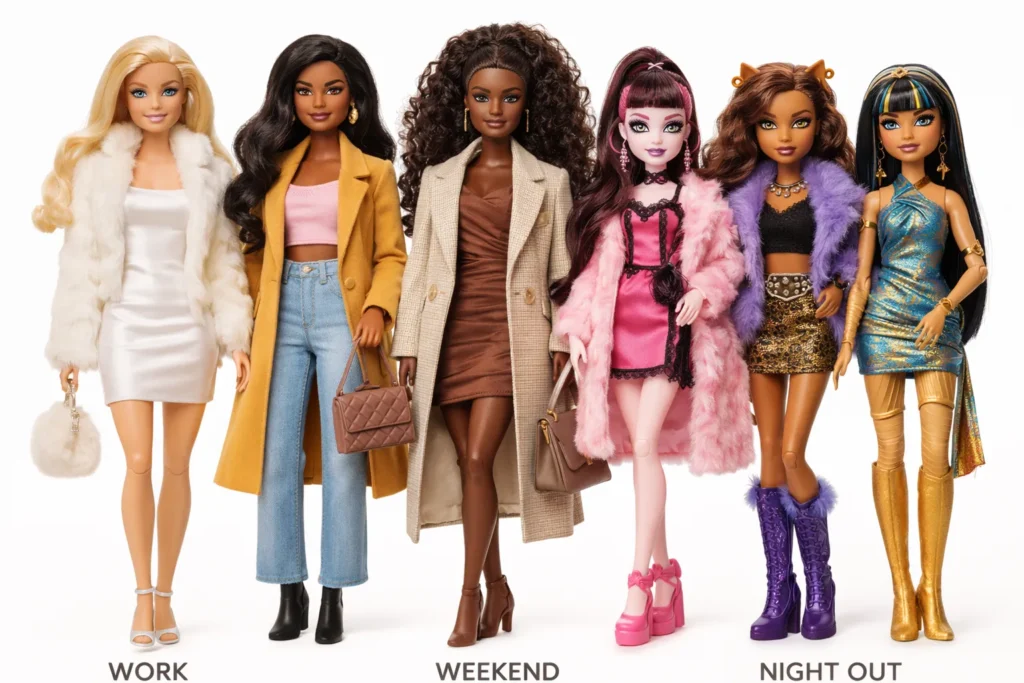
Welcome to the intricate and endlessly imaginative universe of fashion doll outfits. Far more than simple plastic garments, these tiny ensembles represent a powerful avenue for creativity, storytelling, and artistic expression. Whether you are a seasoned collector seeking rare vintage pieces, a parent crafting handmade looks with a child, or a hobbyist sewing intricate 1:6 scale designs, the world of doll fashion offers a unique and rewarding journey. This comprehensive guide is your gateway to mastering this fascinating hobby. We will delve into the diverse landscape of fashion dolls, explore the art of styling and coordination, provide practical tutorials for creating your own DIY doll clothes, and examine the vibrant communities that bring this passion to life. From the iconic glamour of a Barbie gown to the edgy aesthetic of Monster High, every stitch and accessory tells a story. Let’s begin dressing your dolls in style.
Understanding the Fashion Doll Landscape
Before you start a wardrobe, it’s crucial to understand the canvas the doll itself. Not all dolls are created equal, and their proportions dictate everything from fit to style potential.
Popular Doll Lines & Their Signature Styles
Each major doll brand cultivates a distinct fashion identity, offering a wide range of doll clothing inspiration.
- Barbie (Mattel): The quintessential fashion doll. Her style is vast, encompassing everything from career woman outfits and casual weekend wear to haute couture gowns and fantasy costumes. Modern Barbie styles often reflect real-world trends.
- Monster High (Mattel): Celebrating “freaky fabulous” style, these dolls are known for their edgy, punk, goth, and glam-rock aesthetics. Think bold colors, asymmetrical cuts, spiderweb tights, and skull motifs. Styling here is about embracing a unique, alternative persona.
- Rainbow High/Shadow High (MGA Entertainment): These dolls are renowned for their hyper-stylized, high-fashion looks, rooted in color theory. Each doll embodies a specific color palette or aesthetic (e.g., grunge, preppy, Y2K), with a focus on detailed screening, intricate sewing, and abundant, high-quality accessories.
- American Girl (Mattel): Focused on historical and contemporary character-driven stories. Their outfits are less about high fashion and more about authentic, detailed, and period-accurate clothing that supports narrative play.
- Blythe (Takara Tomy/Custom): Known for her large head and eyes, Blythe is a favorite in the custom doll community. Her style is often whimsical, artistic, vintage-inspired, or avant-garde, with a heavy emphasis on handmade and one-of-a-kind pieces.
Key Measurements and Fit
A perfectly fitted garment elevates a doll’s look instantly. Understanding scale is paramount.
- Standard 1:6 Scale: This includes most 11.5-12 inch fashion dolls like Barbie, MTM (Made to Move), and similar-sized dolls.
- Common Measurements: Key points to measure include:
- Chest/Bust: Around the fullest part.
- Waist: The natural indentation.
- Hips: Around the widest part.
- Torso Length: From shoulder to waist.
- Inseam: For pants.
- Fit Tip: Always check if a doll is “original” or “curvy” body type, as patterns and ready-made clothes will differ. A well-fitting outfit should not gape, bulge, or restrict articulation.
The Art of Styling Your Fashion Doll
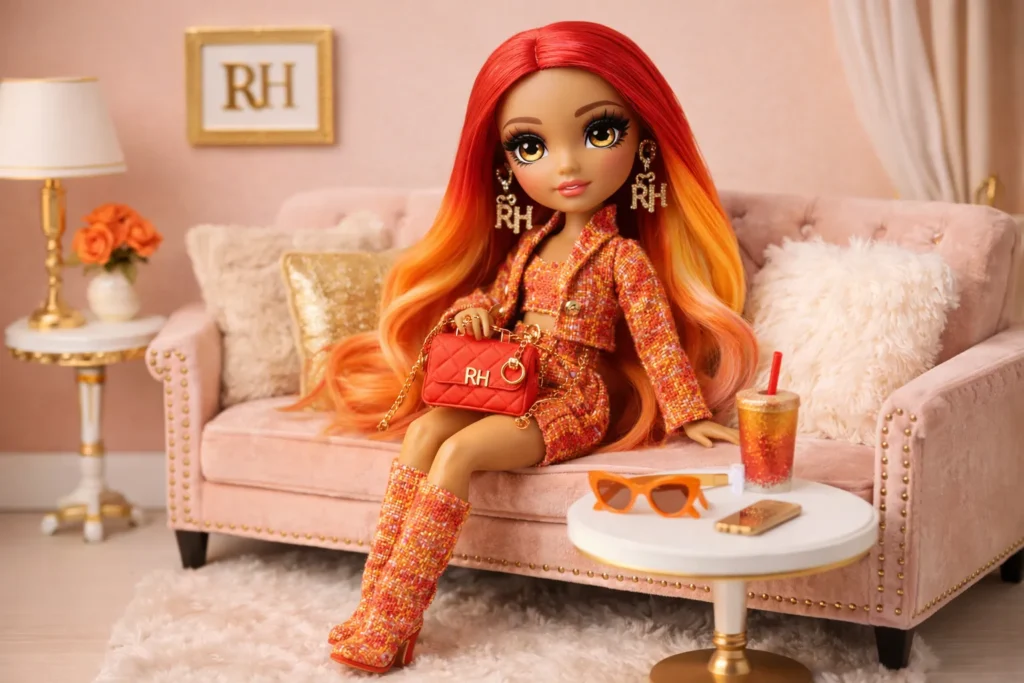
Styling a doll is akin to being a personal stylist or costume designer for a miniature client. It involves color, theme, balance, and storytelling.
Building a Cohesive Doll Wardrobe
Think in terms of capsules and complete looks, not just individual pieces.
- Start with Basics: Every doll needs foundational pieces. These form the building blocks for countless outfits.
- A well-fitting pair of jeans or leggings.
- A simple tank top or bodysuit in black, white, or nude.
- A little black dress or a versatile skirt.
- A basic jacket or cardigan.
- Add Statement Pieces: This is where personality shines. Introduce items like a sequined blazer, a tulle skirt, a faux leather jacket, or an elaborately printed dress.
- The Power of Accessories: Accessories are the exclamation point of any doll fashion look.
- Footwear: Heels, boots, sneakers, and flats in various styles.
- Bags: Purses, backpacks, clutches.
- Jewelry: Necklaces, bracelets, rings, and earrings (note: some doll earrings are permanent).
- Other: Hats, glasses, scarves, belts.
Creative Styling Themes & Challenges
Break out of routine with fun, thematic styling projects. These are perfect for social media or personal creativity boosts.
- Decade Themes: Dress your doll in accurate 1950s pin-up, 1970s disco, or 1990s grunge attire.
- Color Palette Challenges: Style an outfit using only monochrome, pastels, or complementary colors.
- “Dollified” Real Outfits: Take an outfit from a fashion magazine, a movie character, or your own closet and recreate it in miniature.
- Seasonal Styles: Craft cozy winter knits, breezy summer dresses, or layered autumn looks.
Creating Your Own Fashion Doll Outfits: A DIY Journey
The pinnacle of the hobby is crafting original garments. It’s a satisfying skill that yields truly unique results.
Introduction to Materials and Tools
You don’t need a full-scale sewing studio to start.
- Fabrics: Choose fabrics with minimal stretch and fraying for beginners.
- Beginner-Friendly: Felt, cotton quilting fabric, stretch velvet, and microfiber.
- Advanced: Silks, satins, lace, and fine knits.
- Essential Tools:
- Sharp, small fabric scissors.
- Fine pins (quilting pins work well) or clips.
- Hand-sewing needles or a sewing machine with a standard foot.
- Thread in various colors.
- Fabric glue (for non-wearable displays or quick fixes).
- Measuring tape and ruler.
- Patterns: Start with simple, free printable doll clothes patterns available online.
Simple Sewing Projects to Start
- A-Line Skirt: This requires only a rectangle of fabric, a waistband, and a back seam/closure. It’s a perfect first project.
- Basic Top: Using a simple T-shirt or tank top pattern teaches you about setting sleeves (if applicable) and finishing necklines.
- No-Sew Cape: Cut a circle or rectangle of felt or velvet, add a ribbon tie at the neck, and instantly create a dramatic cape or cloak.
Beyond Sewing: Alternative Crafting Techniques
Not ready for a needle and thread? Plenty of creative options exist.
- Upcycling: Transform existing human-scale items. Old socks become leggings, lace trim becomes a skirt, and buttons become purses or hats.
- Knitting & Crocheting: With fine yarn and small hooks/needles, you can create incredibly detailed sweaters, scarves, and dresses.
- Fusing with Glue: For decorative items like appliqués, sequins, or creating stiff fabrics for hats and shoes, fabric glue is your best friend.
The Collector’s Perspective: Preservation and Display
For many, fashion doll outfits are collectible artworks with historical and monetary value.
Caring for Vintage and Delicate Outfits
Preservation is key, especially for dolls like vintage Barbie or Silkstones.
- Storage: Store outfits flat in acid-free tissue paper within plastic bags or containers. Avoid attics and basements with temperature fluctuations.
- Cleaning: For vintage fabric, less is more. Surface dirt can often be gently brushed away. For more significant stains, consult a specialist in textile conservation.
- Handling: Always handle outfits with clean, dry hands. The oils and acids on skin can damage delicate fabrics and trims over time.
Creative Display Ideas
Showcase your doll’s style as part of your home decor.
- Shadow Boxes: Create a themed scene with a doll and her complete outfit in a deep frame.
- Miniature Wardrobes & Hangers: Use doll-sized hangers on a tiny rack or pegboard to display outfits like a boutique.
- Themed Dioramas: Build a setting—a café, a studio, a library—that complements your doll’s fashion story.
Conclusion:
The pursuit of the perfect fashion doll outfits is a multifaceted hobby that blends art, craft, history, and community. It encourages mindfulness through detailed handwork, fosters creativity through design and storytelling, and connects people across generations and cultures. Whether you find joy in the hunt for a rare vintage piece, the quiet focus of sewing a tiny seam, or the shared excitement of a themed photoshoot online, this world has a place for you. So, pick up a doll, envision her story, and start creating. The next iconic miniature look could be the one you design today.
FAQs: Your Fashion Doll Outfit Questions, Answered
Q1: Where can I find free patterns for doll clothes?
A: There are many generous creators online! Excellent sources include platforms like Pinterest (search “free Barbie sewing pattern”), crafting blogs dedicated to doll customization, and the official websites of some doll fan communities. Always check the creator’s terms of use.
Q2: My doll has stained clothing from old rubber bands or accessories. Can it be fixed?
A: Stains from deteriorating rubber (common in vintage dolls) are often permanent and deeply set. However, you can try gentle methods on the fabric only (never the doll’s vinyl body first). A mild soap and distilled water solution applied with a Q-tip can sometimes lift surface stains. For valuable outfits, seeking advice from a professional doll restorer is safest.
Q3: What’s the best adhesive for making doll shoes or non-fabric accessories?
A: For bonding materials like polymer clay, leather, or wood in doll-scale projects, a strong, precise adhesive like E6000 or a gel-based super glue is commonly recommended. They provide a strong, flexible bond. Always work in a well-ventilated area.
Q4: How can I make doll clothes look more “lived-in” or realistic?
A: This technique is called “weathering.” You can lightly sand hems and edges of jeans, use watered-down acrylic paint to create subtle dirt or wear marks on shoes, or carefully fray the edges of cut fabric for a bohemian look. Less is more build effects slowly.
Q5: Are there doll lines that share clothing sizes?
A: Yes! Many 1:6 scale dolls have similar, though not always identical, proportions. Barbie (Original and Curvy), Made to Move (MTM), and many off-brand fashion dolls can often share basics like skirts and loose tops. Rainbow High dolls are slightly taller and curvier, so their clothes are often tight or too short on Barbie, but can sometimes work for a oversized look. Always test-fit.

Sofia Bennett is a fashion writer and style observer known for her clean sense of aesthetics and trend analysis. She has covered fashion shows, reviewed designer collections, and interviewed independent creators. Sofia specializes in connecting fashion with real-life lifestyle choices, helping readers understand what looks good — and why.