
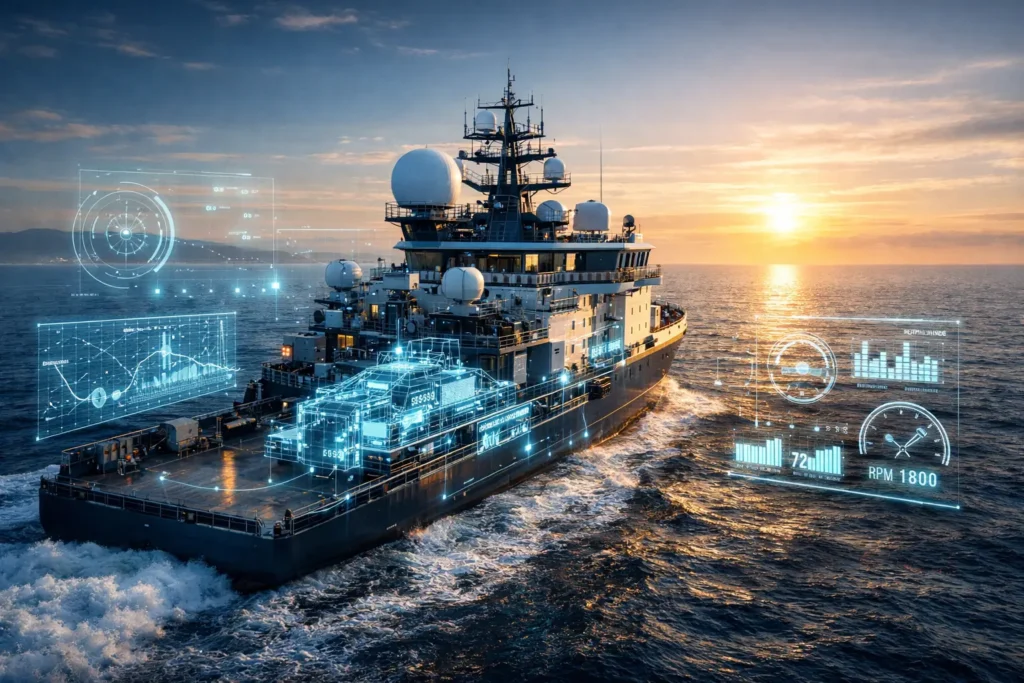
If you’ve spent any time around commercial vessels, offshore operations, shipyards, or even advanced recreational boats, you’ve probably noticed something subtle but powerful happening. The marine world is no longer driven by steel and diesel alone. It’s being reshaped by systems thinking, automation, data, and integrated engineering. That shift is what people mean when they talk about total marine technology.
This topic matters right now because the pressures on the marine industry are stacking up from every direction. Fuel costs fluctuate wildly. Environmental regulations are tightening. Crews are harder to recruit and retain. Downtime is more expensive than ever. At the same time, clients expect safer operations, better visibility, and measurable efficiency gains. Total marine technology sits at the center of all those demands.
This article is written for operators, engineers, technical managers, ship owners, procurement teams, and even curious newcomers who want to understand how modern marine systems actually work together in the real world. Not in theory. Not in sales brochures. In practice.
By the end, you’ll understand what total marine technology really means, how it’s applied across different sectors, where the real value comes from, and how to make smarter decisions when evaluating systems, vendors, or upgrades. The goal is clarity, confidence, and practical insight you can actually use.
Understanding Total Marine Technology From the Ground Up
At its core, total marine technology is about integration. Instead of treating navigation, propulsion, power generation, safety, communications, and monitoring as isolated systems, this approach views a vessel or marine operation as a single, interconnected ecosystem.
A simple analogy helps. Think of an old-style house where the heating, electrical, plumbing, and security systems were all installed separately over decades. Each works on its own, but they don’t talk to each other. Now compare that to a modern smart building where everything is connected, monitored centrally, and optimized together. Total marine technology is the marine equivalent of that smart building.
For beginners, it helps to break it down into layers. At the base, you have physical hardware: engines, thrusters, generators, sensors, cables, and structural components. On top of that sits control systems: PLCs, automation controllers, and network infrastructure. Above that, you have software, data analytics, remote monitoring, and decision-support tools. Total marine technology brings all of these layers into a unified design philosophy.
As you move into more advanced understanding, you start to see how this integration enables predictive maintenance, fuel optimization, dynamic positioning accuracy, and real-time compliance reporting. It’s not about adding more gadgets. It’s about making every component smarter by connecting it to the whole.
The Core Components That Make Up Total Marine Technology
To really grasp how total marine technology functions in practice, it’s useful to look at the major system categories involved and how they interact. Each category is powerful on its own, but the real advantage comes from coordination.
Propulsion and power systems are often the starting point. This includes main engines, hybrid or electric drives, generators, energy storage, and power management systems. When these are integrated properly, the vessel can automatically balance loads, reduce fuel burn, and respond smoothly to operational changes.
Navigation and control systems form another critical pillar. Radar, ECDIS, GPS, AIS, autopilot, and dynamic positioning all feed into a shared situational awareness framework. When integrated, these systems reduce human error and improve decision-making under pressure.
Safety and monitoring systems tie everything together. Fire detection, bilge alarms, machinery monitoring, and structural health sensors provide continuous feedback. In a total marine technology setup, these alerts don’t just sound alarms. They trigger workflows, log data, and support preventive action.
Communications and data infrastructure make it all usable. Without reliable networks, cybersecurity, and data handling, integration falls apart. This is where many projects succeed or fail.
Real-World Benefits and Tangible Use Cases
The promise of total marine technology only matters if it delivers real results. In practice, the benefits show up in very concrete ways, often faster than people expect.
For offshore support vessels, integrated systems reduce fuel consumption by optimizing engine load and DP performance simultaneously. Operators see measurable savings per day, not theoretical projections. Over a year, those savings can be substantial.
In commercial shipping, total marine technology enables condition-based maintenance. Instead of rigid service intervals, components are serviced based on actual performance data. This reduces unnecessary downtime and prevents catastrophic failures.
For ports and terminals, integrated marine technology improves traffic management, safety oversight, and environmental compliance. Real-time visibility across fleets and infrastructure reduces bottlenecks and incident response times.
Even in high-end recreational and expedition vessels, owners benefit from smoother operation, better reliability, and remote diagnostics that catch issues before a trip is disrupted. The before-and-after difference is noticeable: fewer surprises, more confidence, and lower long-term operating costs.
A Step-by-Step Guide to Implementing Total Marine Technology
Implementing total marine technology is not about buying everything at once. The most successful projects follow a structured, phased approach that balances ambition with realism.
The first step is assessment. You need a clear picture of existing systems, pain points, and operational goals. This often reveals hidden inefficiencies or compatibility issues that aren’t obvious day to day.
Next comes system architecture planning. This is where decisions about integration standards, network design, and data ownership matter. Cutting corners here leads to fragile systems later.
The third step is vendor and technology selection. Compatibility, support quality, and lifecycle costs matter more than flashy features. Experienced operators prioritize proven interoperability.
Installation and integration should be staged carefully, ideally during scheduled downtime. Testing is not optional. Every interface and data flow needs validation under real conditions.
Finally, training and change management determine long-term success. Crews and shore staff must understand not just how to use the systems, but why they’re structured the way they are.
Tools, Platforms, and Expert Recommendations
When evaluating tools within a total marine technology framework, it helps to separate marketing claims from operational reality. Free or low-cost tools can be useful for basic monitoring or training, but they rarely scale well in demanding environments.
Professional-grade platforms offer deeper integration, redundancy, and support, but they require upfront investment and careful configuration. The key is matching the tool to the operational context.
Beginner-friendly solutions often prioritize simplicity and quick wins. These are useful for smaller vessels or early-stage integration. Advanced platforms shine in complex fleets where data consistency and reliability are critical.
Experienced professionals often recommend choosing fewer, well-supported systems rather than stitching together many disconnected tools. Integration quality matters more than feature count.
Common Mistakes and How to Avoid Them
One of the most common mistakes is treating total marine technology as a one-time upgrade instead of an evolving system. Technology changes, regulations shift, and operational needs grow.
Another frequent issue is underestimating network and cybersecurity requirements. As systems become more connected, vulnerabilities increase. Ignoring this can lead to serious operational risks.
Poor documentation and training are also widespread problems. When key personnel leave, undocumented systems quickly become liabilities.
The fix is proactive planning. Build with scalability in mind, invest in training, and treat integration as a continuous process rather than a project with an end date.
The Future Outlook for Total Marine Technology
Looking ahead, total marine technology will only become more central to marine operations. Advances in AI, remote operations, and alternative fuels will increase system complexity and integration demands.
Vessels will increasingly operate as nodes in larger digital ecosystems, connected to ports, regulators, and service providers in real time. Those who invest early in solid integration foundations will adapt more easily.
The future favors operators who understand their systems deeply and use technology as a strategic asset, not just a compliance tool.
Conclusion: Turning Technology Into Real Advantage
Total marine technology is not about chasing trends. It’s about building resilient, efficient, and transparent marine operations that perform under pressure.
When implemented thoughtfully, it reduces costs, improves safety, and creates operational clarity that manual systems simply can’t match. The key is integration, not accumulation.
If you take one thing away, let it be this: focus on how systems work together, not how impressive they look individually. That mindset is what separates successful implementations from expensive disappointments.
FAQs
What is total marine technology in simple terms?
Total marine technology refers to integrating all major vessel systems into a coordinated, data-driven framework that improves efficiency, safety, and decision-making.
Who benefits most from total marine technology?
Commercial operators, offshore service providers, ports, and advanced recreational vessel owners see the greatest benefits due to operational complexity.
Is total marine technology only for large vessels?
No. Smaller vessels can adopt scaled-down versions that still deliver meaningful improvements in reliability and monitoring.
How long does implementation usually take?
Timelines vary, but phased implementations often deliver initial benefits within months rather than years.
Does total marine technology reduce crew workload?
Yes, when designed properly, it automate.

Adrian Cole is a technology researcher and AI content specialist with more than seven years of experience studying automation, machine learning models, and digital innovation. He has worked with multiple tech startups as a consultant, helping them adopt smarter tools and build data-driven systems. Adrian writes simple, clear, and practical explanations of complex tech topics so readers can easily understand the future of AI.