

If you’ve ever had that low-grade anxiety creep in when someone mentions “license renewal,” you’re not alone. I’ve met seasoned insurance professionals who can explain complex coverage options in their sleep—but still panic a little when it’s time for TDI license renewal. Deadlines, continuing education hours, fees, portals that time out at the worst possible moment… it can feel like a test you didn’t study for, even if you’ve been in the industry for years.
This guide is here to change that.
Whether you’re renewing your license for the very first time or you’ve been through the process multiple times and still find it frustrating, this long-form guide will walk you through TDI license renewal step by step, in plain English, with real-world context. We’ll talk about what renewal actually means, why it matters more than most people realize, how to do it correctly the first time, and how to avoid the mistakes that quietly derail careers.
By the end, you’ll know exactly what to do, when to do it, and how to stay compliant without stress—so you can focus on clients, not compliance.
Understanding TDI License Renewal (Without the Legal Jargon)
At its core, TDI license renewal is the process by which Texas insurance professionals keep their licenses active and legally valid. The Texas insurance market is regulated by Texas Department of Insurance, often referred to simply as TDI. Their job is to protect consumers, ensure ethical practices, and maintain professional standards across the insurance industry.
Your license isn’t a “set it and forget it” credential. Think of it more like a professional membership that expires unless you actively maintain it. TDI requires license holders—agents, adjusters, and other insurance professionals—to periodically confirm that they’re still qualified, educated, and compliant with state laws.
An analogy I often use: your insurance license is like a driver’s license for your career. You may be an excellent driver, but if your license expires, you’re not legally allowed on the road. The same applies here. Even a one-day lapse can cause serious issues, from fines to loss of appointments with carriers.
TDI license renewal usually involves three core elements:
- Completing the required continuing education (CE) hours
- Paying the renewal fee
- Submitting the renewal through the state’s online system
The rules vary slightly depending on your license type (life, health, property & casualty, adjuster, etc.), but the overall framework stays the same. Once you understand that framework, the process becomes far less intimidating.
Why TDI License Renewal Matters More Than You Think
It’s easy to see license renewal as a bureaucratic chore—something you do because you have to. But in practice, TDI license renewal protects far more than just your legal status.
First, there’s the obvious legal side. Operating with an expired license in Texas can lead to administrative penalties, fines, and in severe cases, license suspension or revocation. I’ve seen professionals lose months of income simply because they missed a renewal deadline by a few weeks.
Second, your professional reputation is on the line. Carriers, agencies, and clients expect you to be properly licensed at all times. A lapse can cause carriers to terminate appointments or freeze commissions. For independent agents especially, that can be devastating.
Third, continuing education requirements tied to renewal aren’t just red tape. They exist to keep professionals current in a constantly evolving industry. Laws change. Products change. Compliance standards shift. CE ensures you’re not giving outdated advice or unknowingly violating new regulations.
Finally, renewal provides peace of mind. When your license is active and in good standing, you can operate confidently, knowing there’s no compliance issue lurking in the background waiting to surface at the worst possible time.
Who Needs to Renew a TDI License (And When)
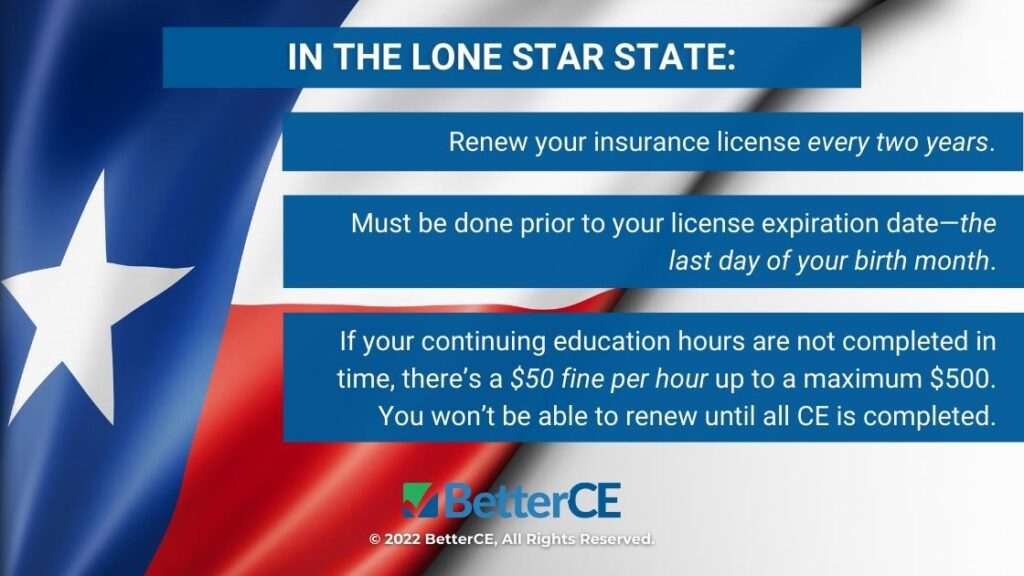
Not everyone in insurance has the same renewal timeline, which is where confusion often starts. In Texas, most insurance licenses follow a two-year renewal cycle, but the exact expiration date depends on when your license was first issued.
Common license types that require TDI license renewal include:
- Life and Health Insurance Agents
- Property and Casualty Agents
- Personal Lines Agents
- All-Lines Adjusters
- Public Insurance Adjusters
Your expiration date is specific to you. It’s not tied to the calendar year or a universal deadline. You can find it by checking your license record through the Texas licensing system.
A practical tip from experience: don’t rely solely on reminder emails. While TDI may send renewal notices, they’re not guaranteed to reach you. Spam filters, outdated email addresses, or inbox overload can easily cause you to miss them. Treat renewal tracking as part of your professional responsibility.
Most professionals can renew up to 90 days before their expiration date. Renewing early doesn’t shorten your next cycle—it simply gives you a buffer against unexpected delays.
The Real Benefits of Staying on Top of TDI License Renewal
When renewal becomes routine rather than reactive, it creates tangible benefits in your day-to-day work.
One major advantage is uninterrupted income. Commissions, renewals, and carrier relationships all depend on active licensure. Staying current ensures there are no awkward “hold” periods where payments are delayed or contracts are questioned.
Another benefit is professional credibility. Being consistently compliant signals reliability to agencies and carriers. In competitive markets, that reliability matters more than many realize.
There’s also the mental benefit. I’ve spoken with agents who describe an immediate sense of relief once renewal is complete. No more background worry. No more “Did I finish that CE course?” moments.
Finally, renewal planning encourages ongoing education. Instead of cramming CE hours at the last minute, proactive professionals spread learning across the renewal cycle. This leads to better retention, better client conversations, and more confidence when handling complex cases.
Step-by-Step Guide to TDI License Renewal in Texas
This is where things get practical. Below is a step-by-step walkthrough that reflects how the process actually works—not how it’s described in official bullet points.
Step 1: Confirm Your License Details
Start by verifying your license type, status, and expiration date. This ensures you know exactly what you’re renewing and when it’s due. Mistakes at this stage can cascade later.
Step 2: Complete Required Continuing Education
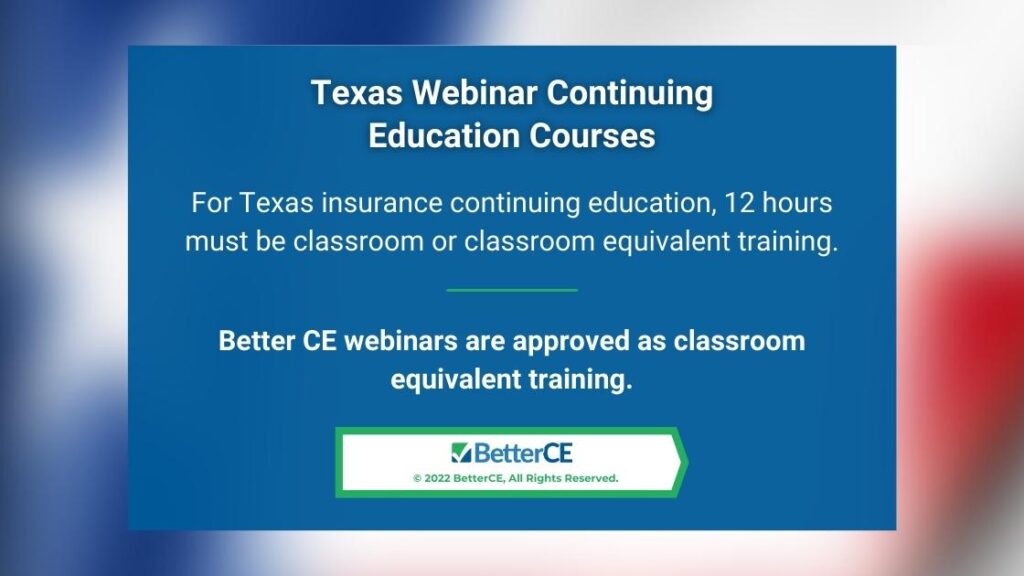
Texas requires a specific number of CE hours per renewal cycle, including ethics training. The exact requirements depend on your license type and tenure. Make sure your courses are TDI-approved and reported correctly.
Step 3: Allow Time for CE Reporting
Many providers report CE completion automatically, but reporting can take several days. Don’t assume instant updates—verify that your hours appear in the system before submitting renewal.
Step 4: Submit Your Renewal Application
Renew online through the official licensing portal. You’ll confirm personal details, attest to CE completion, and pay the renewal fee.
Step 5: Save Confirmation and Monitor Status
Always save confirmation receipts and screenshots. Check your license status after submission to confirm it shows as active.
Tools, Platforms, and Resources That Make Renewal Easier
4
Over the years, I’ve seen a clear divide between professionals who struggle with renewal and those who don’t. The difference usually comes down to tools.
Online CE platforms are the biggest time-saver. Quality providers offer:
- Self-paced courses
- Automatic reporting to TDI
- Progress tracking dashboards
Free options exist, but they’re often limited in course selection or user experience. Paid platforms typically offer better support, reminders, and bundled courses that cover all requirements in one place.
Calendar tools also matter. Setting recurring reminders 90, 60, and 30 days before expiration dramatically reduces last-minute stress.
Finally, keep a simple compliance folder—digital or physical—with CE certificates, renewal confirmations, and correspondence. If an issue ever arises, documentation becomes your best ally.
Common TDI License Renewal Mistakes (And How to Fix Them)

Mistakes during TDI license renewal are rarely about ignorance—they’re about assumptions.
One of the most common errors is waiting too long to start CE. Life happens. Courses take longer than expected. Providers delay reporting. Starting early eliminates all of these risks.
Another frequent issue is taking non-approved courses. Always verify approval status before enrolling. A course that “counts in other states” may not count in Texas.
Some professionals also forget to update personal information, leading to missed notices or processing delays. Make it a habit to review your contact details at least once per renewal cycle.
If you do make a mistake, address it immediately. TDI is far more accommodating when issues are resolved proactively rather than after enforcement actions begin.
What Happens If Your TDI License Expires?
This is the scenario everyone hopes to avoid—but it’s important to understand.
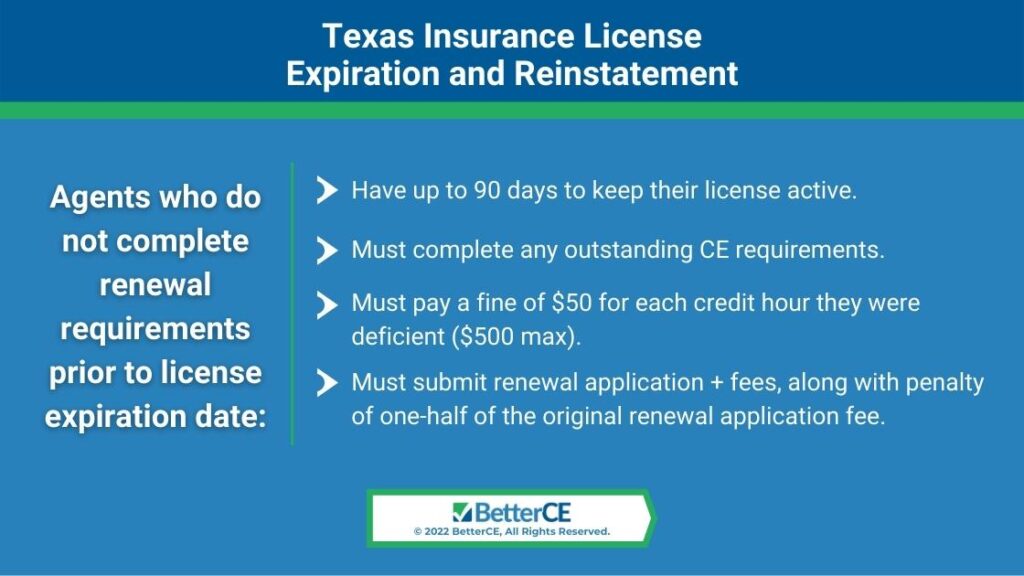
An expired license means you cannot legally transact insurance business. Depending on how long the license has been expired, you may face reinstatement fees, additional CE requirements, or even reapplication.
Short lapses can often be corrected, but longer gaps may require starting over, including exams. I’ve seen experienced professionals forced to retake exams simply because they ignored renewal notices.
The takeaway is simple: prevention is far easier than correction.
Final Thoughts on TDI License Renewal
TDI license renewal doesn’t have to be stressful, confusing, or disruptive. When approached proactively, it becomes just another routine part of running a professional insurance practice—like reconciling commissions or reviewing policy updates.
The key is preparation. Know your deadlines. Understand your CE requirements. Use the right tools. And treat renewal as a professional habit, not a last-minute emergency.
If you found this guide helpful, consider bookmarking it for your next renewal cycle—or sharing it with a colleague who’s still dreading theirs.
FAQs
How often do I need to renew my TDI license?
Most Texas insurance licenses must be renewed every two years, based on your individual expiration date.
Can I renew my license before completing CE?
No. CE requirements must be completed and reported before renewal submission.
How long does renewal processing take?
Online renewals are often processed quickly, but CE reporting delays can extend the timeline.
What happens if I renew late?
Late renewal may require additional fees or reinstatement procedures, depending on the length of lapse.
Can I work while my renewal is pending?
If your license has expired, you should not conduct insurance business until it is active again

Michael Grant is a business writer with professional experience in small-business consulting and online entrepreneurship. Over the past decade, he has helped brands improve their digital strategy, customer engagement, and revenue planning. Michael simplifies business concepts and gives readers practical insights they can use immediately.