

A few years ago, block chaining technology felt like one of those buzzwords you’d hear at tech conferences and then promptly forget. Today, it shows up in conversations about finance, supply chains, healthcare records, digital identity, voting systems, and even creator royalties. That shift didn’t happen by accident.
What changed is trust.
We live in a world where people don’t automatically trust banks, platforms, governments, or even data itself. Breaches are common. Records are altered. Middlemen skim value. Entire systems depend on “trust us” instead of verifiable proof. Block chaining technology emerged as a direct response to that frustration.
This article is for anyone who wants to truly understand block chaining technology without hype or empty promises. Whether you’re a business owner evaluating real use cases, a student trying to move beyond surface-level definitions, or a professional deciding whether this technology is worth your time, this guide is designed to give you clarity, not confusion.
By the end, you’ll understand how block chaining technology works, where it delivers real value, where it doesn’t, and how to approach it practically instead of theoretically.
What Is Block Chaining Technology? From Simple Idea to Powerful System
Block chaining technology is easiest to understand when you stop thinking of it as “advanced cryptography” and start thinking of it as a new way to keep records.
At its core, block chaining technology is a method of recording information in blocks that are linked together in chronological order and secured through cryptographic rules. Each block contains data, a timestamp, and a reference to the previous block. Once a block is added to the chain, changing it becomes extremely difficult without altering every block that comes after it.
Imagine a shared Google Sheet that thousands of people can see but no single person can secretly edit. Every change must be agreed upon, recorded permanently, and visible to everyone. That’s the mental model that finally makes block chaining technology click for most people.
What makes it different from a traditional database isn’t just the structure. It’s the absence of a central authority. Instead of trusting one organization to maintain the ledger, trust is distributed across the network.
As you move from beginner to advanced understanding, you start to see that block chaining technology isn’t about currency or speculation. It’s about coordination without centralized control, verification without blind trust, and permanence in a digital world that’s normally easy to manipulate.
How Block Chaining Technology Actually Works (Without the Jargon)
Understanding how block chaining technology works doesn’t require a computer science degree, but it does require slowing down and following the process step by step.
First, a transaction or data event is created. This could be a payment, a contract update, a shipment record, or a credential verification. That data is grouped with other transactions into a block.
Next, the block is broadcast to a network of independent computers called nodes. These nodes verify the data using agreed-upon rules. Depending on the system, this might involve cryptographic validation, consensus mechanisms, or predefined permissions.
Once verified, the block is added to the chain by linking it to the previous block using a cryptographic hash. This linking is what creates the “chain” in block chaining technology. Any attempt to alter a past block would break the links and alert the entire network.
Finally, the updated chain is shared across the network. Every node now has the same version of the truth.
The brilliance of block chaining technology is that it combines transparency, security, and decentralization into a single system. No single participant controls the data, yet everyone can trust it.
Why Block Chaining Technology Matters Right Now
Timing matters with technology. Block chaining technology didn’t suddenly become useful; the world finally became ready for it.
Organizations are drowning in reconciliation costs, compliance headaches, and trust disputes. Consumers are tired of opaque systems and data misuse. Regulators are demanding better audit trails. Global supply chains need transparency across borders and organizations that don’t trust each other.
Block chaining technology solves a very specific modern problem: how do you coordinate multiple parties who don’t fully trust one another without handing control to a single intermediary?
That’s why adoption has quietly accelerated behind the scenes, even while public perception focuses on price charts and headlines. The real story is enterprise adoption, infrastructure development, and practical use cases that reduce friction and increase accountability.
Benefits of Block Chaining Technology in the Real World
The benefits of block chaining technology only make sense when you compare life before and after its implementation.
Before block chaining technology, organizations relied on centralized databases, manual audits, intermediaries, and reconciliation processes. Disputes were resolved slowly. Errors were hard to trace. Fraud often went undetected until damage was done.
After implementation, records become tamper-resistant. Verification is built into the system. Audits become faster and cheaper. Trust shifts from institutions to math and consensus.
Industries that benefit most include finance, logistics, healthcare, digital identity, intellectual property, and governance. In each case, the value isn’t speed alone. It’s certainty.
When a supply chain uses block chaining technology, every handoff is recorded. When healthcare records are secured this way, patients gain control while providers gain confidence in data integrity. When contracts are automated, enforcement becomes code-driven instead of dispute-driven.
The biggest benefit is psychological: fewer arguments about what happened and more focus on what to do next.
Real-World Use Cases That Actually Work
Block chaining technology has moved beyond theory. In practice, its most successful use cases share a common trait: multiple stakeholders with conflicting incentives.
Supply chain tracking uses block chaining technology to record origin, movement, and handling of goods. This reduces counterfeiting, improves recalls, and increases consumer trust.
Financial settlement systems use it to reduce clearing times from days to minutes. This frees up capital and reduces risk exposure.
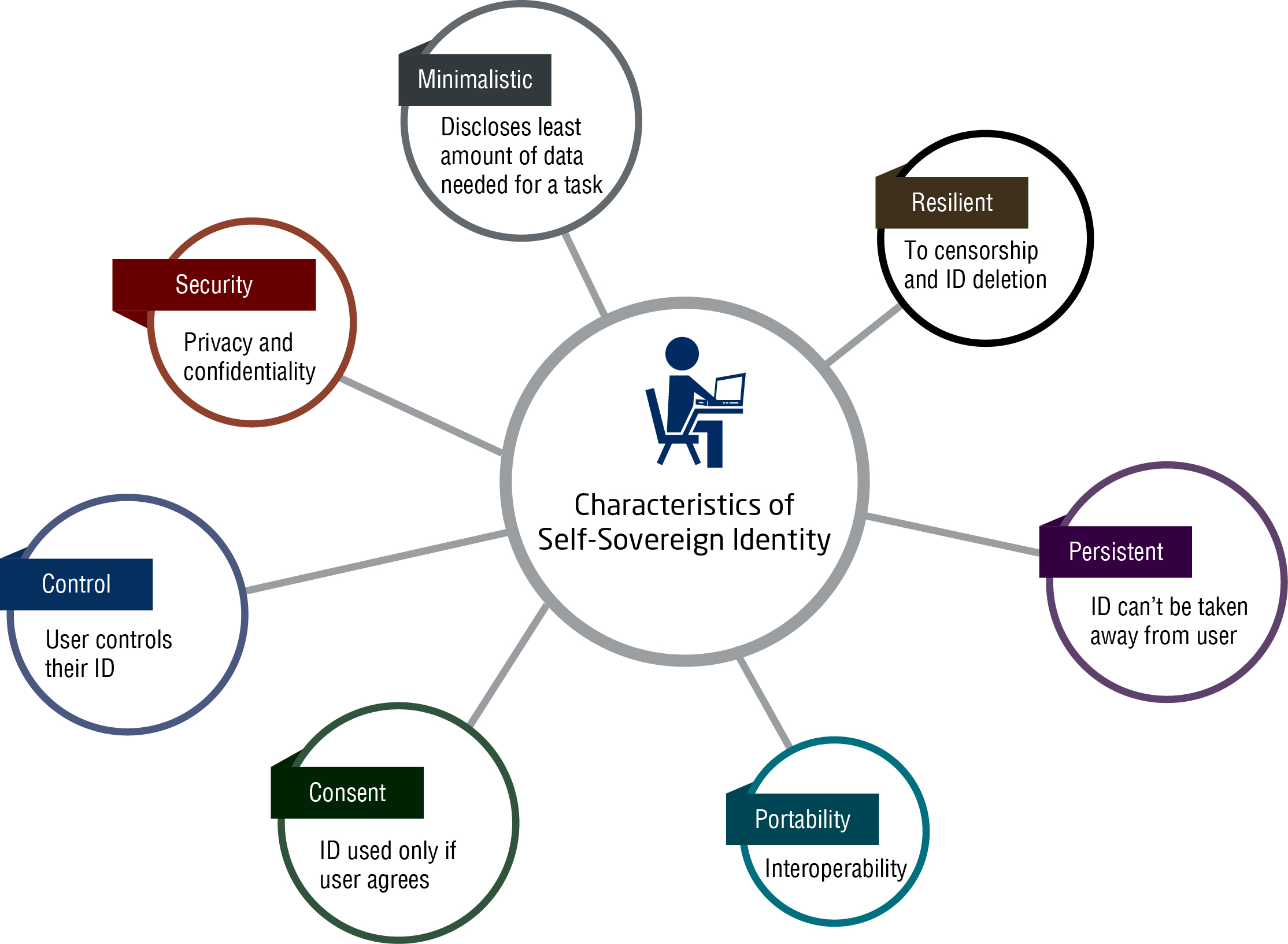
Digital identity systems allow individuals to control credentials without relying on a single provider. This is especially valuable in regions with limited infrastructure.
Smart contracts automate agreements when conditions are met. They’re not “smart” in a human sense, but they are reliable. Once deployed, they execute exactly as written.
The common thread is trust minimization. Block chaining technology doesn’t assume good behavior. It enforces it.

Step-by-Step: How to Approach Block Chaining Technology Practically
The biggest mistake people make is trying to adopt block chaining technology before understanding the problem they’re solving.
Step one is identifying whether trust, transparency, or coordination is actually your bottleneck. If a traditional database solves your problem, use one.
Step two is choosing the right type of blockchain model. Public, private, and consortium chains each have trade-offs. Public systems maximize transparency. Private systems maximize control. Consortium models balance governance among known parties.
Step three is defining governance. Who can write data? Who can read it? How are disputes resolved? Technology without governance fails quickly.
Step four is integration. Block chaining technology rarely replaces existing systems. It augments them. APIs, middleware, and data standards matter more than consensus algorithms in real deployments.
Step five is testing with limited scope. Pilot projects expose assumptions early and prevent expensive mistakes.
The goal isn’t innovation for its own sake. It’s operational improvement that survives real-world conditions.
Tools and Platforms: What Actually Works in Practice
Not all tools built around block chaining technology are equal. Some are excellent for experimentation. Others are production-ready.
Enterprise-focused platforms emphasize permissioned access, compliance, and integration. They work best for regulated industries and multi-organization workflows.
Developer-focused platforms prioritize flexibility and ecosystem support. They’re ideal for startups and innovation teams building new products.
Low-code tools exist, but they often oversimplify critical security and governance decisions. They’re useful for learning, not always for deployment.
In practice, experienced teams evaluate tools based on support, documentation, ecosystem maturity, and long-term viability, not marketing promises.
The most effective setups are boring by design. They prioritize reliability over novelty.
Common Mistakes with Block Chaining Technology (and How to Avoid Them)
One common mistake is treating block chaining technology as a solution looking for a problem. This leads to unnecessary complexity and poor ROI.
Another mistake is underestimating governance. Decentralization doesn’t eliminate decision-making; it makes it more explicit.
Security assumptions are another pitfall. While the chain itself may be secure, surrounding systems often aren’t. Private keys, user interfaces, and integrations are frequent attack points.
Scalability is also misunderstood. Not every process belongs on-chain. Experienced practitioners know what to store directly and what to reference externally.
Avoiding these mistakes requires humility and iteration. Block chaining technology rewards careful design, not shortcuts.
The Future of Block Chaining Technology: What’s Real and What’s Noise
The future of block chaining technology isn’t about replacing everything. It’s about becoming invisible infrastructure.
As standards mature and tooling improves, users won’t know they’re interacting with a blockchain. They’ll just experience faster settlements, clearer records, and fewer disputes.
Interoperability will matter more than individual platforms. Regulation will bring clarity, not extinction. The biggest wins will happen quietly, inside systems that already matter.
The hype cycles will continue. The utility will remain.
Conclusion: Why Block Chaining Technology Is a Long-Term Shift, Not a Trend
Block chaining technology isn’t magic, and it isn’t a silver bullet. It’s a structural innovation in how humans coordinate trust at scale.
When used thoughtfully, it reduces friction, increases accountability, and reshapes how organizations interact. When misused, it adds cost without value.
The difference comes down to understanding. Not just how the technology works, but why it exists in the first place.
If you approach block chaining technology with curiosity, skepticism, and practical intent, it becomes a powerful tool instead of an expensive experiment.
FAQs
Is block chaining technology the same as blockchain?
Block chaining technology refers to the underlying mechanism, while blockchain often refers to specific implementations or platforms.
Do you need cryptocurrency to use block chaining technology?
No. Many systems use block chaining technology without any public tokens or currencies.
Is block chaining technology secure?
The core design is secure, but overall security depends on implementation, governance, and surrounding systems.
Can small businesses benefit from block chaining technology?
Yes, particularly in areas like supply chain transparency and record verification, but only when the problem justifies it.
Is block chaining technology environmentally harmful?
Energy use depends on the consensus model. Many modern systems are highly efficient.

Adrian Cole is a technology researcher and AI content specialist with more than seven years of experience studying automation, machine learning models, and digital innovation. He has worked with multiple tech startups as a consultant, helping them adopt smarter tools and build data-driven systems. Adrian writes simple, clear, and practical explanations of complex tech topics so readers can easily understand the future of AI.