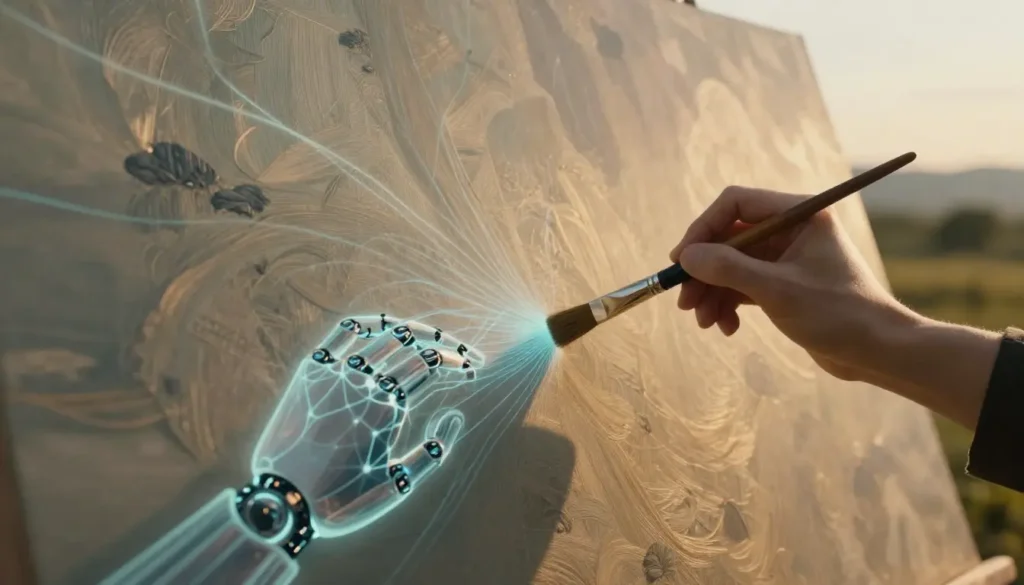
Have you ever stared at a piece of digital art and felt that strange mix of awe and confusion—wondering whether a human hand or a machine mind created it? That moment of curiosity is exactly where the art of artificial intelligence begins. We’re living in a time when algorithms can paint portraits, compose music, design fashion, and even co-create films alongside humans. For some, that’s thrilling. For others, it’s unsettling. But for anyone curious about creativity, culture, and the future of expression, it’s impossible to ignore.
The art of artificial intelligence matters because it challenges one of our most cherished beliefs: that creativity is uniquely human. Instead of replacing artists, AI is reshaping how ideas are generated, refined, and shared. It’s expanding creative possibilities, lowering technical barriers, and opening doors for people who never thought of themselves as “artists” before. At the same time, it raises serious questions about authorship, originality, ethics, and value.
In this guide, you’ll learn what the art of artificial intelligence really is, how it works in simple terms, where it’s already being used, and how you can explore it yourself—without needing a computer science degree. We’ll talk benefits, tools, step-by-step processes, common mistakes, and practical recommendations grounded in real-world creative experience. Whether you’re a writer, designer, marketer, educator, or just creatively curious, this article will help you understand and confidently navigate the evolving world of AI-powered art.
Understanding the Art of Artificial Intelligence (What It Really Means)
The art of artificial intelligence isn’t about machines suddenly becoming emotional geniuses with paintbrushes. At its core, it’s about systems trained to recognize patterns in massive datasets—images, sounds, words—and then generate new outputs based on those patterns. Think of it less like a robot “imagining” something from scratch and more like a hyper-fast apprentice who has studied millions of examples and learned how styles, structures, and elements fit together.
When an AI creates art, it doesn’t feel inspiration the way humans do. It doesn’t have memories, intentions, or lived experience. What it has is probability. Based on what it has learned, it predicts what comes next: which color belongs beside another, which brushstroke completes a face, which chord resolves a melody. The artistry emerges not from emotion but from statistical relationships—guided, refined, and directed by humans.
A helpful analogy is photography when it first appeared. Painters feared it would kill traditional art. Instead, it transformed it. Impressionism, abstraction, and modern art all flourished partly because photography freed artists from strict realism. Similarly, the art of artificial intelligence frees creators from technical constraints, allowing them to focus more on ideas, storytelling, and experimentation.
Importantly, AI art is rarely created in isolation. Prompts, parameters, curation, editing, and contextual decisions come from humans. The final piece is often a collaboration, whether acknowledged or not. Understanding this shared authorship is key to appreciating AI art without either overhyping or dismissing it.
Why the Art of Artificial Intelligence Is Gaining Momentum Now
The sudden explosion of interest in the art of artificial intelligence didn’t happen by accident. It’s the result of several forces converging at the same time. Computing power became cheaper and more accessible. Massive image and text datasets became available. Machine learning techniques improved rapidly. And perhaps most importantly, user-friendly tools emerged that hid the technical complexity behind simple interfaces.
Another major factor is cultural readiness. We’re already used to algorithms shaping what we see—recommendation systems on streaming platforms, social media feeds, and search engines. Moving from AI curating content to AI creating content feels like a natural next step. Add to that the rise of digital-first art markets, NFTs, virtual worlds, and online portfolios, and you have fertile ground for experimentation.
For creators, timing also matters. Burnout is real. Many artists feel pressure to produce constantly across platforms. AI tools can act like creative accelerators, helping generate drafts, variations, or starting points faster than ever. That doesn’t remove the need for taste or vision; it amplifies it. Those who understand how to guide AI effectively often stand out more, not less.
Finally, global events pushed more creativity online. Remote work, digital exhibitions, and virtual collaboration normalized screen-based creation. In that environment, the art of artificial intelligence didn’t feel alien—it felt useful.
Practical Benefits and Real-World Use Cases
The art of artificial intelligence isn’t just a gallery novelty. It’s already embedded in industries you interact with daily. One of its biggest benefits is accessibility. You no longer need years of technical training to visualize complex ideas. A concept artist can prototype worlds in minutes. A marketer can generate campaign visuals without a full design team. A teacher can create custom illustrations tailored to lesson content.
In branding and advertising, AI-generated art helps teams explore creative directions quickly. Instead of choosing between three concepts, they can explore thirty, then refine the best. In publishing, authors use AI art for book covers, mood boards, or scene visualization. In fashion, designers test patterns and silhouettes before physical production, saving time and materials.
Independent artists benefit too. Someone with strong ideas but limited drawing skills can still express a vision. This doesn’t diminish traditional skill—it complements it. Many professional illustrators now use AI as part of their workflow, combining hand-drawn elements with generated textures or backgrounds.
There are also therapeutic and educational use cases. AI art tools are used in creative therapy to help people externalize emotions visually. In classrooms, they help students understand styles, history, and visual storytelling interactively. The common thread across all these examples is empowerment. The art of artificial intelligence expands who gets to participate in creative culture.
How the Art of Artificial Intelligence Works: A Step-by-Step Guide
Getting started with the art of artificial intelligence can feel intimidating, but the actual process is surprisingly approachable. The first step is choosing a creative goal. Are you trying to create a standalone artwork, concept art for a project, social media visuals, or inspiration for a larger piece? Clarity here makes everything else easier.
Next comes prompt design. A prompt is simply a description of what you want, but the way you phrase it matters. Instead of saying “a painting of a city,” you might say “a futuristic city at sunset, soft lighting, painterly style, wide-angle perspective.” You’re not coding—you’re communicating creatively. Many artists treat prompt writing like poetry or art direction.
Once the AI generates outputs, the real artistry begins. You review variations, discard what doesn’t resonate, and refine what does. This might involve adjusting prompts, changing styles, or combining elements from multiple outputs. Some creators then take the result into traditional software for manual editing, adding their personal touch.
Iteration is key. Rarely is the first result perfect. The art of artificial intelligence thrives on experimentation. Over time, you develop an intuition for how small changes in language affect outcomes. That intuition is a creative skill, just like brush control or composition.
Best practices include keeping a prompt journal, studying styles you admire, and always asking why a result works or doesn’t. The more intentional you are, the more the technology feels like a partner rather than a gimmick.
Tools, Comparisons, and Expert Recommendations
When people talk about the art of artificial intelligence, they’re often really talking about tools. Choosing the right one depends on your goals, budget, and comfort level. Some platforms prioritize realism, others abstraction, and others speed or customization.
Tools backed by major organizations like OpenAI have focused on making AI creativity accessible and ethically guided. Others emphasize community-driven experimentation or open-source flexibility. Paid tools often offer higher resolution outputs, faster generation, and commercial usage rights, while free options are excellent for learning and exploration.
The key difference isn’t just price—it’s control. Some tools give you granular parameters like style weight, randomness, or seed control. Others keep things simple. Beginners often benefit from simplicity; professionals often crave control. There’s no universal “best” option, only the best fit for your workflow.
Experts recommend starting with one tool and learning it deeply rather than hopping constantly. Mastery comes from understanding how a system responds to your creative direction. Over time, many artists build hybrid workflows, using one platform for ideation and another for final production.
Common Mistakes and How to Avoid Them
One of the most common mistakes in the art of artificial intelligence is treating it like a magic button. New users expect instant masterpieces and feel disappointed when results feel generic. The fix is mindset. AI is not a replacement for taste, vision, or judgment. It’s a multiplier of whatever you bring to it.
Another frequent issue is over-reliance. If you publish raw outputs without curation or context, your work can blend into the noise. The most compelling AI art often involves post-processing, storytelling, or integration into a larger concept. Your human perspective is the differentiator.
Ethical blind spots are another pitfall. Using AI art without understanding data sources, licensing, or attribution can cause problems, especially in commercial contexts. Responsible creators stay informed, respect guidelines, and are transparent about their process.
Finally, many people stop experimenting too early. They generate a few images, feel underwhelmed, and move on. Like any art form, fluency takes time. The more you explore, the more expressive and personal your results become.


The Future of the Art of Artificial Intelligence
Looking ahead, the art of artificial intelligence will likely feel less like a novelty and more like infrastructure. It will blend seamlessly into creative tools, just as spellcheck blended into writing software. The focus will shift from “Is this AI-made?” to “Is this meaningful?”
We’ll see more emphasis on co-creation, where AI adapts to an individual artist’s style over time. We’ll also see stronger ethical frameworks, clearer attribution systems, and new genres that only exist because of machine collaboration. Traditional skills won’t disappear—they’ll evolve, often becoming more valuable when combined with AI fluency.
For creators, the opportunity is clear. Those who engage thoughtfully with AI, understand its strengths and limits, and anchor their work in genuine human perspective will shape the next era of art. The technology will change. The need for vision, curiosity, and integrity will not.
Conclusion
The art of artificial intelligence is not a threat to creativity—it’s a mirror reflecting how we choose to create. Used thoughtfully, it expands imagination, lowers barriers, and invites more voices into the creative conversation. Used carelessly, it becomes noise. The difference lies in intention.
If you take one thing away from this guide, let it be this: AI doesn’t replace artists; it rewards them. It rewards curiosity, clarity, and creative courage. Explore it. Question it. Shape it. And most importantly, use it to say something only you can say. If you’re curious, start small, experiment often, and share your journey. Creativity has always evolved. This is simply its next chapter.
FAQs
What is the art of artificial intelligence in simple terms?
It’s creative work produced with the help of AI systems trained on large datasets, guided and refined by human input.
Do I need technical skills to create AI art?
No. Most modern tools are designed for non-technical users and rely on natural language prompts.
Is AI art considered real art?
Many artists and institutions consider it art when there is clear human intention, curation, and context.
Can I sell AI-generated art?
Yes, depending on the tool’s licensing terms and local regulations. Always check usage rights.
Will AI replace human artists?
It’s more likely to change how artists work rather than replace them entirely.

Adrian Cole is a technology researcher and AI content specialist with more than seven years of experience studying automation, machine learning models, and digital innovation. He has worked with multiple tech startups as a consultant, helping them adopt smarter tools and build data-driven systems. Adrian writes simple, clear, and practical explanations of complex tech topics so readers can easily understand the future of AI.