
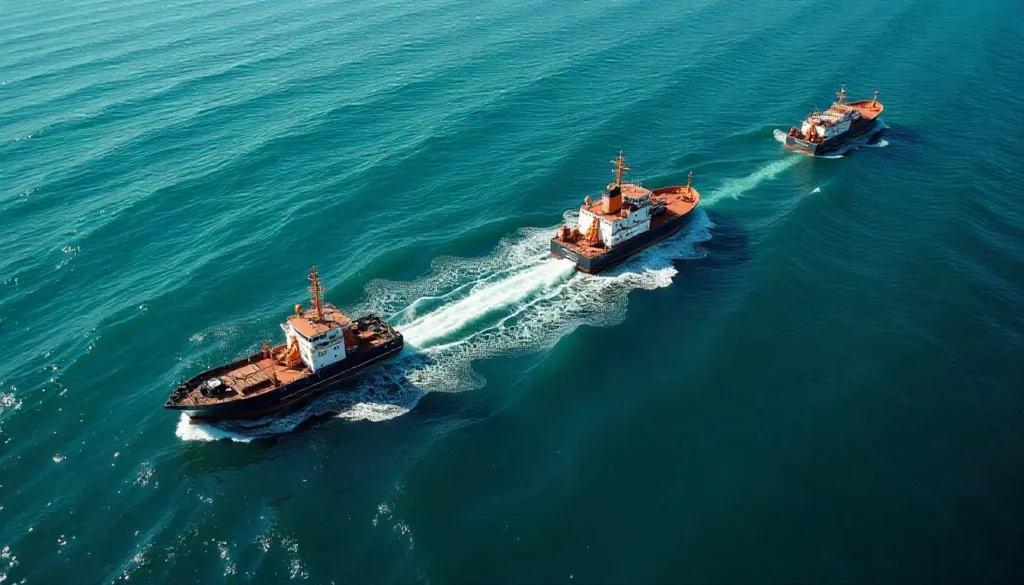
If you’ve ever stood on a beach expecting soft sand and rolling waves, only to find bottle caps, torn fishing nets, and plastic fragments tangled in seaweed, you already understand why ocean cleanup technology matters. This isn’t an abstract environmental issue anymore. It’s personal. It’s visible. And it’s accelerating faster than most people realize.
Ocean cleanup technology refers to the growing ecosystem of tools, machines, systems, and scientific approaches designed to remove waste—especially plastic—from oceans, rivers, coastlines, and marine ecosystems. Unlike traditional beach cleanups that rely on volunteers and trash bags, these technologies work at scale. They intercept waste before it reaches the ocean, extract debris already floating offshore, and even target microplastics that are invisible to the naked eye.
What makes this topic urgent is the math behind it. Millions of tons of plastic enter the ocean every year, and plastic doesn’t “go away.” It breaks down into smaller pieces, infiltrates food chains, harms marine life, and eventually comes back to us through seafood, water, and air. Ocean cleanup technology is not about perfection—it’s about damage control at planetary scale.
In this guide, I’ll walk you through how ocean cleanup technology actually works, what’s proven effective, where hype ends and reality begins, and how these systems are being used today by scientists, nonprofits, governments, and startups. You’ll also see practical use cases, common mistakes, and honest comparisons—no greenwashing, no buzzwords.
What Is Ocean Cleanup Technology? A Beginner-Friendly Breakdown
At its core, ocean cleanup technology is the engineering response to a human-made problem: marine pollution. Think of it as the environmental equivalent of waste management infrastructure—but for open water instead of cities.
A helpful analogy is this: imagine your house has a leaking pipe. You don’t just mop the floor forever. You fix the leak and clean the mess. Ocean cleanup technology follows the same logic:
- Stop new waste from entering the ocean
- Remove existing waste already there
The technologies fall into several broad categories:
1. Collection systems
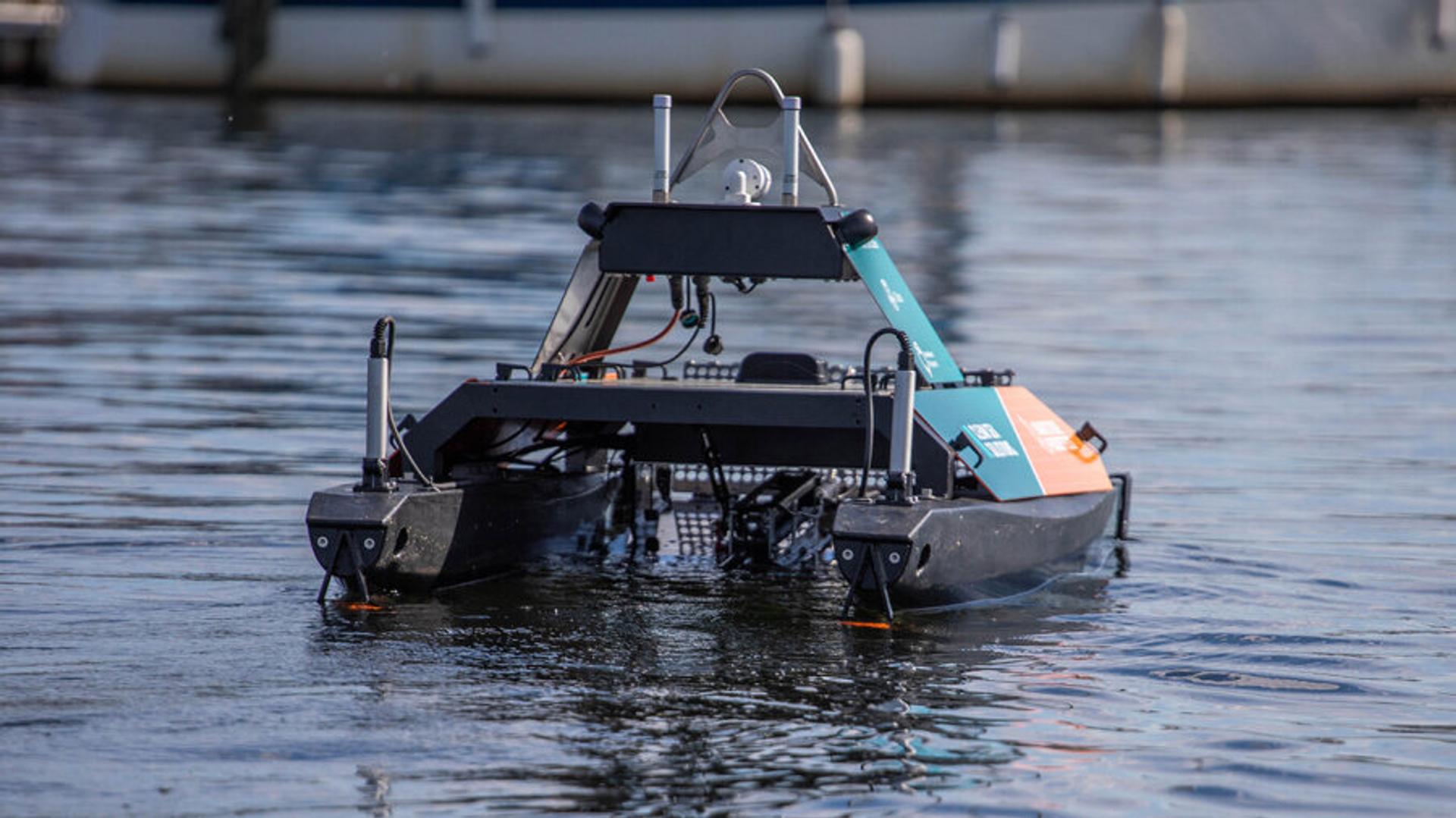
These physically gather plastic and debris from water surfaces using floating barriers, conveyor belts, nets, or autonomous vessels.
2. Interception systems
Installed in rivers, harbors, and canals, these stop trash before it ever reaches the ocean.
3. Detection and monitoring tools
Satellites, drones, and AI models identify pollution hotspots and track debris movement.
4. Processing and recycling solutions
Collected waste is sorted, recycled, or repurposed—because removing plastic without dealing with it responsibly just moves the problem.
What’s important to understand is that ocean cleanup technology does not rely on one magic machine. The ocean is dynamic—waves, currents, storms, wildlife, shipping lanes. Effective cleanup requires modular, adaptable systems designed for specific environments.
This is why the most successful solutions combine engineering, oceanography, data science, and environmental ethics rather than brute force.
The Scale of the Problem Ocean Cleanup Technology Is Tackling
Before judging whether ocean cleanup technology “works,” we need to understand the enemy it’s up against.
Plastic pollution in oceans exists at multiple scales:
- Macroplastics: bottles, bags, fishing nets
- Mesoplastics: broken fragments
- Microplastics: particles smaller than 5mm
- Nanoplastics: invisible, biologically active particles
Ocean currents concentrate much of this debris into massive zones like gyres, the most famous being the Great Pacific Garbage Patch. Contrary to popular belief, this isn’t a floating island you can walk on—it’s more like a plastic soup spread across thousands of kilometers.
Ocean cleanup technology has to deal with:
- Constant movement of debris
- Fragile marine ecosystems
- Weather and corrosion
- Legal and maritime regulations
- Economic sustainability
This complexity explains why progress has been slow—and why recent breakthroughs are genuinely significant.
Ocean Cleanup Technology in Action: Real-World Use Cases and Benefits

Ocean cleanup technology shines brightest when you look at how it’s actually used in the field rather than in concept videos.
River Interception: Stopping Pollution at the Source
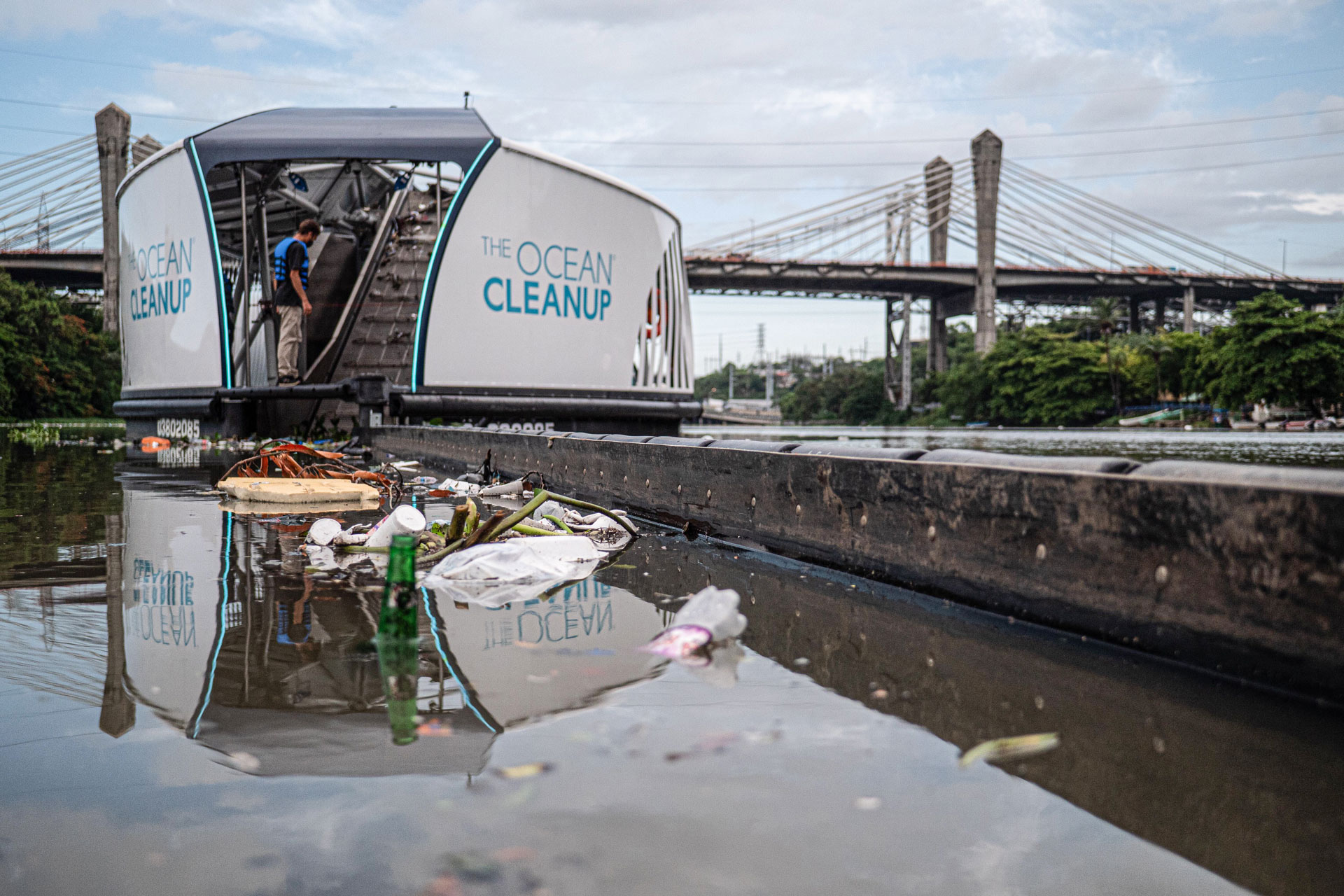
Rivers are responsible for delivering the majority of ocean plastic. Installing interception systems in polluted rivers is one of the most cost-effective cleanup strategies available today. Floating barriers guide trash toward collection points, where it’s removed without blocking boats or wildlife.
The benefit here is exponential impact. Removing one ton of plastic from a river can prevent that same ton from fragmenting and spreading across the ocean for decades.
Offshore Cleanup Systems
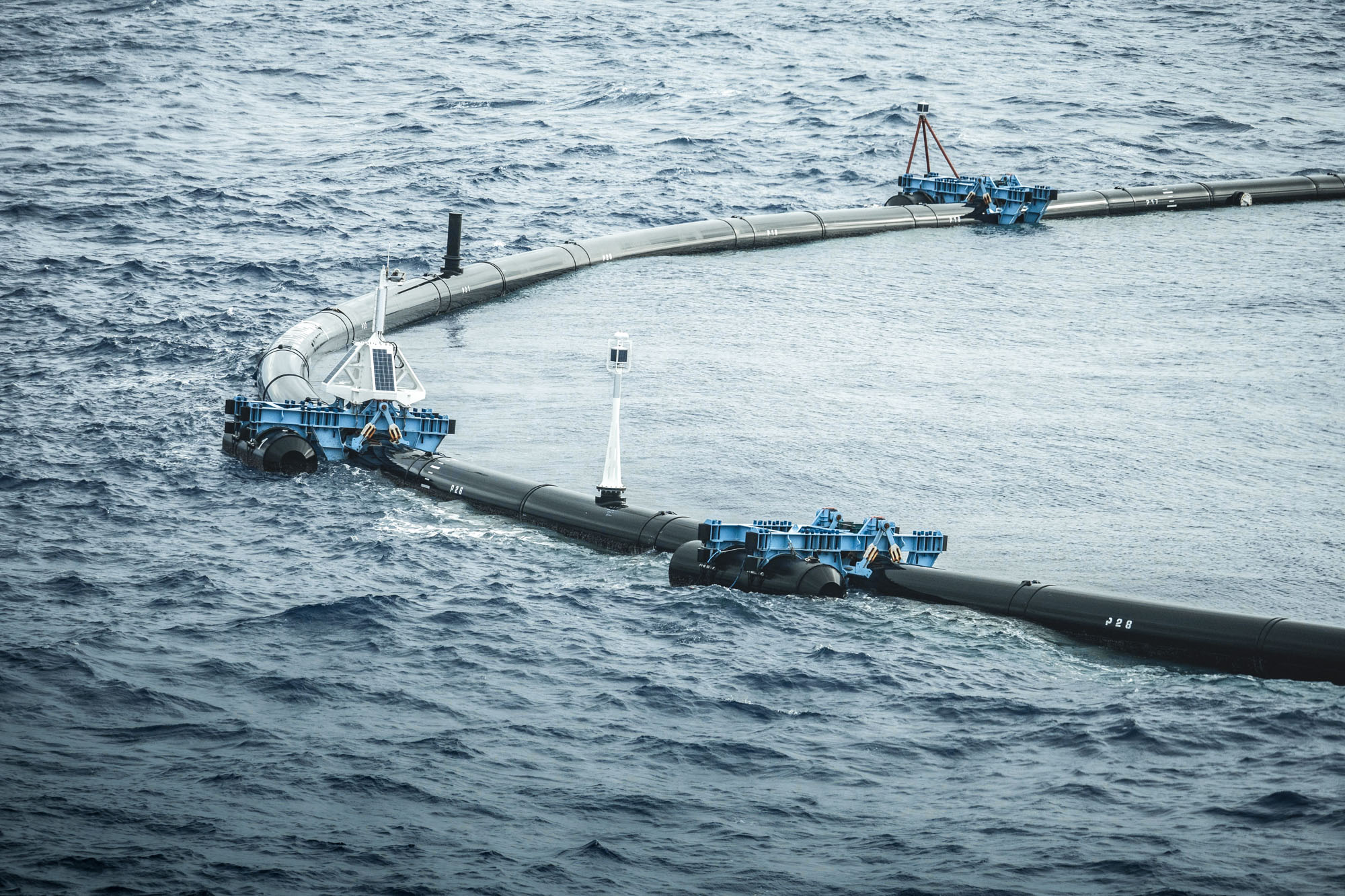
In open oceans, large passive systems use natural currents to concentrate debris, much like wind gathers leaves into corners of a yard. These systems are designed to avoid harming marine life while collecting plastics continuously over months.
This approach has been pioneered by organizations like The Ocean Cleanup, founded by Boyan Slat. Their work demonstrates that offshore cleanup is technically possible—though not cheap or simple.
Ghost Net Removal
Abandoned fishing gear, often called “ghost nets,” is one of the deadliest forms of ocean plastic. Specialized cleanup teams and robotic tools are now being used to locate and remove these nets without damaging coral reefs.
Monitoring and Data-Driven Cleanup
Satellites and AI models help predict where plastic accumulates, allowing cleanup efforts to focus on high-impact zones rather than random deployment. This dramatically improves efficiency and reduces costs.
The overarching benefit of ocean cleanup technology isn’t just cleaner water—it’s ecosystem protection, economic resilience for fisheries, and reduced health risks for humans.
How Ocean Cleanup Technology Works: A Step-by-Step View
Understanding the workflow helps separate effective solutions from well-meaning but inefficient ones.
Step 1: Pollution Mapping and Assessment
Before deploying any technology, teams analyze:
- Ocean currents
- River flow data
- Waste composition
- Wildlife activity
- Shipping routes
This step often uses satellite imagery, drone surveys, and historical pollution data.
Step 2: System Selection and Customization
No single system fits all environments. Rivers need interception devices that handle floods and debris surges. Offshore systems must survive storms and long deployments.
Customization includes:
- Barrier length and shape
- Anchoring or drifting design
- Collection frequency
- Wildlife safety features
Step 3: Deployment and Monitoring
Once deployed, systems are continuously monitored. Sensors track load capacity, movement, and environmental impact. Adjustments are made in real time to avoid damage or inefficiency.
Step 4: Waste Retrieval and Sorting
Collected waste is brought ashore, where it’s sorted into recyclable plastics, non-recyclables, and hazardous materials. This step is critical—cleanup without responsible disposal creates secondary problems.
Step 5: Recycling, Reporting, and Optimization
High-quality cleanup programs document:
- Amount of waste removed
- Types of plastics collected
- Costs per kilogram
- Environmental impact metrics
This data feeds back into system design, making future deployments smarter and cheaper.
Tools, Technologies, and Organizations Driving Ocean Cleanup Forward
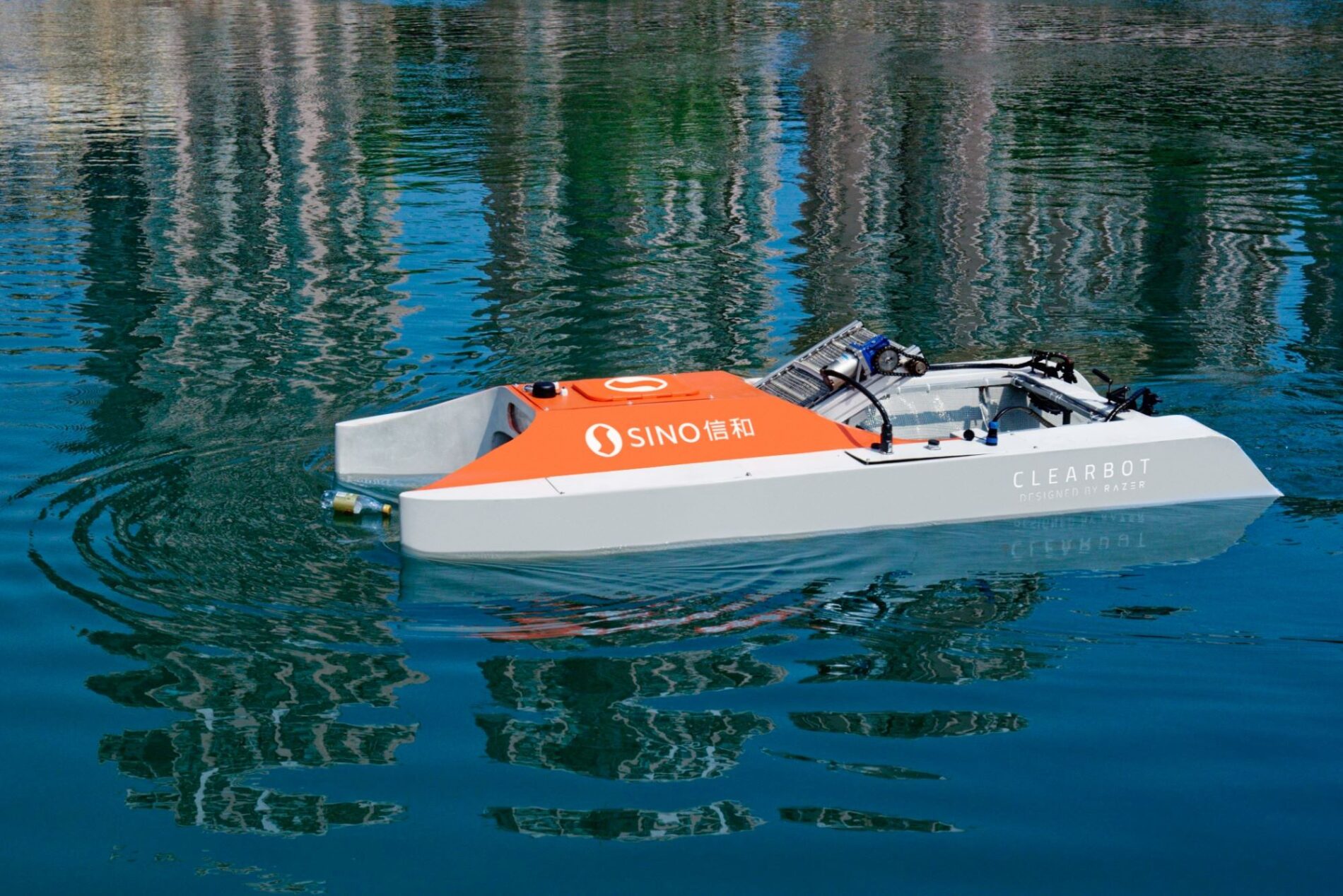
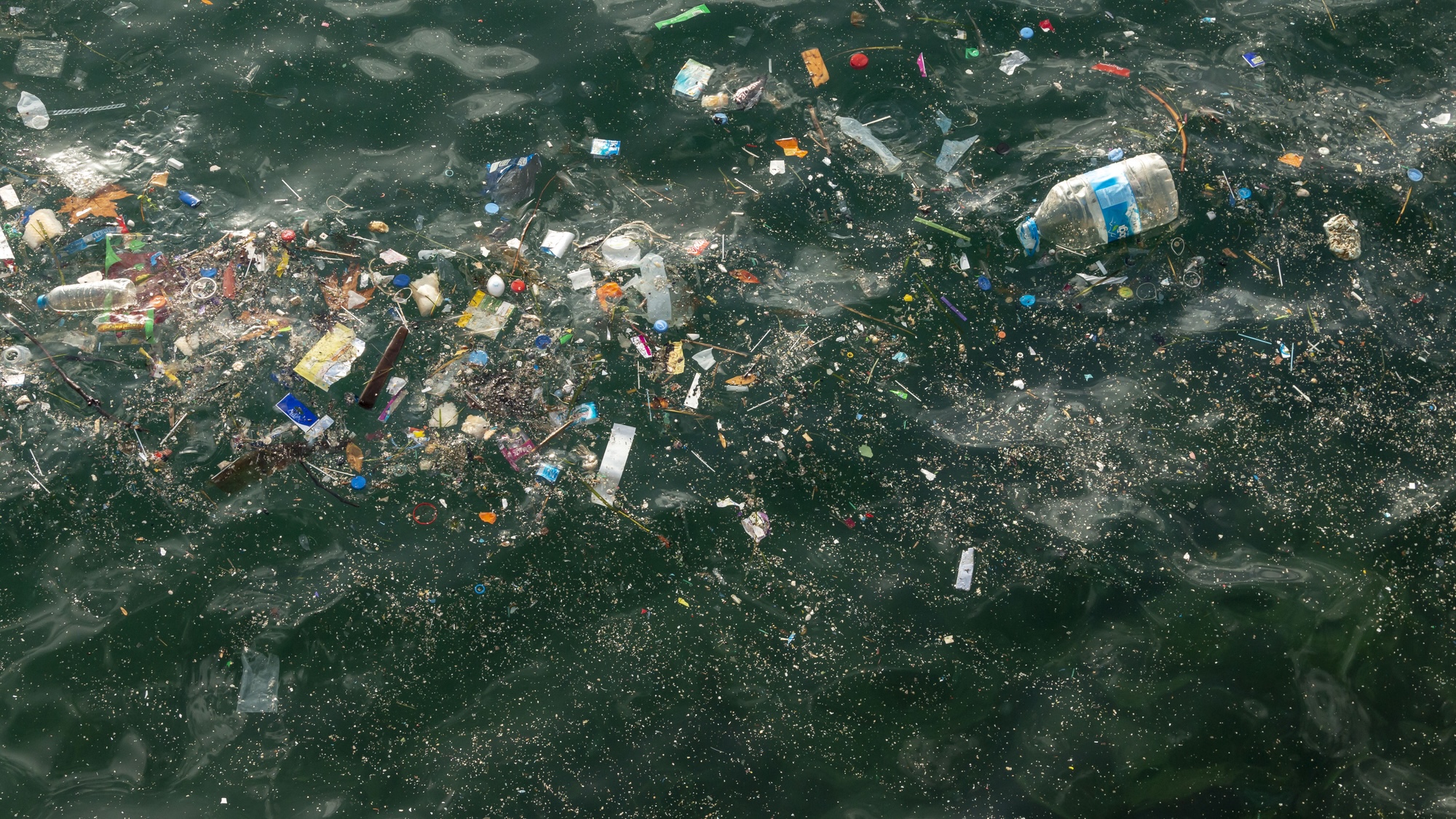
Ocean cleanup technology isn’t driven by one hero solution—it’s a toolbox.
Nonprofit and Research-Led Systems
Organizations like NOAA and initiatives backed by the United Nations Environment Programme focus on research, data, and international coordination.
Pros
- Science-backed
- Transparent reporting
- Ecosystem-focused
Cons
- Slower deployment
- Dependent on funding
Private and Startup Solutions
Startups build autonomous drones, AI sorting systems, and modular river interceptors.
Pros
- Fast innovation
- Scalable designs
- Cost optimization
Cons
- Variable transparency
- Risk of overpromising
Free vs Paid Cleanup Technologies
- Free/open-source tools: mapping data, pollution models
- Paid systems: physical cleanup hardware, long-term maintenance contracts
The best results usually come from partnerships combining public oversight with private engineering efficiency.
Common Mistakes in Ocean Cleanup Technology—and How to Avoid Them
One of the biggest mistakes is believing cleanup alone can “solve” ocean pollution. It can’t. Cleanup is mitigation, not prevention.
Other frequent errors include:
- Deploying systems without ecological impact studies
- Ignoring river-based solutions
- Overfocusing on microplastics while macroplastics continue flowing
- Failing to plan waste processing after collection
The fix is integrated thinking. Cleanup must work alongside waste reduction policies, better recycling infrastructure, and consumer behavior change.
The Future of Ocean Cleanup Technology: What’s Actually Promising
The most promising developments aren’t flashy—they’re practical:
- AI-guided deployment decisions
- Cheaper, modular interception systems
- Biodegradable collection materials
- Better global data sharing
As costs drop and experience grows, ocean cleanup technology is shifting from experimental to operational.
Conclusion: Why Ocean Cleanup Technology Deserves Real Support
Ocean cleanup technology won’t magically restore oceans overnight—but it is one of the few tools we have that produces immediate, measurable impact. When paired with prevention, policy, and education, it becomes a powerful force for recovery.
If you care about oceans, this isn’t a spectator issue. Support credible initiatives, question exaggerated claims, and understand that progress happens through persistence, not perfection.
The ocean didn’t get polluted in a decade—and it won’t be cleaned in one either. But for the first time, we’re not just talking about the problem. We’re engineering solutions.
FAQs
Is ocean cleanup technology safe for marine life?
Modern systems are designed with wildlife safety as a priority, using slow-moving barriers and escape routes.
Can ocean cleanup technology remove microplastics?
Some experimental systems target microplastics, but prevention remains the best solution.
Is river cleanup more effective than ocean cleanup?
In many cases, yes. Stopping plastic upstream prevents long-term ocean contamination.
How expensive is ocean cleanup technology?
Costs vary widely, from low-cost river barriers to multi-million-dollar offshore systems.
Does cleanup technology replace recycling?
No. Cleanup complements recycling; it doesn’t replace waste management.

Adrian Cole is a technology researcher and AI content specialist with more than seven years of experience studying automation, machine learning models, and digital innovation. He has worked with multiple tech startups as a consultant, helping them adopt smarter tools and build data-driven systems. Adrian writes simple, clear, and practical explanations of complex tech topics so readers can easily understand the future of AI.