

It was around 10 a.m. on a Monday when the lights flickered — then vanished entirely. Coffee forgotten on the stove, people in the neighborhood looked around, puzzled. For many in San Francisco that morning, what was a normal day quickly turned into an unexpected pause. That’s the story of the recent power outage affecting thousands of households under Pacific Gas and Electric Company (PG&E). The San Francisco Standard+1
If you’ve lived through or ever wondered what happens when the electricity shuts off — and how to stay calm, safe, and prepared — this post is for you. I’ll walk you through what a PG&E power outage looks like, why it happens, how to handle it, and most importantly — how to bounce back without too much stress.
What Happened — And Why It Matters
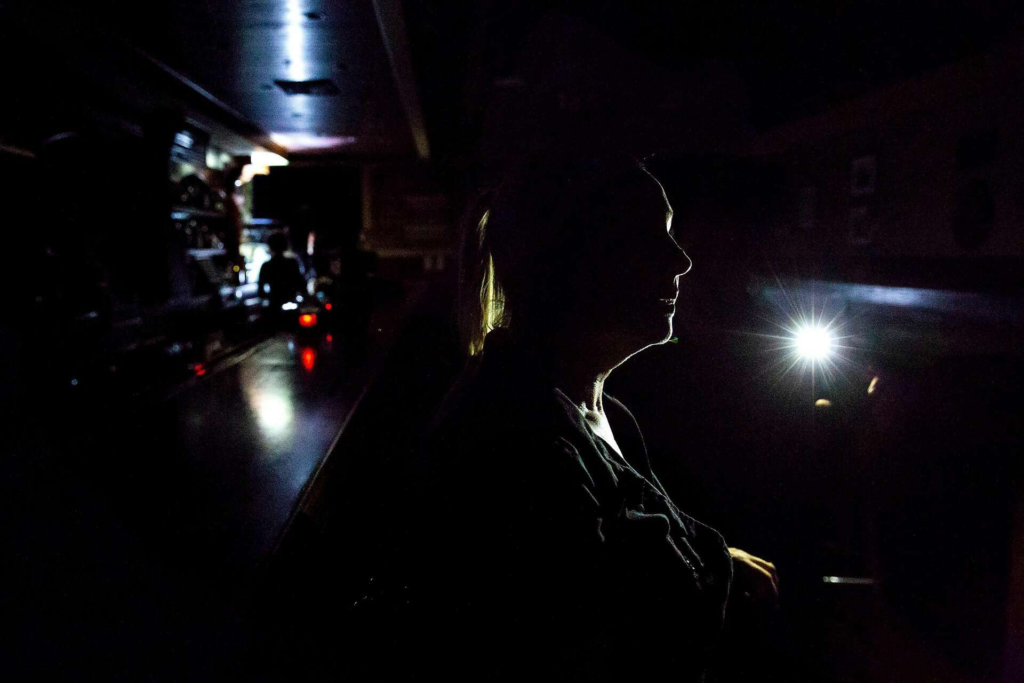
On December 8, 2025, more than 22,500 PG&E customers in San Francisco lost power after an equipment failure at the Hunters Point substation. The San Francisco Standard The outage began around 9:54 a.m. and service was restored at 11:48 a.m. That’s roughly two hours of blackout — long enough to disrupt commutes, online work, kids’ virtual classes, refrigerators, cooking, and more.
Then, later that same day, another outage struck — this time affecting over 4,000 more customers. While in many cases the blackouts lasted only a couple of hours, these events highlight a larger reality: even modern cities with big utilities can have sudden, unpredictable outages.
ALSO READ: Technical Challenges and Ethical Issues in AI Music Generation
Why Outages Happen
Power outages under PG&E generally occur for one of two reasons:
- Equipment failures (like a substation malfunction) — such as the recent outage.
- Safety-driven cuts or rotating outages — sometimes utilities disable power deliberately to prevent larger hazards (like during storms or wildfire risk).
Regardless of the cause, the impact on daily life is real. That’s why being prepared matters.
How to Prepare Ahead — Step-by-Step Checklist
Here’s a practical plan you can follow if you live in an area served by PG&E (or any utility prone to outages). Think of it as a “blackout survival kit + plan.”
Step 1: Sign Up for Alerts & Stay Informed
- Register for outage alerts from PG&E so you get a text or email when power goes out.
- Keep a battery-powered radio or your smartphone (with portable charger) handy in case internet goes down.
Step 2: Build an Emergency Kit
Include in a “go bag” or easy-access container:
- Flashlights (with extra batteries) or a battery-powered lantern.
- 1 gallon of water per person per day — plan for at least 3 days.
- Some non-perishable food, essential medications.
- Power bank(s) for phones or laptops.
- Basic tools: a manual can opener, multipurpose tools, etc.
Step 3: Think About Backup Power Options
If outages are frequent or you rely on electricity for work or medical devices, consider installing a backup system. PG&E itself offers a “Generator and Battery Rebate Program” to help customers add backup power.
Step 4: Protect Your Electronics — Unplug Smartly
When you sense a blackout is coming (or receive an alert):
- Unplug sensitive electronics (computers, TVs, modem) to prevent damage from power surges when electricity returns.
- Leave one small lamp on — that way you’ll know when power is back.
Step 5: Keep Safety Front and Center
- If you see a downed power line, treat it as “live.” Do not touch it or anything it’s touching. Call emergency services and PG&E.
- If you’re in a car that gets tangled with a fallen power line — stay inside until professionals arrive.
What to Do During the Outage: A Simple Survival Guide
| Task | Why It Matters |
|---|---|
| Check breakers or fuse box, see if neighbors are affected | Helps determine if outage is just at your place or widespread |
| Use flashlights or battery lamps instead of candles | Candles can cause fires — safer to avoid open flames |
| Keep refrigerator/freezer closed | To preserve food as long as possible |
| Stay tuned for updates (radio, phone, alerts) | To know when power’s restored or if more outages are coming |
| Once power is restored — plug things in one by one | Prevents surges that could damage devices |
Avoid These Common Mistakes
- Don’t leave appliances plugged in when outage hits — leads to risk of surge or damage.
- Don’t rely on candles as primary light source — safer to use battery-powered lights.
- Don’t ignore downed power lines — treat all as live and dangerous.
- Don’t turn everything back on at once — take time to power up, prioritize essentials.
Real World Use Cases & Why This Matters
- A family working from home — sudden outage, no light, no internet: a charged power bank + backup battery keeps their laptop alive, allowing them to continue working.
- A senior living alone — backup power or even a small portable battery ensures lamps, phone charger, and essential medical devices stay functional.
- A pet owner — lights out = potential chaos. Flashlights, stored water, thoughtful preparation can keep pets calm and safe.
In short — a little preparation can go a long way in reducing stress, disruption, and risk when the grid fails.
Wrap-Up: Your Takeaway
Power outages — like the recent one caused by equipment failure at PG&E — can hit unexpectedly. The disruption might seem chaotic at first, but with a bit of planning, you can make it manageable and even stress-free. Having an emergency kit, backup power options, and safety awareness helps turn “lights out” from a crisis into a manageable inconvenience.
Frequently Asked Questions (FAQ)
Q: How long do PG&E outages usually last?
A: It varies — the December 8 outage lasted about two hours. The San Francisco Standard Sometimes outages can be brief; other times they may last longer depending on the cause.
Q: Should I unplug all my electronics when the power goes out?
A: Yes — especially sensitive ones. Unplug to protect from surge when power returns.
Q: Can I use candles during a blackout?
A: It’s better to avoid candles due to fire risk. Use battery-powered flashlights or lanterns instead.
Q: What if I see a downed power line?
A: Stay far away. Call emergency services (like 9-1-1) and PG&E. Don’t touch the line, a vehicle touching it, or anything in contact with it.
Ready to Take Action?
If you haven’t already — sign up for outage alerts, build a simple emergency kit, and think about backup power. Even a small solar-powered charger, portable battery, or flashlight set can make a huge difference the next time PG&E flickers off the grid.
Stay safe, stay prepared, and remember: when the lights go out — you don’t have to be left in the dark.

Hannah Price is a digital journalist who covers breaking news, global events, and trending stories with accuracy and speed. She has previously contributed to several online magazines and has built a reputation for verifying facts before publishing. Hannah believes in responsible reporting and aims to present stories in a way that readers can trust.